Why Corruption Is an Economic Issue
November 8, 2026
More than men, women in middle- and low-income countries bear the burden of global warming. They are especially affected by floods, heat stress, drought, and climate change. Through a 2024 FAO report, we can take a closer look.
The report covered 24 countries: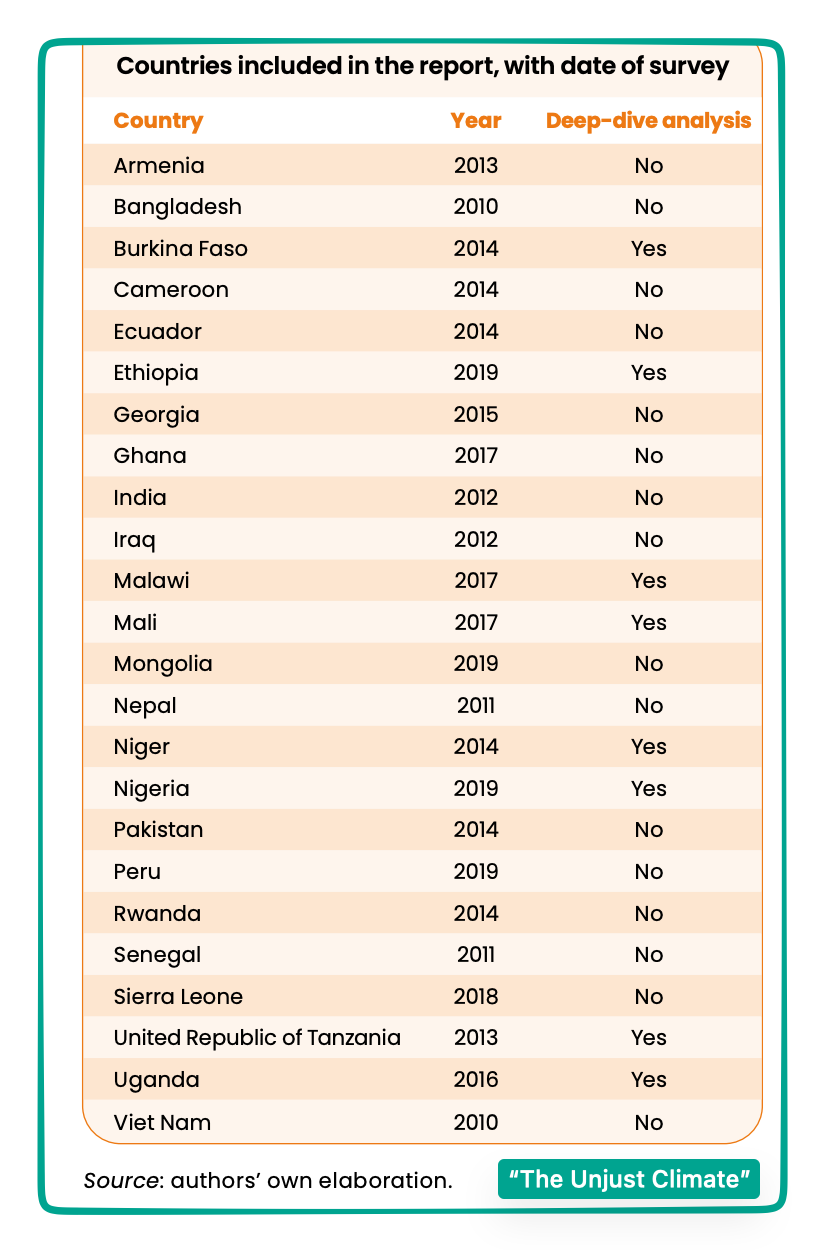
Why Global Warming is Worse For Women
In just two minutes, you can start to see why global warming is worse for women:
The FAO report also told us that female-headed rural households lose an average of 8% more of their income during heat waves and 3% more during floods than their male counterparts.
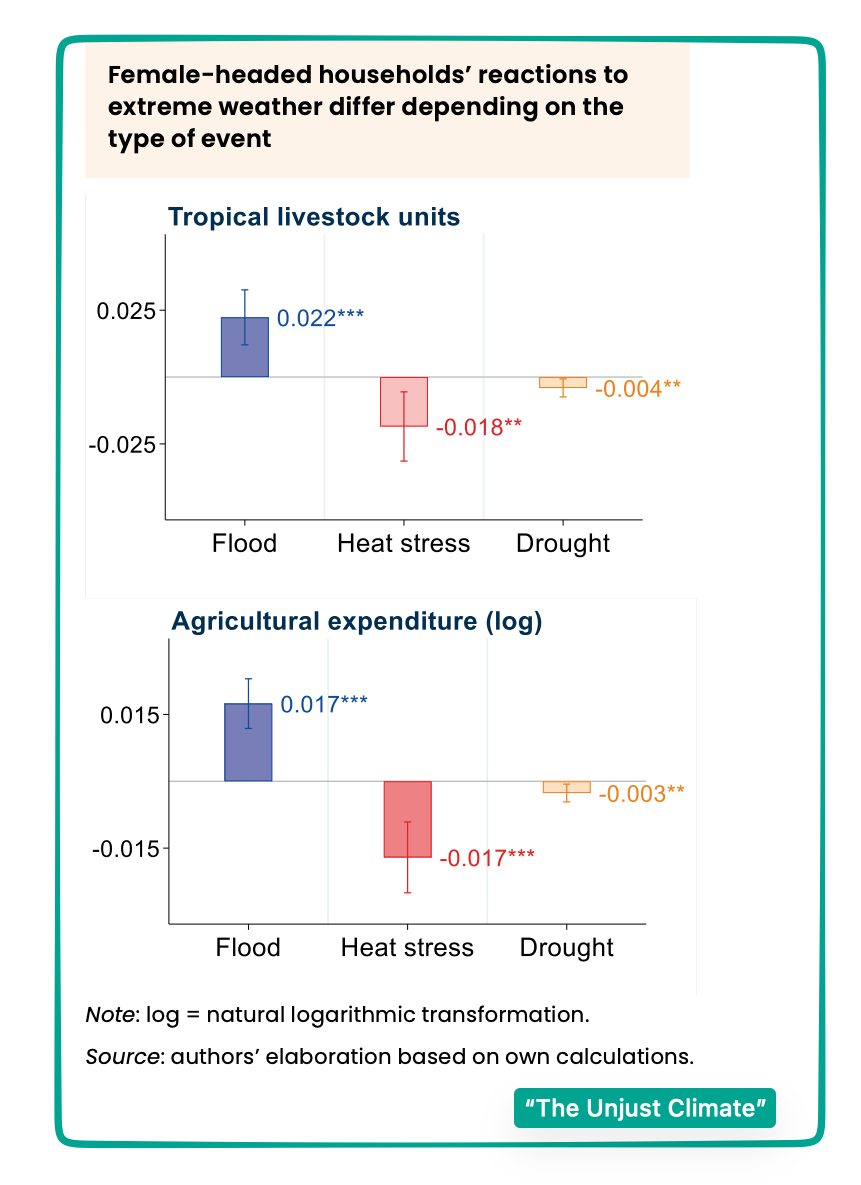
When we look at female-headed rural households, we see women reacting differently from men:
During a Climate Question podcast, Mary Robinson, former UN Human Rights Commissioner, explained why women, more than men, bear the global warming burden. Speaking generally, she cited the additional pressure created by extreme weather events. As a result, women experience an increase in domestic violence and more child marriages. In addition, coping with an uptick in poverty, they have longer work hours. Adhering to social norms, their household and childcare responsibilities remain constant even when they respond to extreme weather.
Extreme Weather Geography
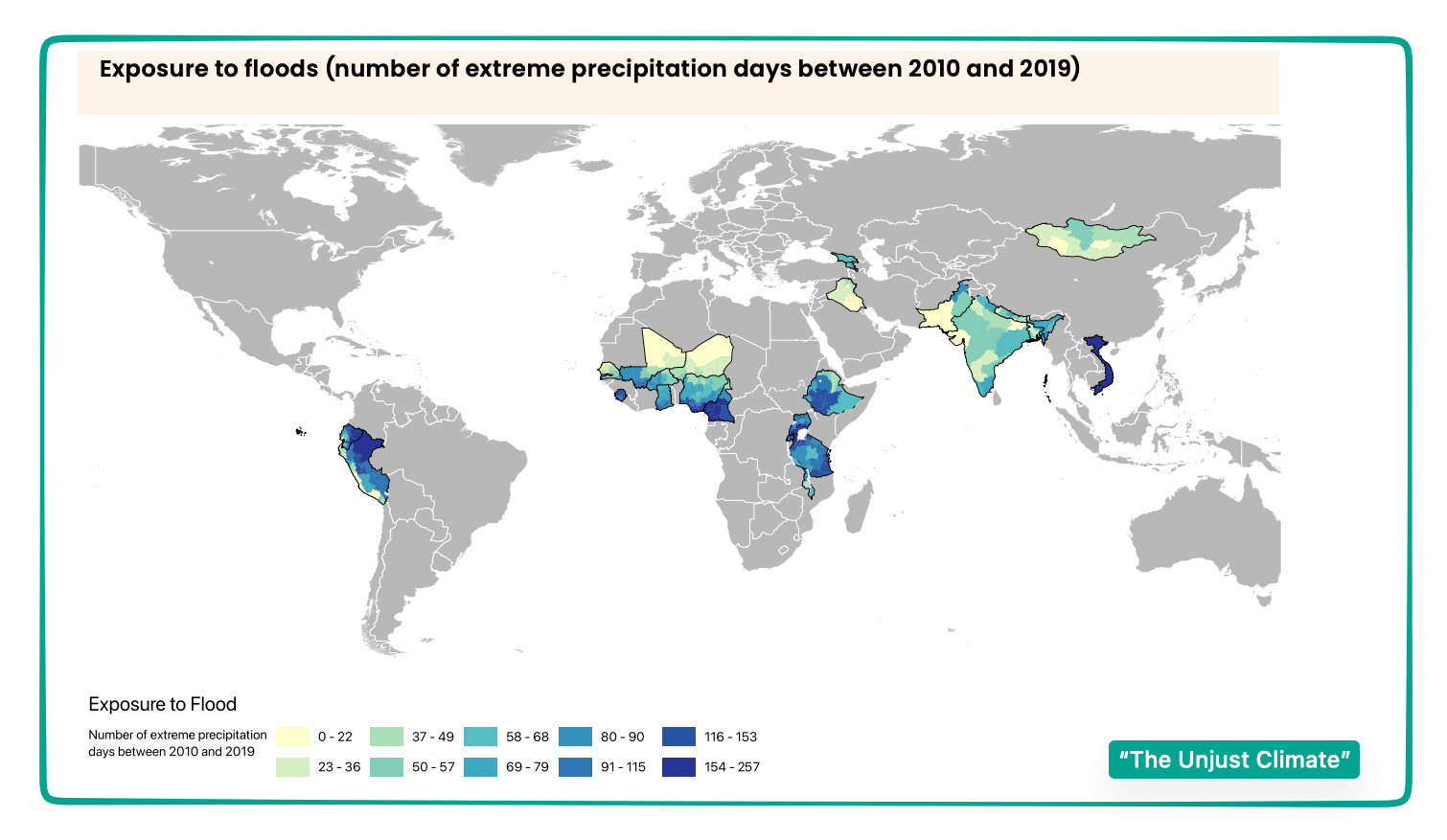
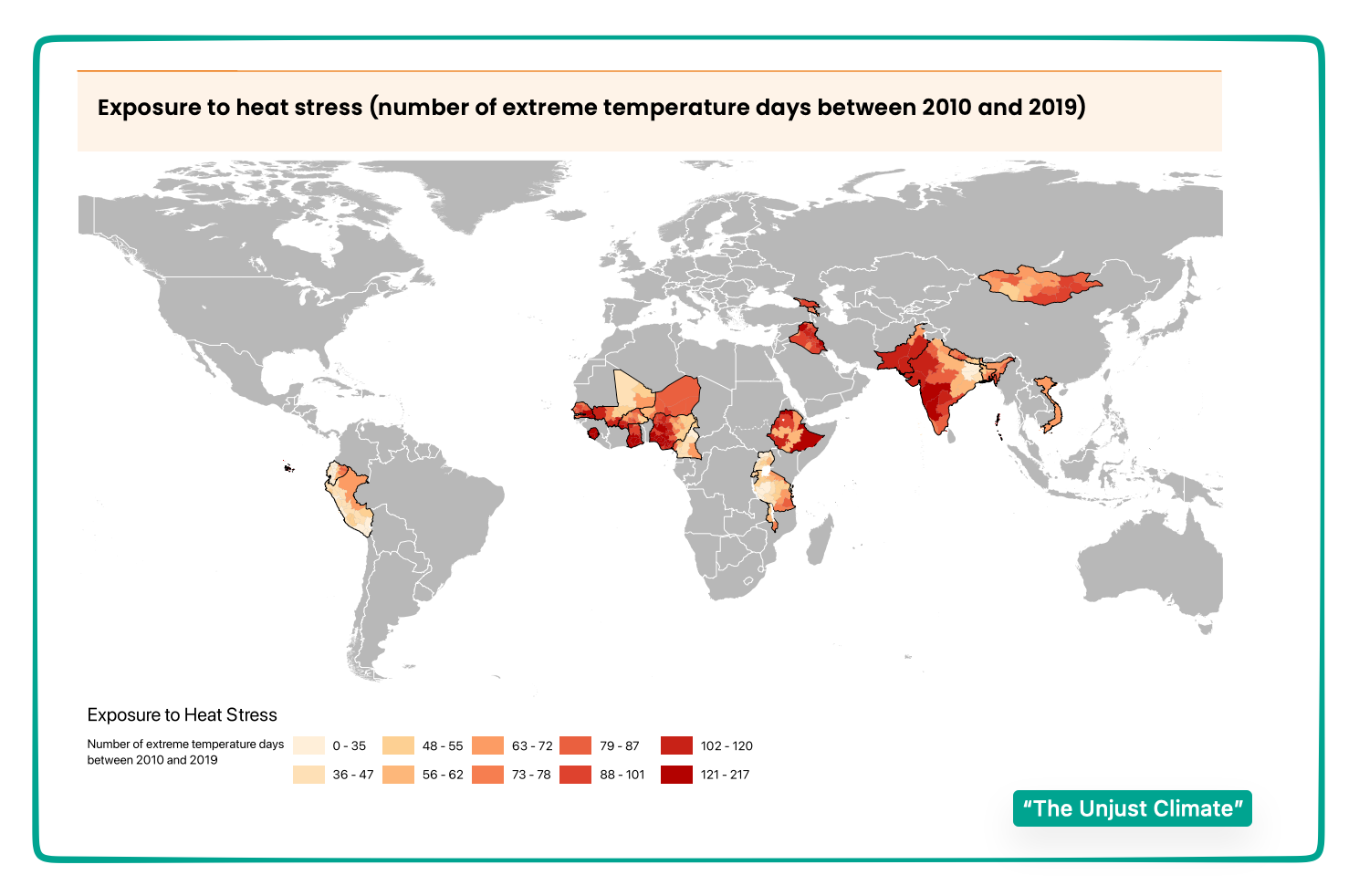
2.9 billion women and girls live in regions highly exposed to climate change. Among the 24 countries in their report, the FAO showed us where.
Floods
Precipitation becomes extreme when it exceeds the 95th percentile of daily precipitation:
Heat
Heat stress takes us beyond the 99th percentile of daily temperatures:
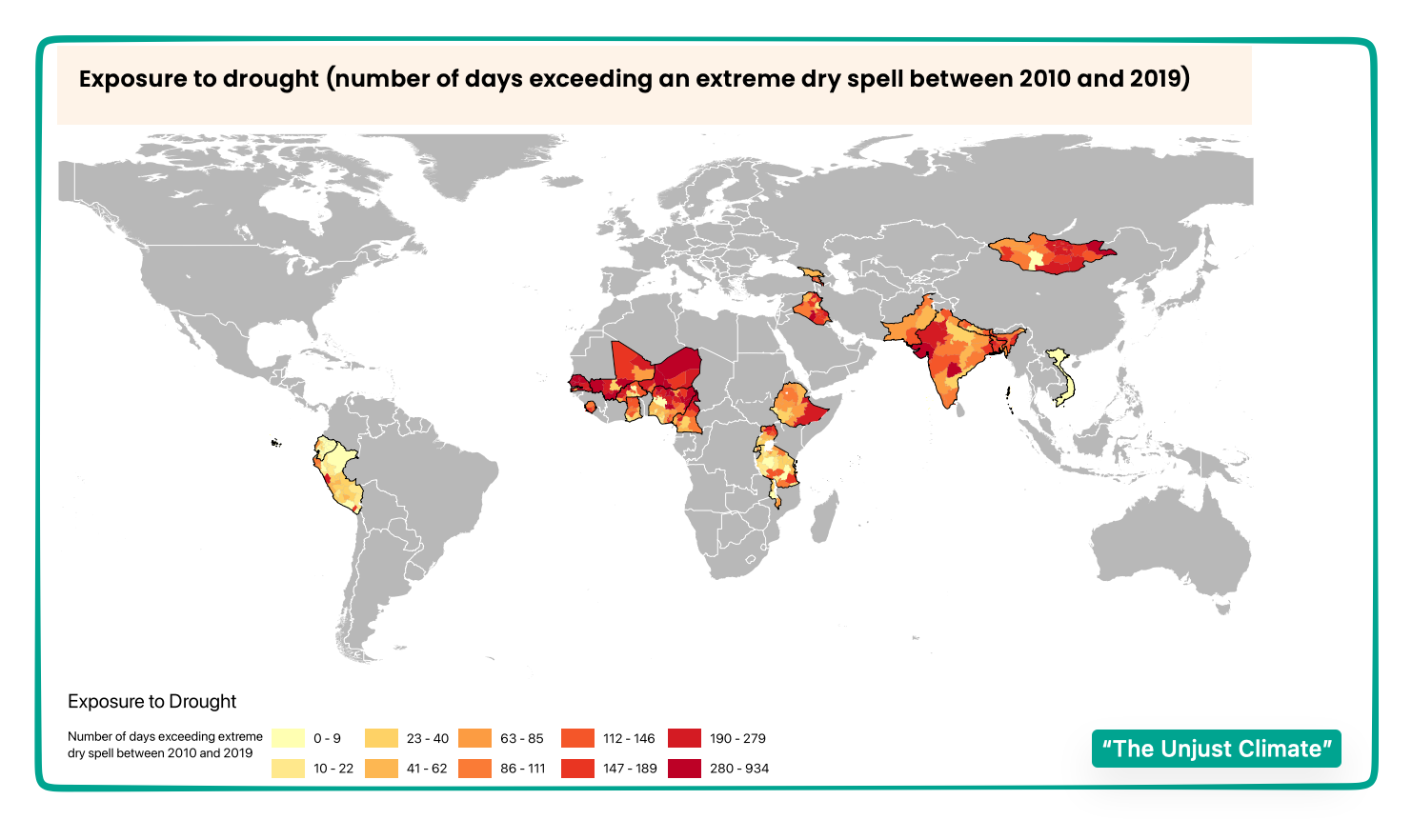
Drought
As for drought, it’s an event that extends the 95th percentile of consecutive dry days:
Climate Change
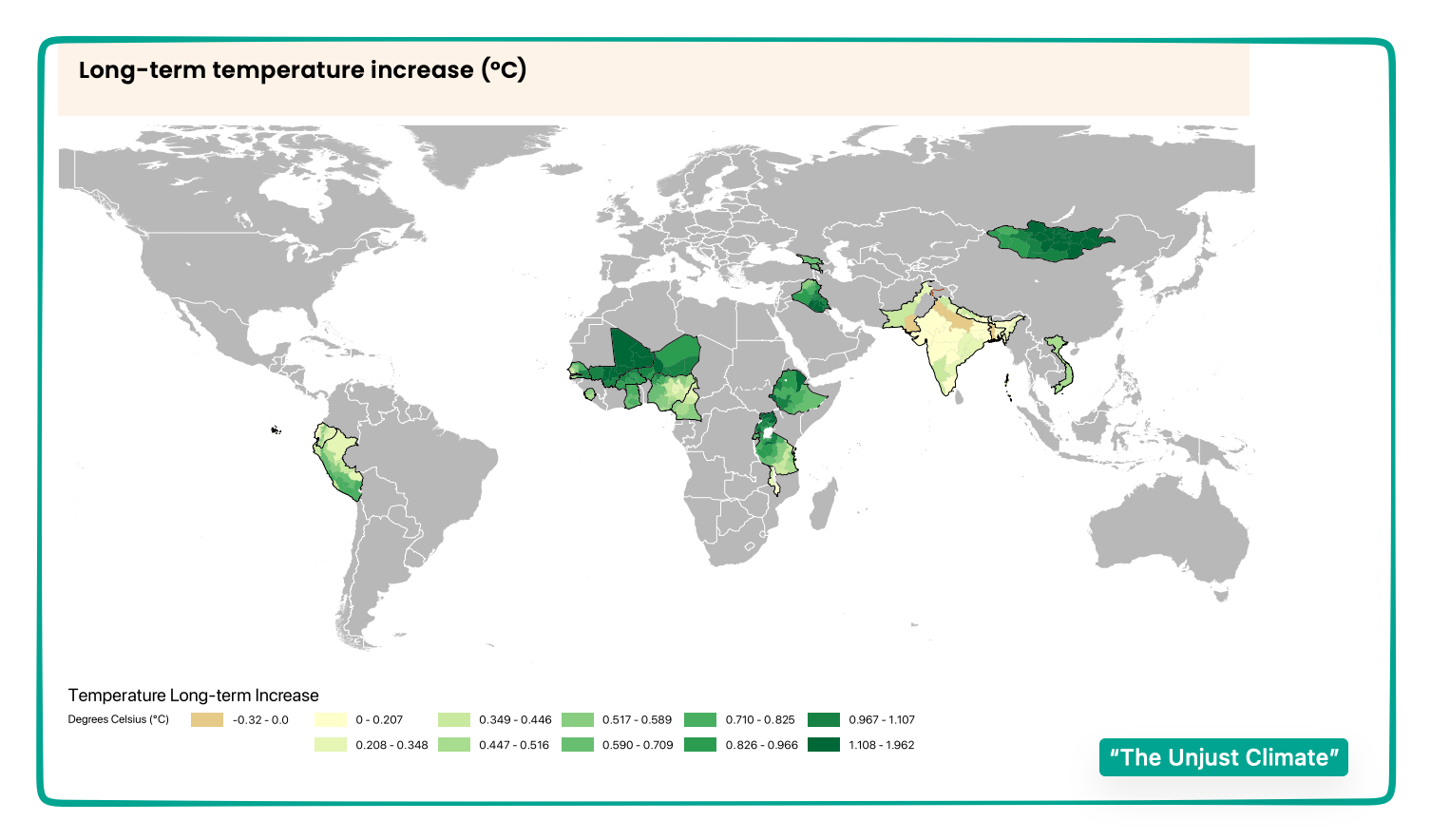
And finally, climate change is temperature focused, with a long-term change in average temperatures:
Our Bottom Line: Inequality
Disasters tend to exacerbate existing inequalities. As a result, whether it is drought or flooding or an extreme weather event, women with more household obligations have less flexibility. Even among the more affluent, older individuals are affected more severely.
As a result, the UN projects that 16 million more females than males will be pushed into poverty by 2050.
My sources and more: Yesterday, listening to the BBC’s Climate Question, and then reading the Gender Snapshot 2026, I learned more about climate’s gender inequality. But, most of all, I recommend the 2024 FAO Report.
Please note that several sentences from today were in a past econlife post.