![econlifelogotrademarkedwebsitelogo[1]](/wp-content/uploads/2024/05/econlifelogotrademarkedwebsitelogo1.png#100878)


The Invisible War Against the Banana
October 14, 2026
Tracing the coast of Great Britain, we’ve seen that the closer you look, the more you see:

So too with socialism.
Defining socialism
Shown by a Gallup poll during August 2026, many of us increasingly agree with socialism:
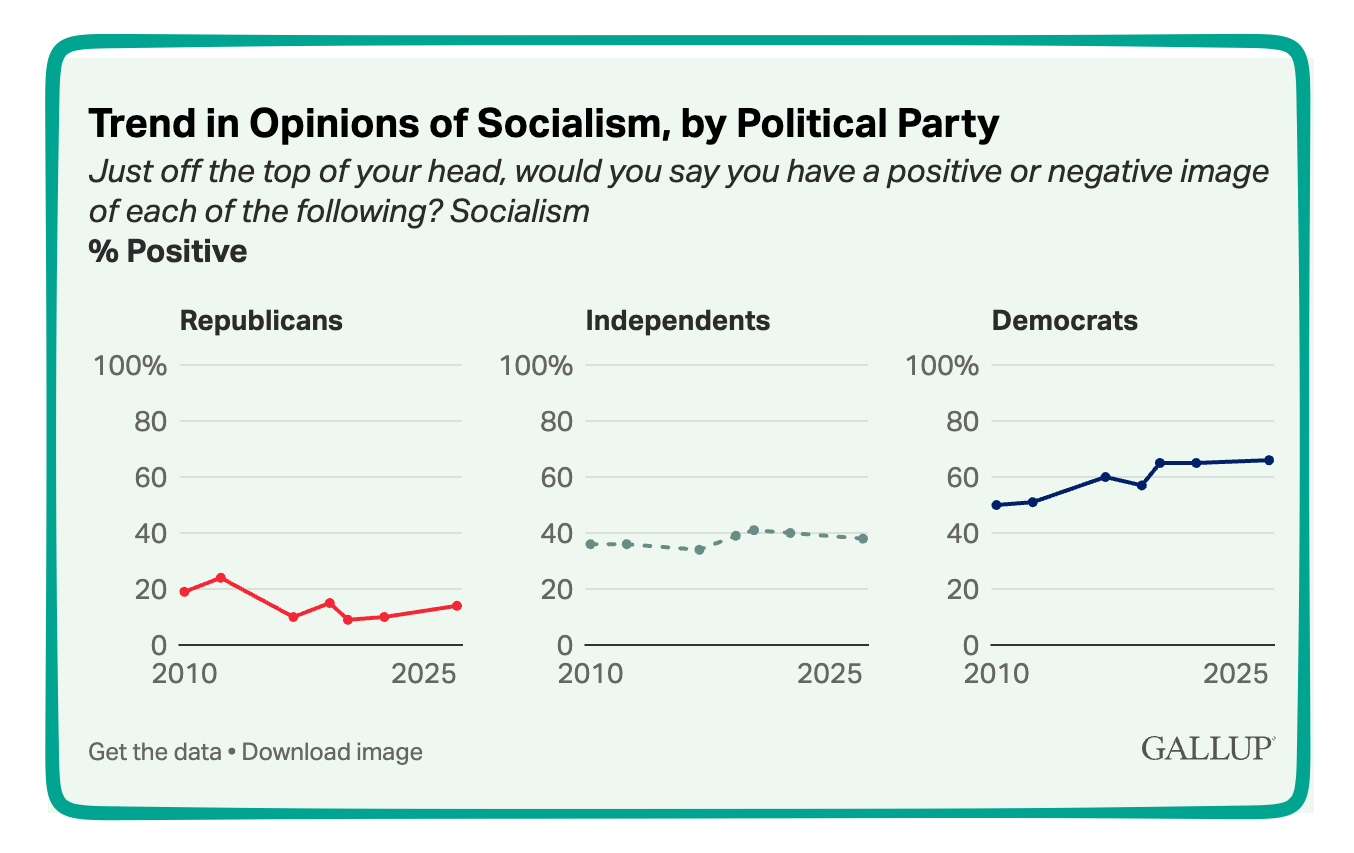
The problem, though, is whether Gallup confirmed that survey participants shared a common definition of socialism. I could find no indication that they did.
As a top-down system for producing and distributing goods and services, socialism takes us to central planning. Because a socialist government controls a country’s factors of production–its land, labor, and capital–the government produces and distributes the goods and services that people want and need.
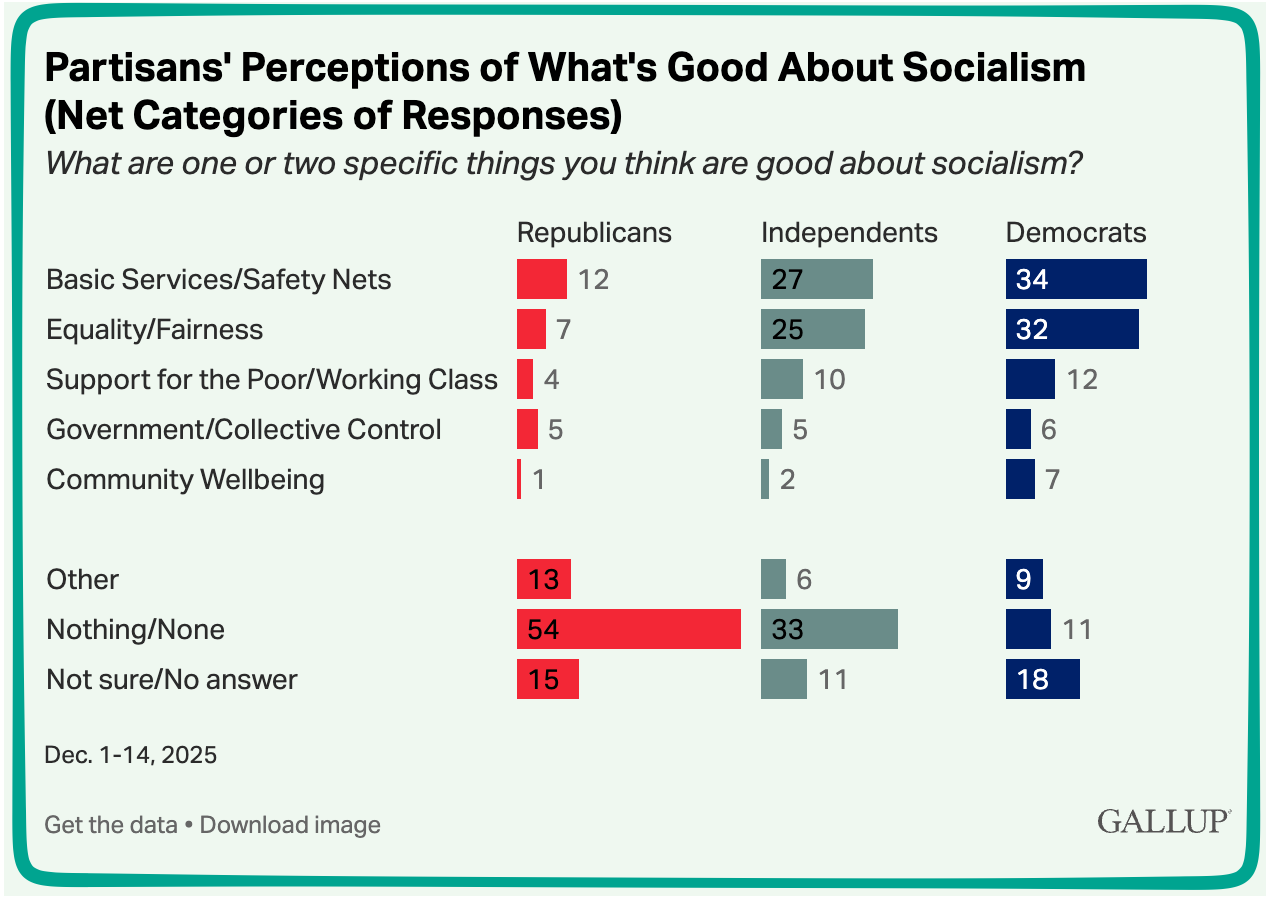
However, asked about socialism, most people respond that it ends poverty, promotes equality, and provides basic services. They did not like the role that government occupied:
Correspondingly, according to a Fraser Institute 2022 study with 4,037 participants from Australia, Canada, the U.S., and U.K., socialism would improve well-being:
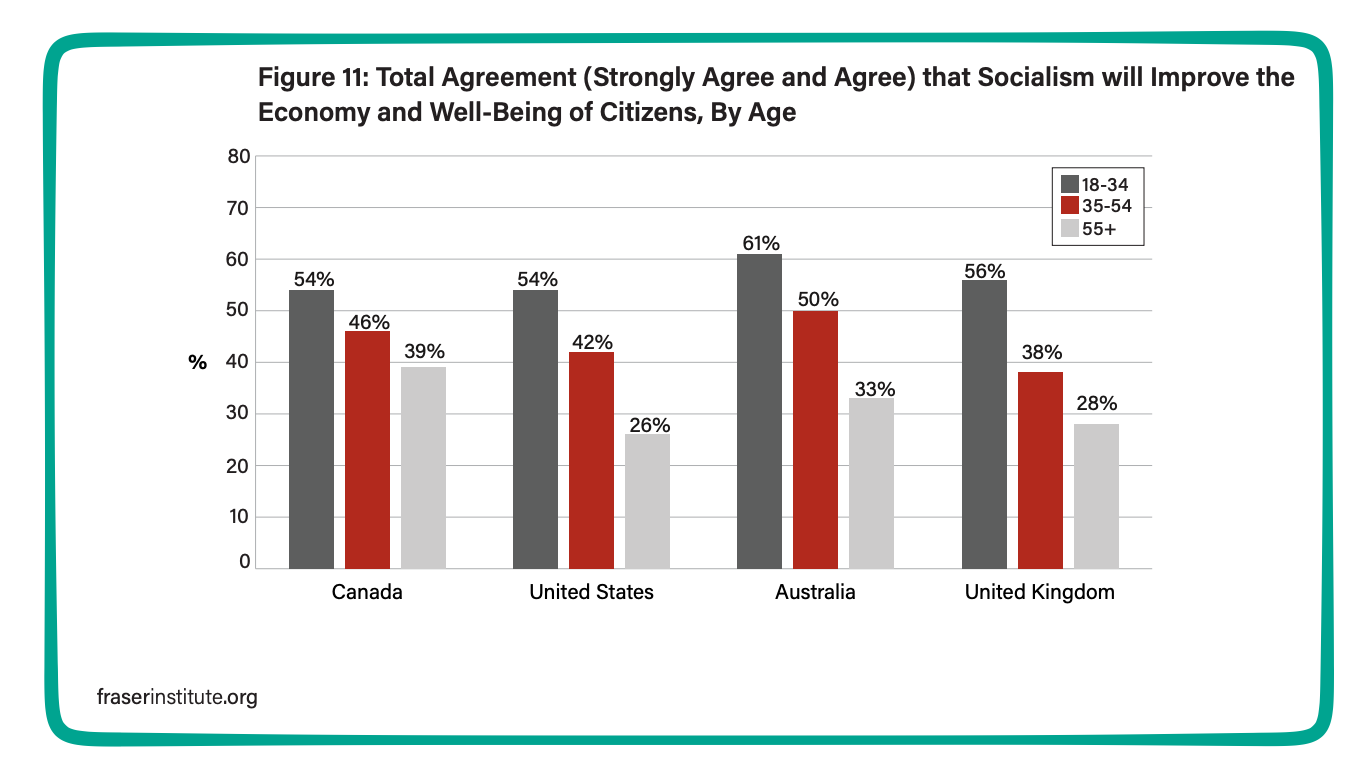
Furthermore, expressing support for a new wealth tax on the top 1% and, as a second alternative, raising the tax obligation of the top 10%, most of us do not want to pay for socialism:
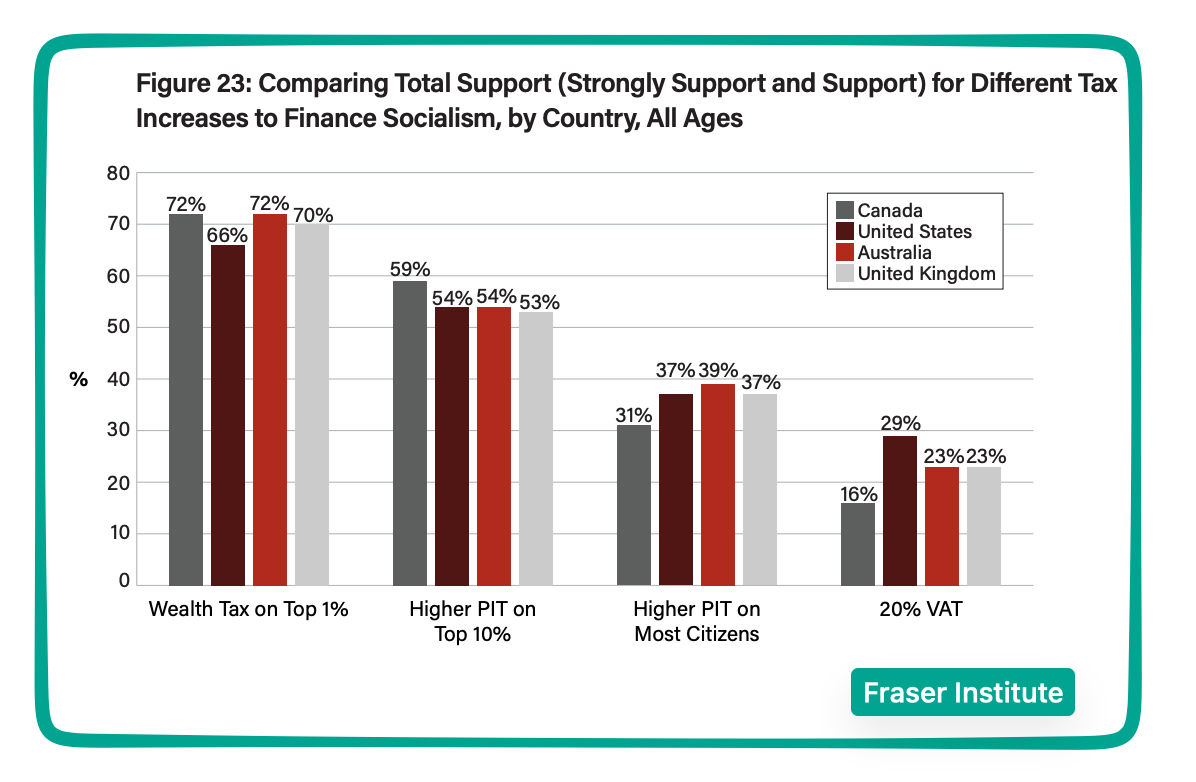
I suspect we have a contradiction. Socialism’s most fervent advocates like the basic services and safety nets it provides. However, they dislike the government that accomplishes it.
Our Bottom Line: Economic Systems
As economists, we can conclude with the menu of economic systems that includes socialism.
Three Economic Systems
Economists like to tell us that there are three basic systems for producing and distributing our goods and services. In traditional economies, the past determines the future because children tend to select their parents’ roles and occupations. A second possibility, functioning from the top-down, we have command. Then, central planning from one person or group determines how we answer the basic economic questions: “what, how, and to whom.” With government’s decision-making power over land, labor, and capital, a purely socialist system would be classified as a command system.
Shown below as capitalism and free enterprise, the third alternative is the market. A bottom-up system, the market is a process through which the interaction of countless businesses and consumers creates goods and services:
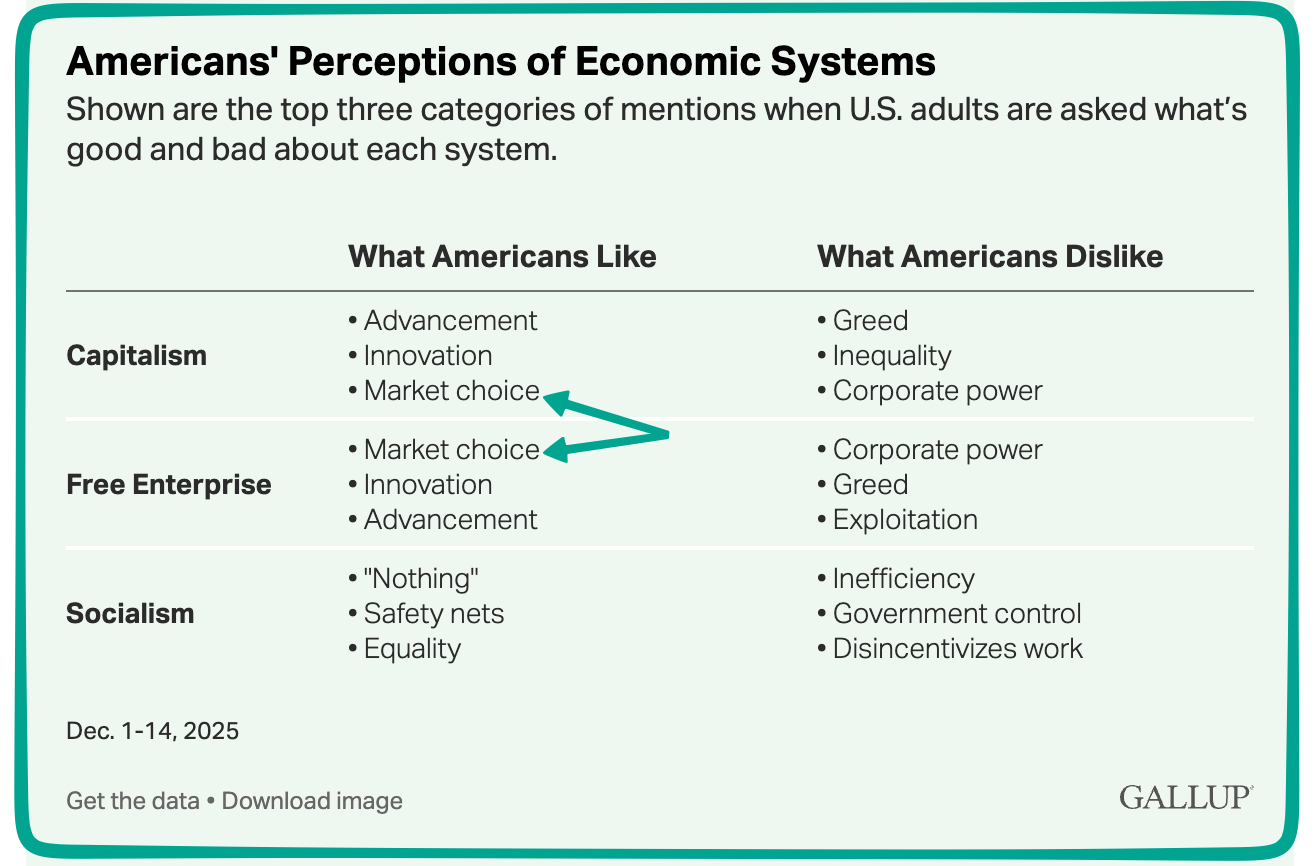
Rather than three separate systems, in many ways, we combine them. Already, we have combined socialism with the market.
My sources and more: The media’s attention to socialism inspired today’s post. From there, it was enlightening to see the results of a recent Gallup survey. But this report and website with case studies from four countries (though biased) had much more.