When Is AI Like the Steam Engine?
October 26, 2026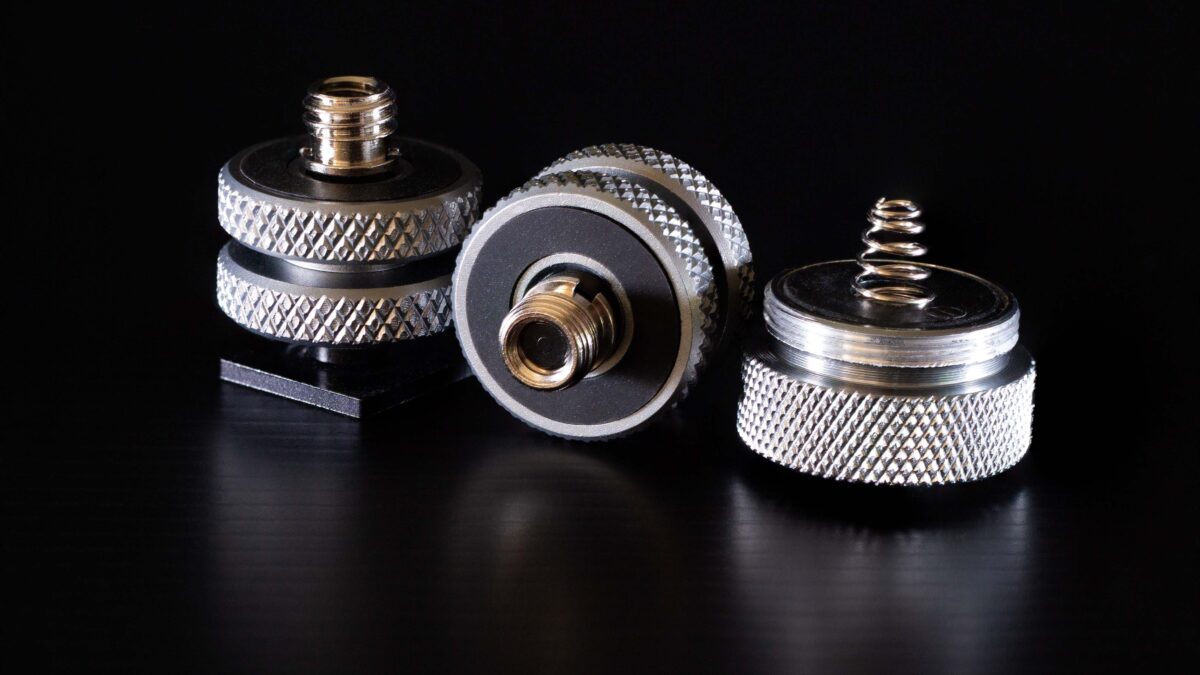
I just got a note from my carmaker that a defective starter button should be replaced. At other times, I’ve needed new brakes, and once, I had to order a new fender. At home, we have had dishwashers break and light switches that won’t work.
To repair all of these devices, I needed spare parts.
Producing Spare Parts
In the Former Soviet Union
In the former Soviet Union, before its 1991 collapse, finding spare parts was virtually impossible. Seamstresses stopped work when they found no sewing machine fastener screws to replace the broken ones. By stripping new vehicles, car companies obtained the parts they needed. As a result, whether it was refrigerators or washing machines, saws, or drills, most devices had an early demise and a dysfunctional existence when a repair would have lengthened their life.
As a command economy that allocated its best land, labor, and capital to the military and a space program, the former Soviet Union had little left for the consumer. Finished goods came from the remaining land, labor, and capital, not spare parts.
In the United States
Meanwhile, over in the United States, spare parts gave life to a dying car company. Our story begins with Henrik Fisker. An auto designer who had worked at BMW and then Aston Martin, Henrik Fisker left corporate to make his own Fiskers. At first we had Fisker’s custom vehicle through his coachbuilt company and then in 2011, the Fisker Karma. Described as a “…sleek four-door GT bodywork covering a pair of 120kW/479Nm electric motors combined with a 2-litre Ford Ecotec turbo,” the car was ahead of its time. Sadly, its launch was cut short by a 2012 battery recall. Then, starting again, Fisker launched the Ocean. And again, by 2024, it entered bankruptcy.
But here, because of spare parts, we have a happy ending. When the Ocean could have disappeared, the American Lease company bought close to 3,000 Ocean EV SUVs at a vastly discounted $13,000 apiece.
The Fisker Ocean:
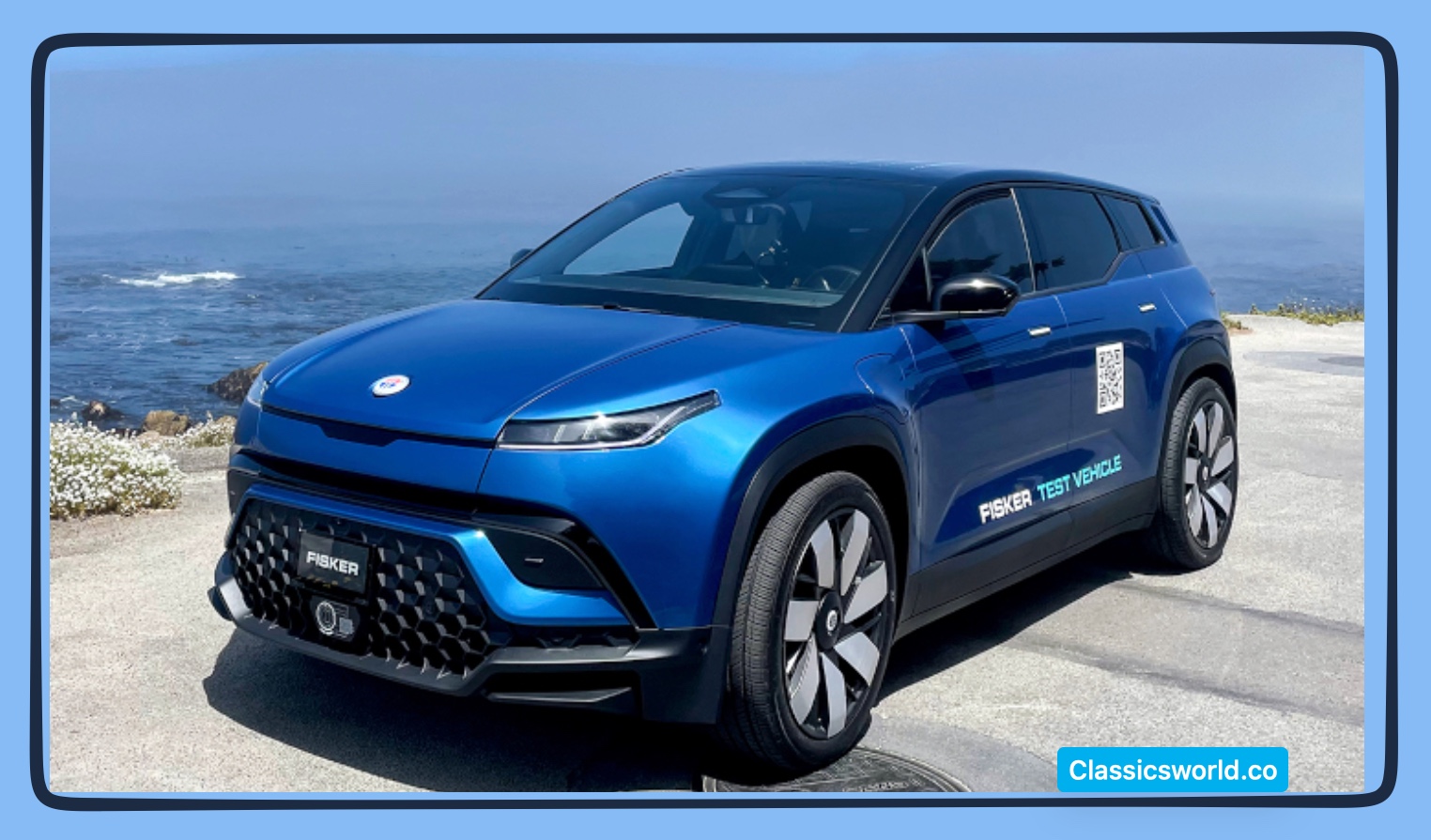
According to their business plan, American Lease rents them to ride-hailing and for-hire drivers for $399 a week. While the vehicles were ideally suited to meeting NYC’s 2030 emissions and disabilities access rules for Uber and Lyft drivers, they still needed to be serviced.
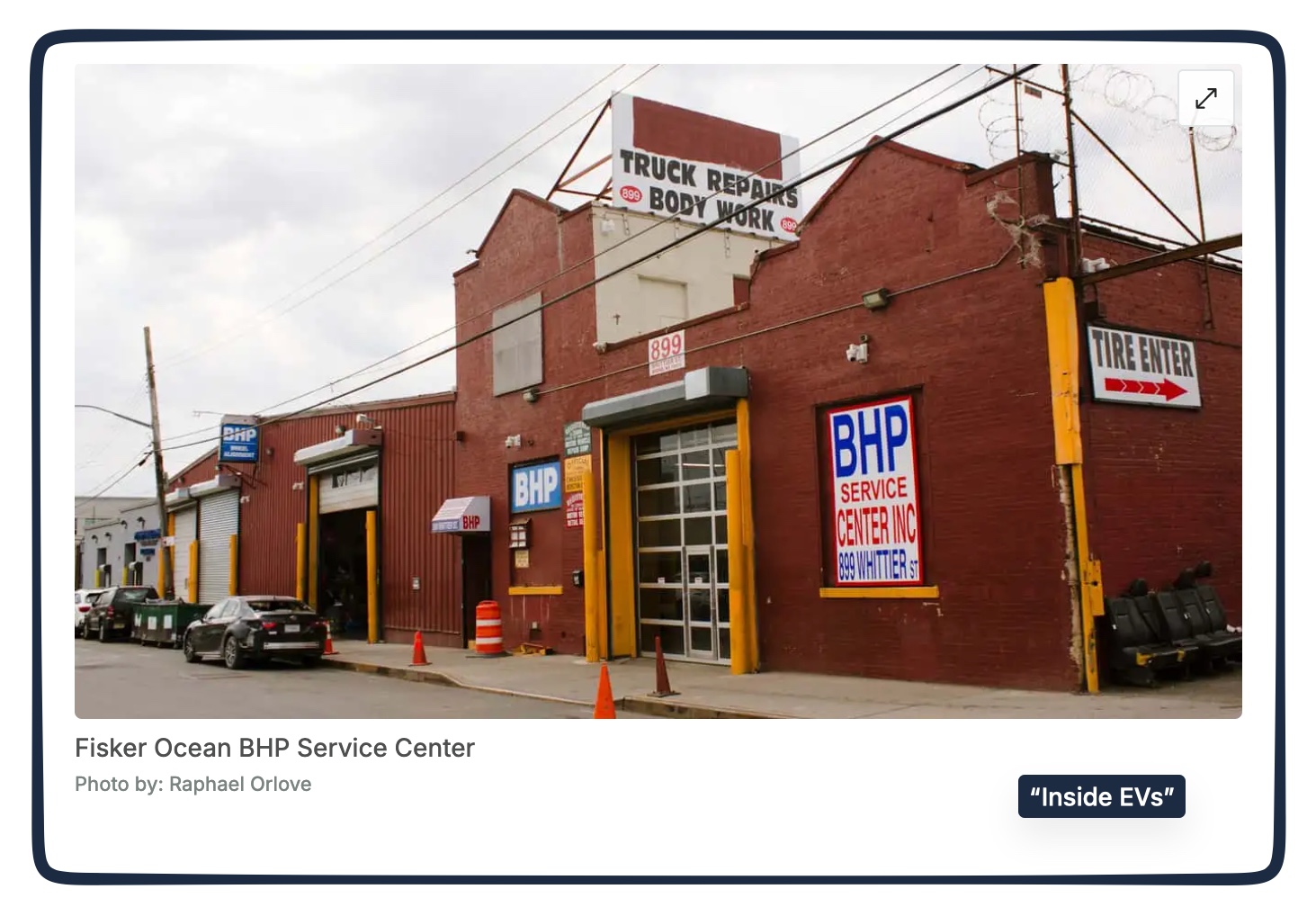
Here, the BHP Service Center in the Bronx, New York, enters the story. Gathering damaged Fisker vehicles for their spare parts, acquiring Fisker’s remaining inventory of replacement parts, and also manufacturing Fisker spare parts from molds of assorted body parts like fenders and panels, they prepared a Fisker service facility:
Our Bottom Line: Economic Systems
And that is why, In NYC yesterday, I saw a Fisker Ocean.
I saw the Ocean because in a market system, one person identifies a need for spare parts and satisfies it. In a command economy, the planning committees would not.
My sources and more: I thank Todd for inspiring today’s post when, in NYC, he introduced me to the Fisker Ocean. From there, happily, two stories come together because the end of the Fisker saga related to the Soviet Union spare parts case study we had just discussed in class. Then, my research began with this Fisker history, an Inside EV article (the best I read), and this Bloomberg CityLab article. (gated). And finally, for a more detailed definition of the three basic economic systems, please take a look at this past econlife post.