![econlifelogotrademarkedwebsitelogo[1]](/wp-content/uploads/2024/05/econlifelogotrademarkedwebsitelogo1.png#100878)


What a Rolls-Royce Says About Conspicuous Consumption
October 13, 2026
A Central American banana farmer recently said he might switch to pineapples. He was probably reacting to the Iran War, Trump tariffs, and a banana fungus.
A 3-Front Banana War
The first banana battle could have begun on a farm in Guatemala. With the Iran War temporarily cutting off one-third of the world’s urea supply, farmers might have insufficiently fertilized their crop. The result could have been more disease and lower yield.
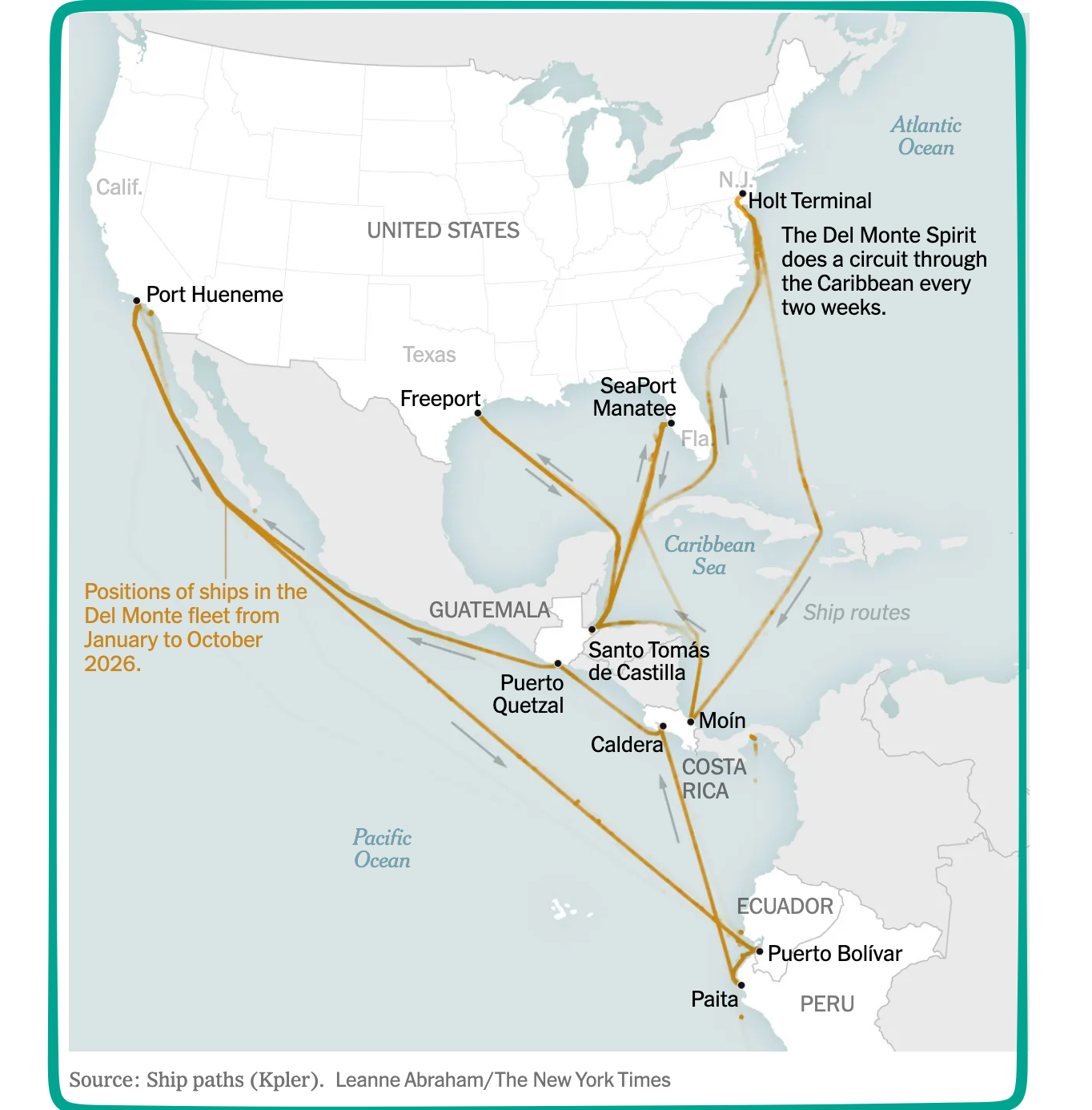
Next, traveling in refrigerated trucks to the Guatemalan coast, with diesel up 70%, the banana’s transport also was more expensive. And similarly, the gigantic container ship that brought the bananas to New Jersey burned huge amounts of more expensive fuel.
Then, at one New Jersey dock, affecting as many as 300,000 boxes of bananas a week, the Trump tariffs might have hit. Averaging 10%, the Trump tariffs that were levied during April 2025, had an 8-month court-shortened life. However, the July 2026 response to the Supreme Court tariff decision created new tariffs that again affected selected growers. Paid by the importers, it is possible that they passed along the tariff expense to a retailer. They also could have been hit when President Trump withdrew 30,000 commercial trucking licenses.
Your banana might have traveled 2500 miles:
And lurking in the background, we still had the threat of a blight that was spreading. Wiping out farms, Panama Disease has spread from one banana region to the next. Fighting on the other two fronts limits the battle against the disease.
It also limits the impact of comparative advantage.
Our Bottom Line: Comparative Advantage
While the war against the banana is somewhat invisible, so too is one of its casualties. According to David Ricardo’s (1772-1823) law of comparative advantage, when each nation produces all that it sacrifices the least for, then the world becomes more productive. Florida would have to sacrifice oranges if it grew bananas and it might not be the optimal place. By contrast, Guatemala sacrifices a less desirable alternative to grow its bananas.
Consequently, Europe, Oceania, and North America grow relatively few bananas:

But the world has many more.
My sources and more: Thanks to the NY Times (and Cary) for reminding me we should return to bananas. You might also enjoy these past banana posts, here and here.