![econlifelogotrademarkedwebsitelogo[1]](/wp-content/uploads/2024/05/econlifelogotrademarkedwebsitelogo1.png#100878)


How Do Soaring Gas Prices Affect Us?
September 14, 2026
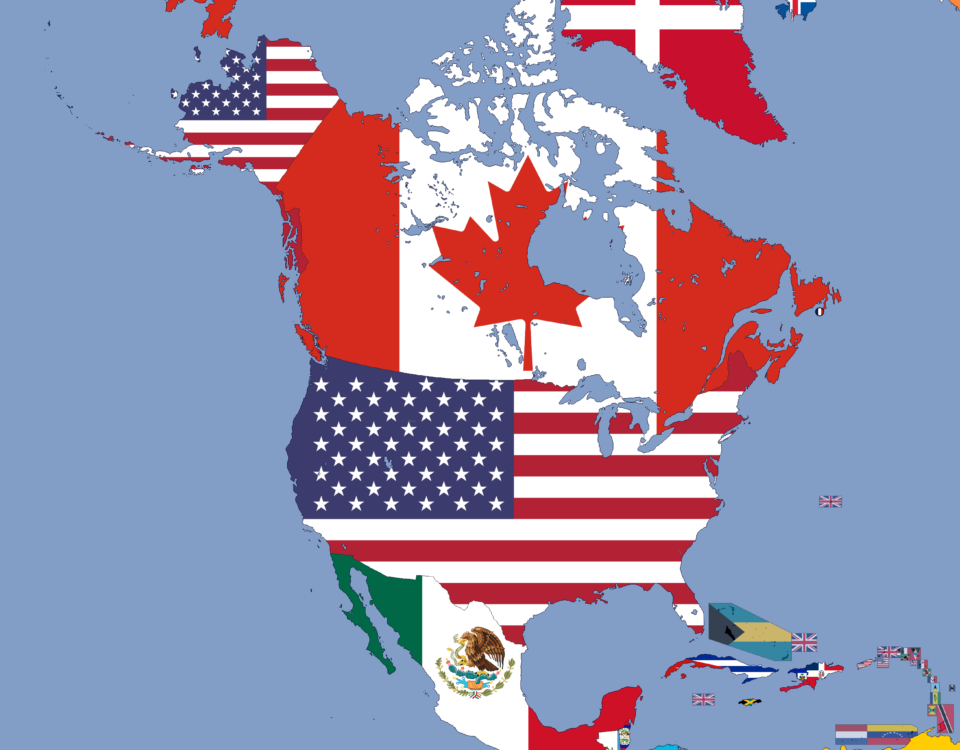
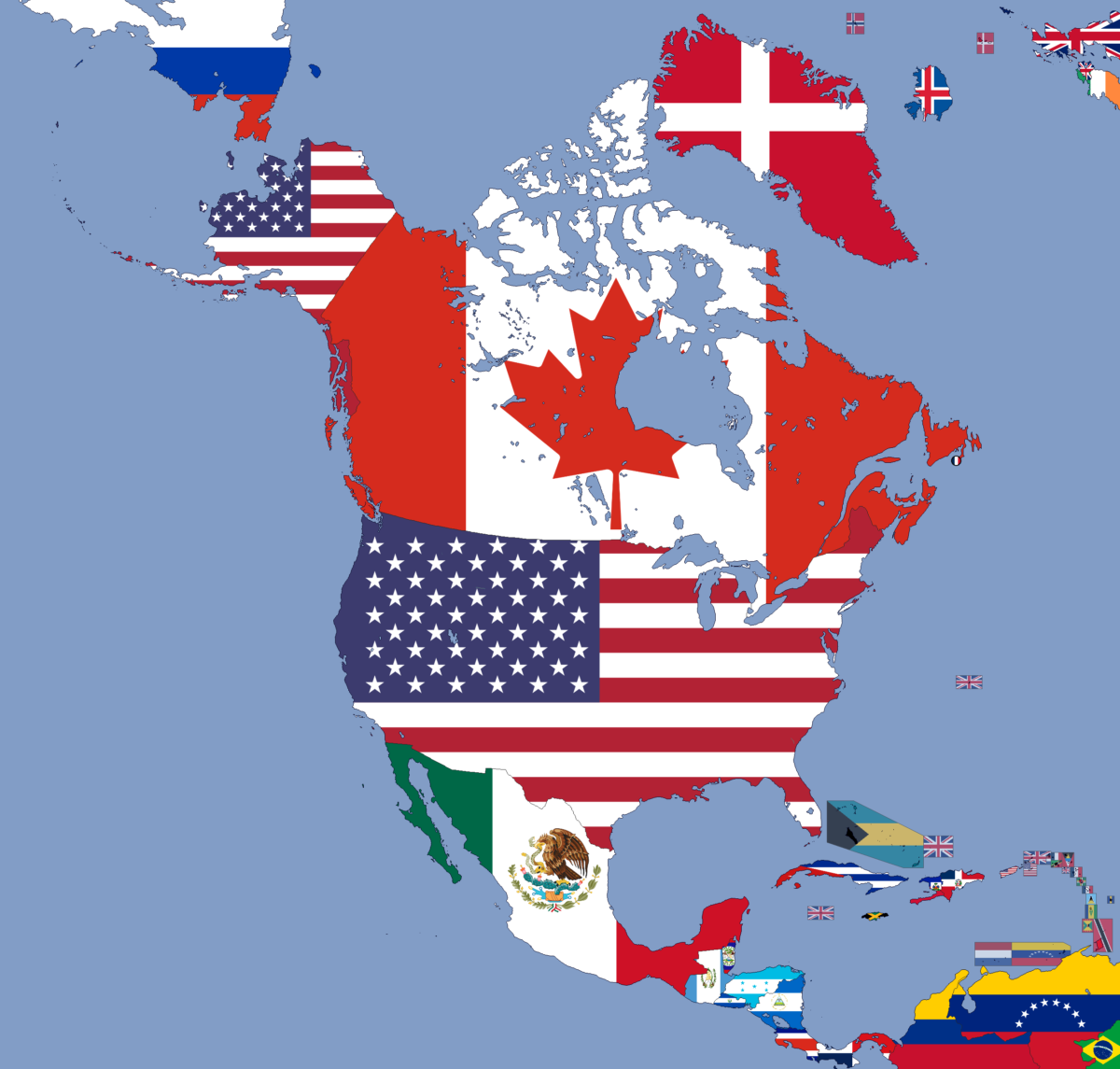
With the United States and Canada exchanging tariffs, we should take a look at the past, present, and future.
6 Facts: Trading With Canada
1. The 1965 U.S. Canada Auto Pact
We can start with an agreement that let cars and car parts freely travel between our countries, no duties. As a result, clusters of auto parts companies, located on each side of the border, started working together.
2. Next, we have NAFTA (the North American Free Trade Agreement) starting in 1994
As a result, the U.S., Canada and Mexico could create a duty-free region for many goods.
3. In 2018, Trump replaced NAFTA with USMCA that closely resembled NAFTA.
Canada called it CUSMA.
4. 2025 25 percent Fentanyl Tariffs
President Trump levies Canadian goods tariffs, saying they had to stop fentanyl from crossing their borders into the U.S. That was tough because there was almost none coming from Canada in the first place. But there was a loophole. USMCA compliant goods would not have a tariff.
5. 50 percent Tariffs
Now, in 2026, President Trump declares a 50 percent tariff on a long list of Canadian goods. Canada retaliates.
6. Ice Cream Sprinkles
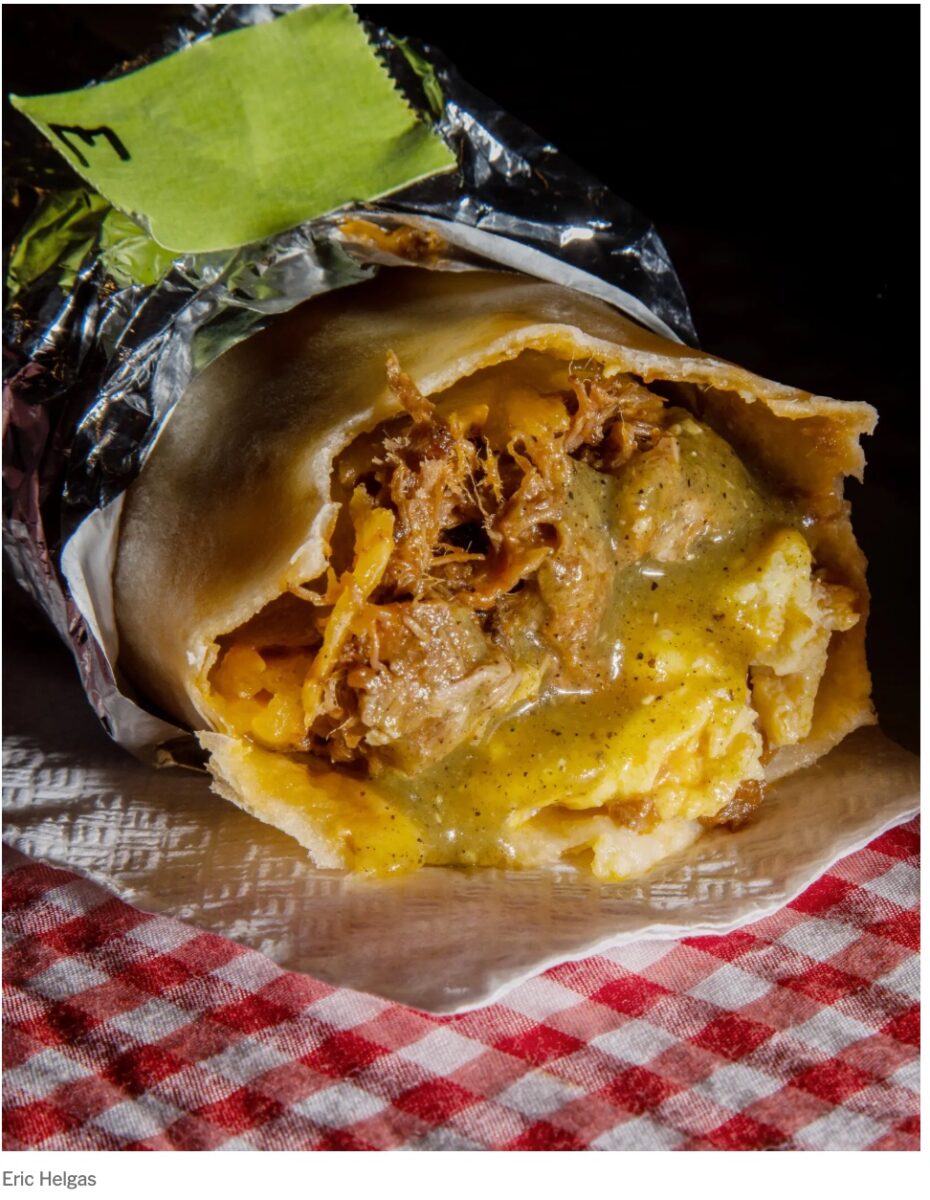
Countless small businesses like Toronto’s Sweetapolita worry that the new 50 percent tariffs affect them. If it did (and for now it does not), their customer in Santa Cruz, California would not get the sprinkles loved by his customers. Already they had been hit when packages valued at $800 and less were removed from the no tariff lists.
Our Bottom Line: Comparative Advantage
It all takes us back to David Ricardo (1772-1823) and the comparative advantage that says when countries produce items that require the least cost (sacrifice), then everyone becomes more productive.
My example in class explains why Taylor Swift should not mow her lawn although she could be very good at it. Instead, she should hire someone who might instead be preparing burgers at McDonald’s. As long as she pays him more than he would otherwise have earned, he sacrifices less to work for her. And she can spend her time writing the song that would have been her sacrifice.
Similarly, when countries like the U.S., Canada, and Mexico implement comparative advantage, then everyone is more productive.
And we get our sprinkles.
My sources and more: Thanks to University of Michigan economics Professor Justin Wolfers for inspiring today’s post through his Platypus Economics. Next, the NY Times became the perfect complement with its sprinkles article.