![econlifelogotrademarkedwebsitelogo[1]](/wp-content/uploads/2024/05/econlifelogotrademarkedwebsitelogo1.png#100878)


How Iced Chai Can Be Like New Coke
September 8, 2026
Where Do We Need More Babies?
September 10, 2026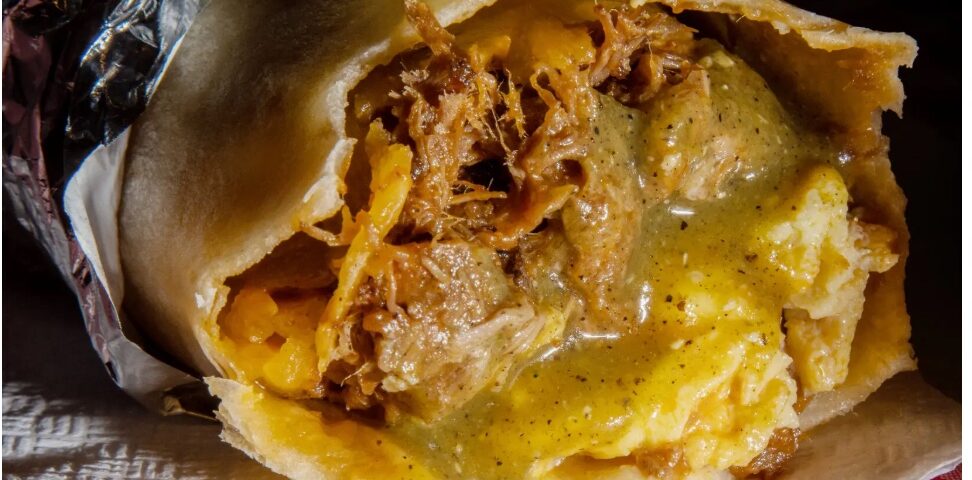
Recently, we’ve been reading about the $20 burrito. You can see, though, that it was an outlier.
It should have been the $13.67 burrito:
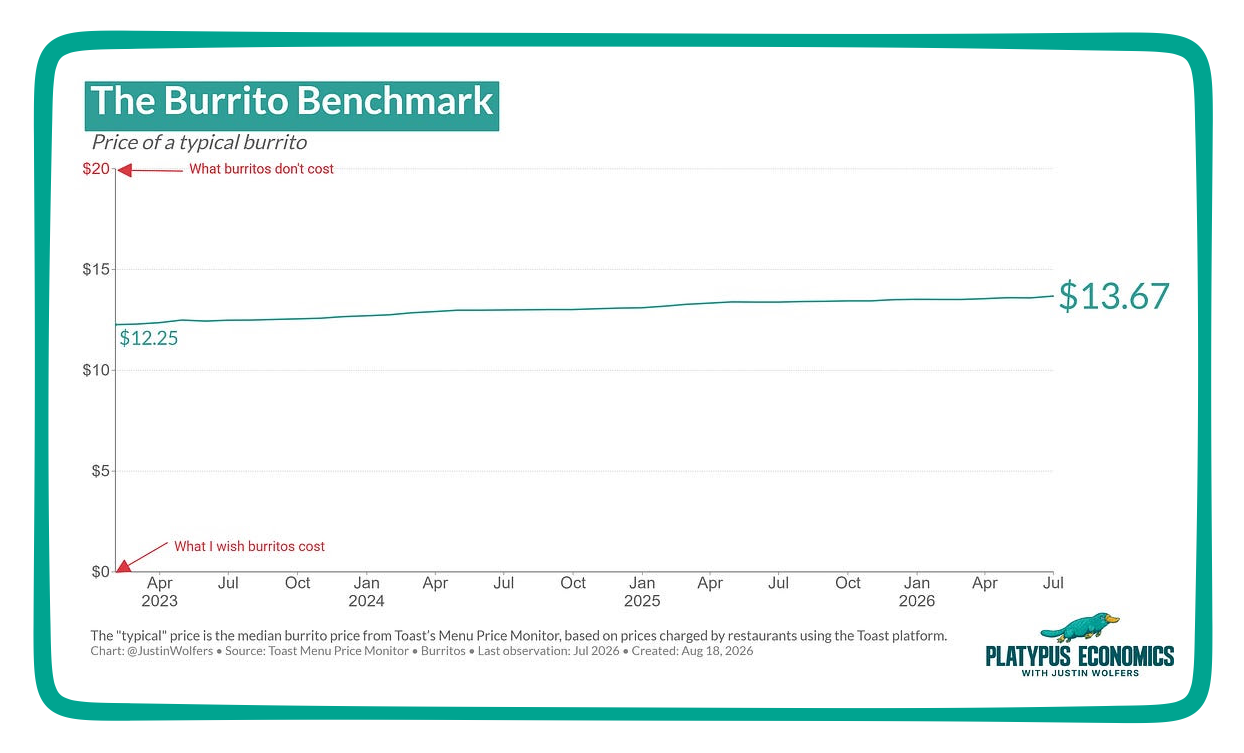
A $20 burrito was supposed to represent the affordability crisis.
More appropriately, it reflects the need for trade.
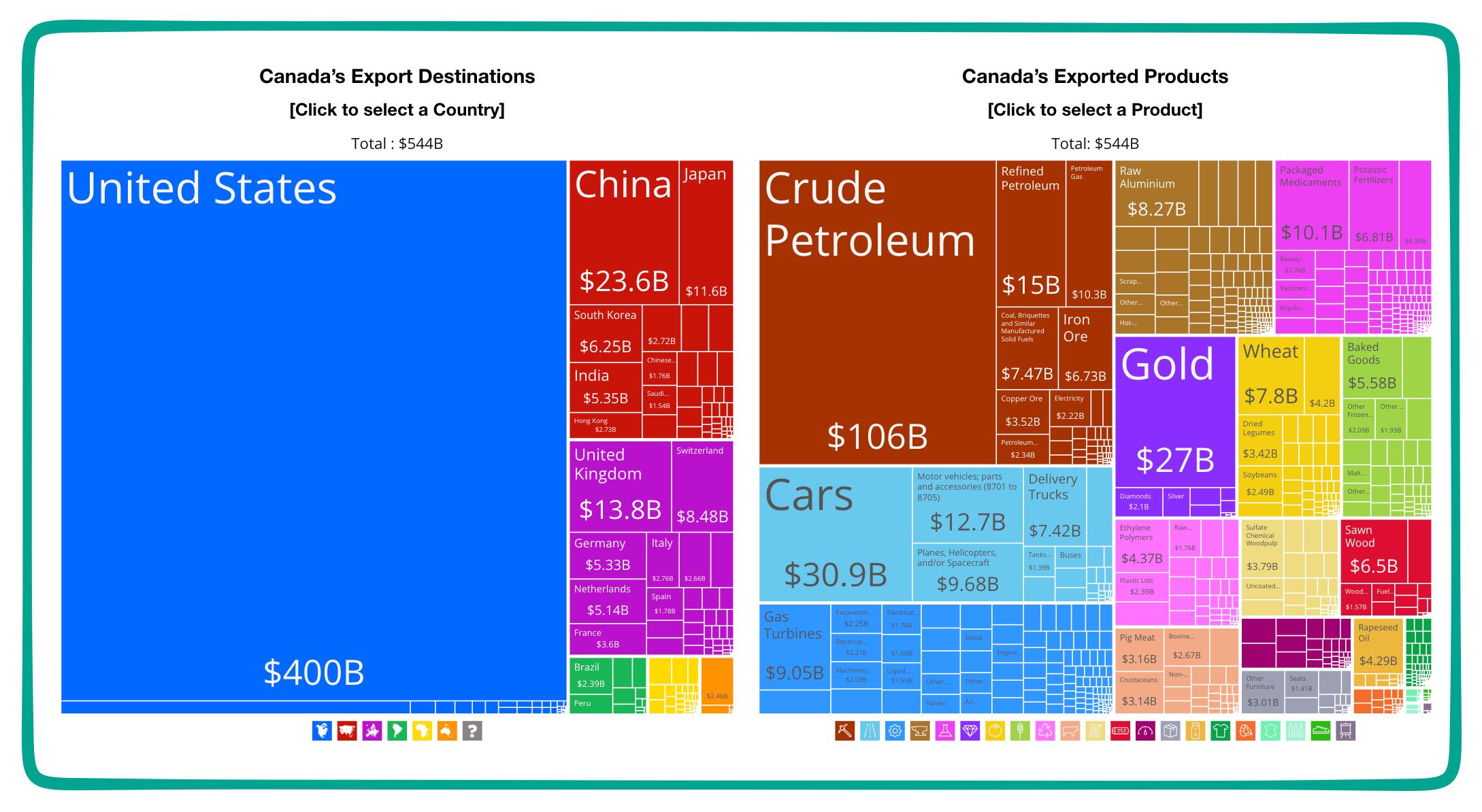
We can start with its aluminum tinfoil wrapper. Last year, Canada shipped close to $10 billion in aluminum products to the U.S. For our cars and cans, we need their aluminum. Canada is the natural place to make it because they have cheap electricity. When the U.S. tried, it didn’t work out. And yet we slapped a 50 percent tariff on their aluminum. Similarly, Mexico is one of the best places to grow tomatoes and avocados. As for a tariff, the tomatoes were taxed close to 17 percent. Meanwhile, if the beef in the burrito came from Australia. Brazil. or Argentina, it temporarily had a tariff. And, we have not even mentioned tariffed seasoning, the American cheese and sour cream, or the lettuce (that we should avoid for now).
At this point we can hear David Ricardo shouting from his grave that we should stop and pay attention to his explanation of comparative advantage.
Our Bottom Line: Comparative Advantage
The economist who first explained comparative advantage, David Ricardo (1772-1823), said each nation should make the goods and services for which it has the lower opportunity cost and import what it does not produce. Because of those (untariffed) imports, consumers would enjoy lower prices and more variety. Also benefiting, exporters have larger markets that support the efficiencies of economies of scale.
Canada’s exports and probably their comparative advantage (2018-2024) from the Observatory of Economic Complexity:
 Mexico’s exports and probably their comparative advantage (2018-2024):
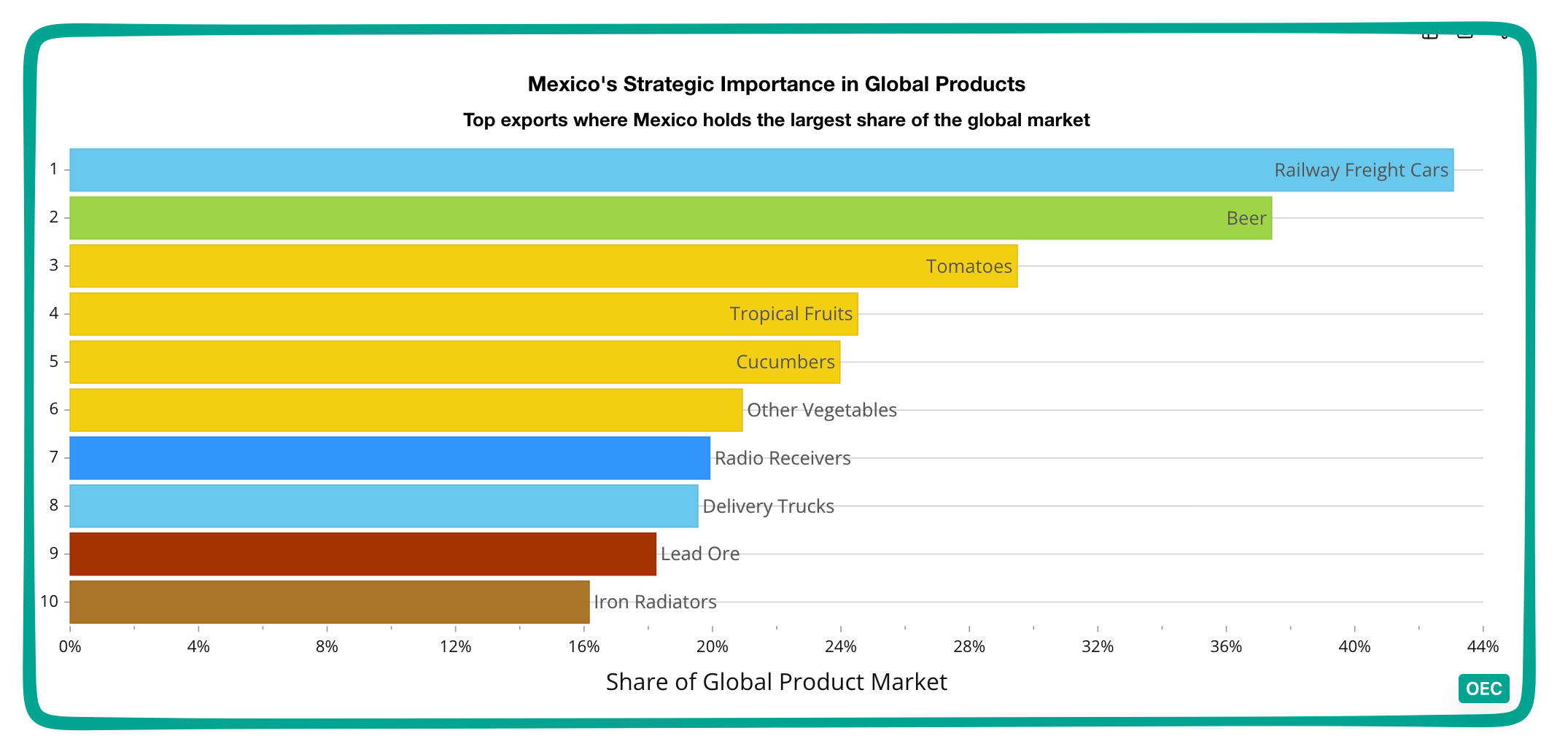
So, if asked, just say that comparative advantage is one way to avoid a $20 burrito.
My sources and more: Thanks to economist Justin Wolfers’s Platypus Economics for inspiring today’s post. From there, we looked at the NY Times, here, here, and here. We also checked the (always handy for stats) Observatory of Economic Complexity.
Please note that several of today’s sentences were in a past econlife post, and our featured image was from the NY Times.