![econlifelogotrademarkedwebsitelogo[1]](/wp-content/uploads/2024/05/econlifelogotrademarkedwebsitelogo1.png#100878)


6 Facts About Global Wealth
July 2, 2026
July 2026 Friday’s e-links: Learning About El Niño
July 3, 2026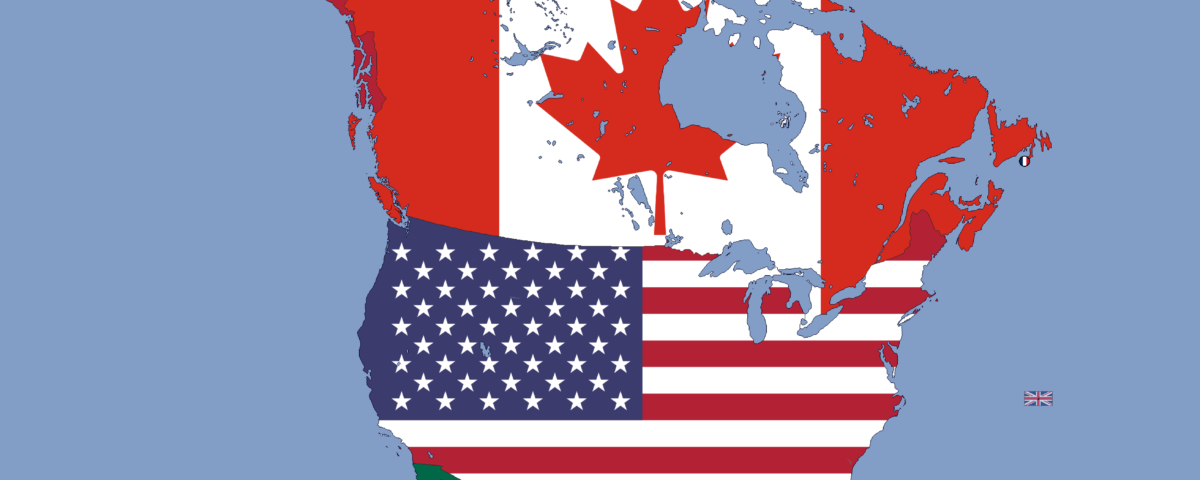
When he renegotiated NAFTA, President Trump called the new trade deal USMCA. Meanwhile Canada calls it CUSMA and in Mexico, it’s ACEUM. For all of us though, the agreement lets goods and service move freely among the three countries.
North American Free Trade
Displaying the travels of a piston, this graphic is an example of how its production is optimized:

Similarly, we can look at a car seat’s assembly to see how multiple locations cooperate:
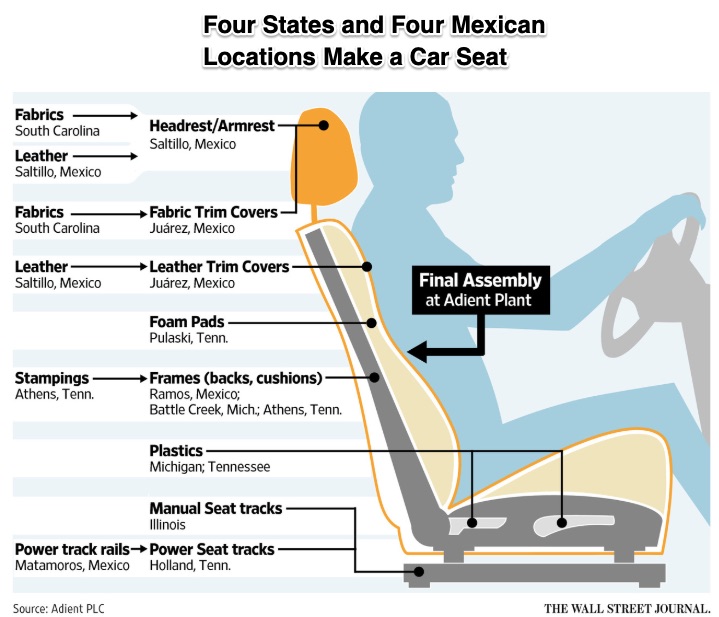
For the capacitor, we start with Asia and then see the path it follows through Colorado, Texas, Ontario, and Mexico before it winds up in the above car seat:

Our Bottom Line: Comparative Advantage
As the first economist to explain comparative advantage, David Ricardo (1772-1823) understood the synergies of trade. He told us that it does not matter if you are not the best at making something. To maximize productivity, you just should produce whatever requires the least sacrifice and then trade. If it’s 5 widgets or 10 gadgets with the same resources, then make those gadgets and export them to someone who can make widgets with fewer resources.
Here, the USMCA, CUSMA, and ACEUM enter the picture. A bigger market through which people, goods, and services move can more easily facilitate wealth creation. That bigger market–at $2 trillion annually–feeds the economies of scale, specialization, and comparative advantage that David Ricardo described. It is why the United States, Canada, and Mexico need each other for auto seats, pistons, and capacitors, and countless other goods and services.
It is why our free trade deals need to be preserved.
My sources and more: Thanks to WSJ for inspiring today’s post. Next, always handy for economists’ biographies and their ideas, econlib is perfect for reading more about David Ricardo and comparative advantage. Then, keeping the economics in mind, do go to WSJ’s transmission story. And finally, I suggest returning to our past car seat post.
Please note that several of today’s sentences were in a past econlife post.