How Airbnb Changed the Rules
October 25, 2026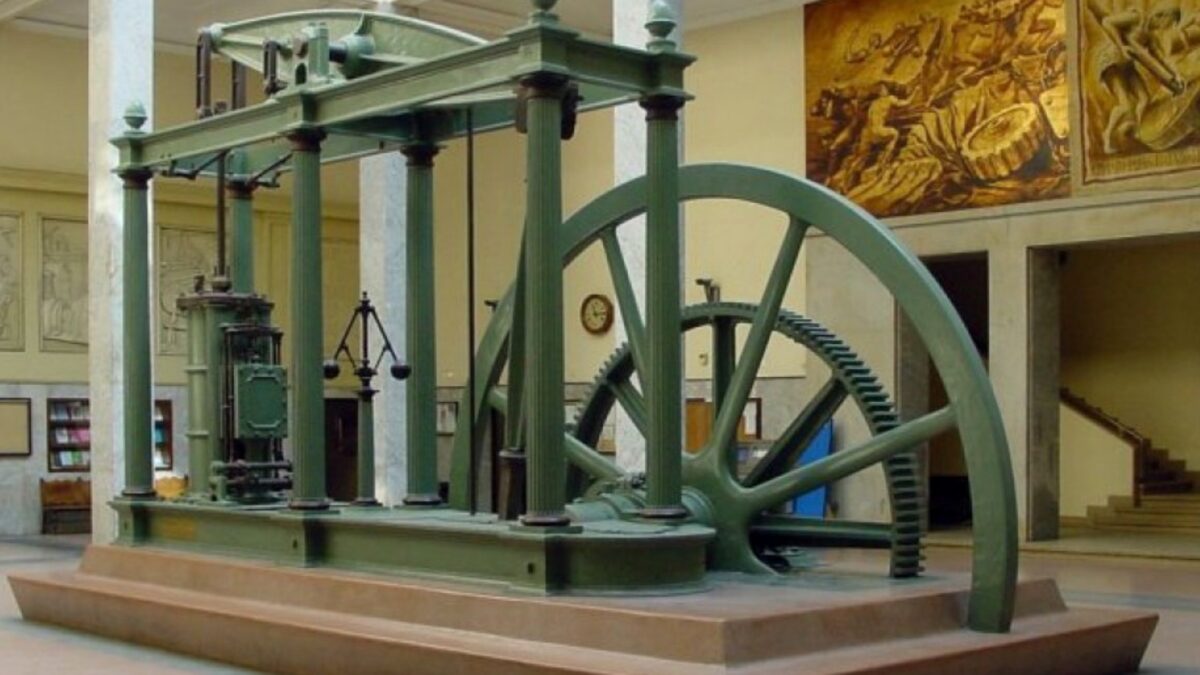
19th-century steam engines were supposed to conserve coal.
20th century fuel efficiency standards should reduce gasoline demand.
Yes?
Not necessarily.
AI Predictions
AI’s impact on energy might indeed be like the steam engine.
Jevons Paradox
While the spread of the steam engine during the 19th century let us use less coal, its lower price actually increased our demand for it. Called the Jevons Paradox by economist Williams Stanley Jevons (1835-1882), efficiency can have an unintended consequence. By making a resource cheaper, efficiency increases its consumption. Similarly, 20th-century fuel efficiency standards were supposed to reduce our gasoline mileage. Instead, they contributed to its increased use. One academic study suggests that a 10% boost in fuel efficiency results in 2% to 4% more driving.
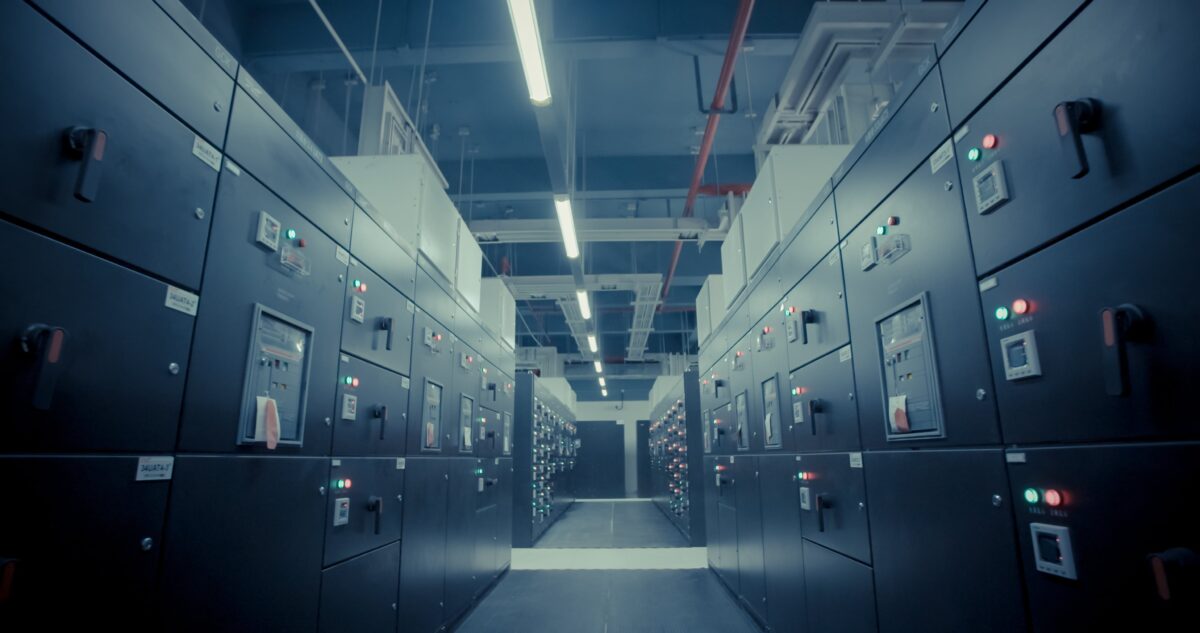
When Microsoft’s CEO posted on LinkedIn that “Jevons paradox strikes again,” he was referring to AI. Although we are using AI energy much more efficiently for each task, overall, electricity consumption at AI data centers increased by 50% in 2025. The reasons include efficiency improvements, “surging uptake,” and new applications. Together they add up to the Jevons Paradox.
Our Bottom Line: The Rebound Effect
The Jevons Paradox is an extreme version of the rebound effect. According to the rebound effect, more efficient technology leads to increased use of the resource we might have hoped to conserve, but some conservation remains. With the Jevons Paradox, the rebound effect backfires because the increased use more than offsets any savings.
For AI’s electricity consumption, we can only guess which one we will wind up with.
After all…
“It’s difficult to make predictions, especially about the future.”
My sources and more: Thanks to the NY Times for inspiring today’s post. From there, we further investigated the Jevons Paradox and the rebound effect here and here. Next, for fuel efficiency, this academic paper provided our statistics. Meanwhile, the IEA had our data center numbers. We should note that our featured image is one of the first steam engines.