
Our Weekly Economic News Roundup: From Drone Deliveries to Pirated Packages
November 21, 2026
During 1988, for the first time, we could attend the National Fiery Foods Show. Dave DeWitt (Feb. 1944-Nov. 2026)–soon known as the Pope of Peppers–founded the hot stuff show when he realized how much New Mexicans loved chilis.
Logic tells us that we should avoid foods that make us cough and sweat, and experiences that could be dangerous or sad. Instead, called a hedonic reversal, we soon realize that our brain is sending a mistaken signal. Overriding the signal, we (or some of us) then enjoy the activity.
So let’s take a look.
Enjoying Negative Experiences
Given the opportunity, many of us will ride a terrifying roller coaster that travels at 70 miles an hour. Somewhat similarly, we watch movies that make us cry, we plunge into icy lakes, and we like intensive massages that hurt. Saying hedonic reversals were a kind of benign masochism, researchers investigated the categories they called factors like sad, burn, and fear. Next under those factors, they listed related experiences. Then, finally, using a “loading” metric they indicated how closely a person associates the experience and the factor.
Below you can see 8 factors and 26 experiences. With a maximum loading grade of +1, the load number just signals how much the experience belongs with a factor.: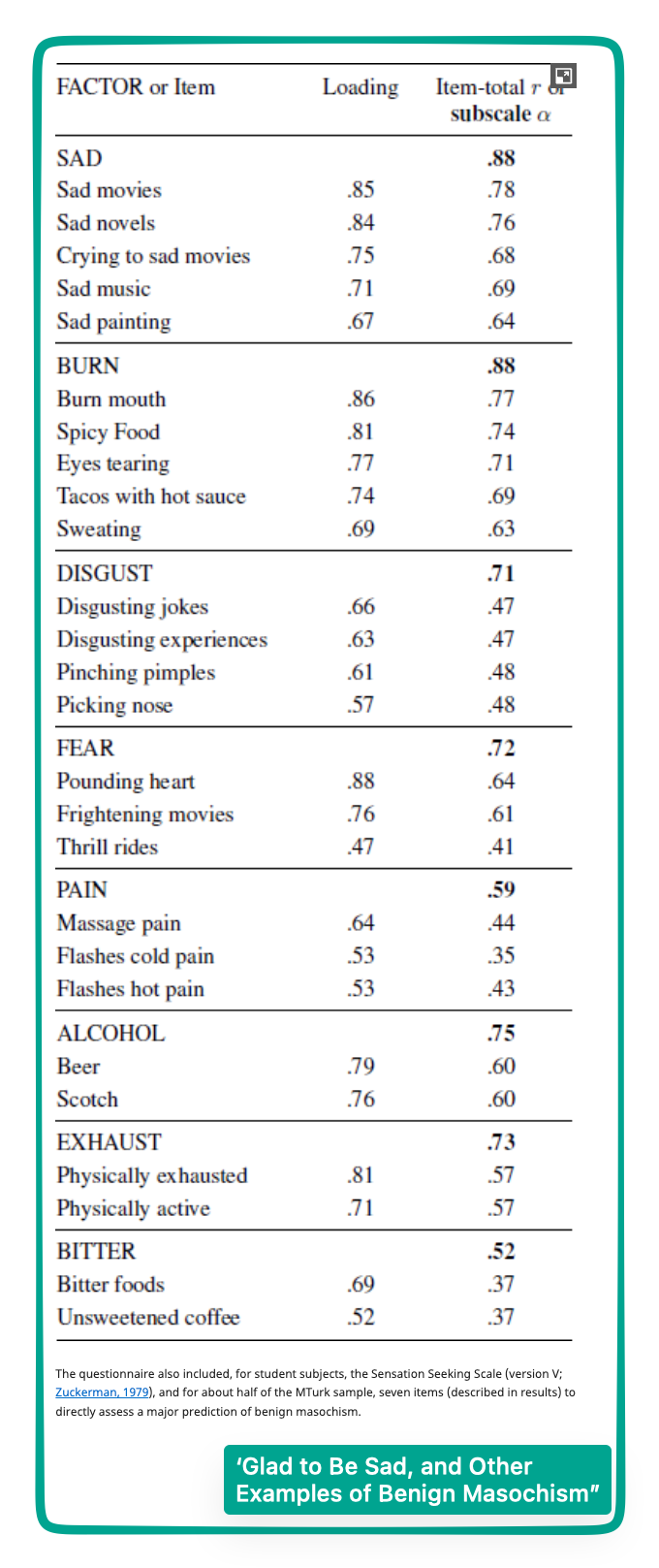
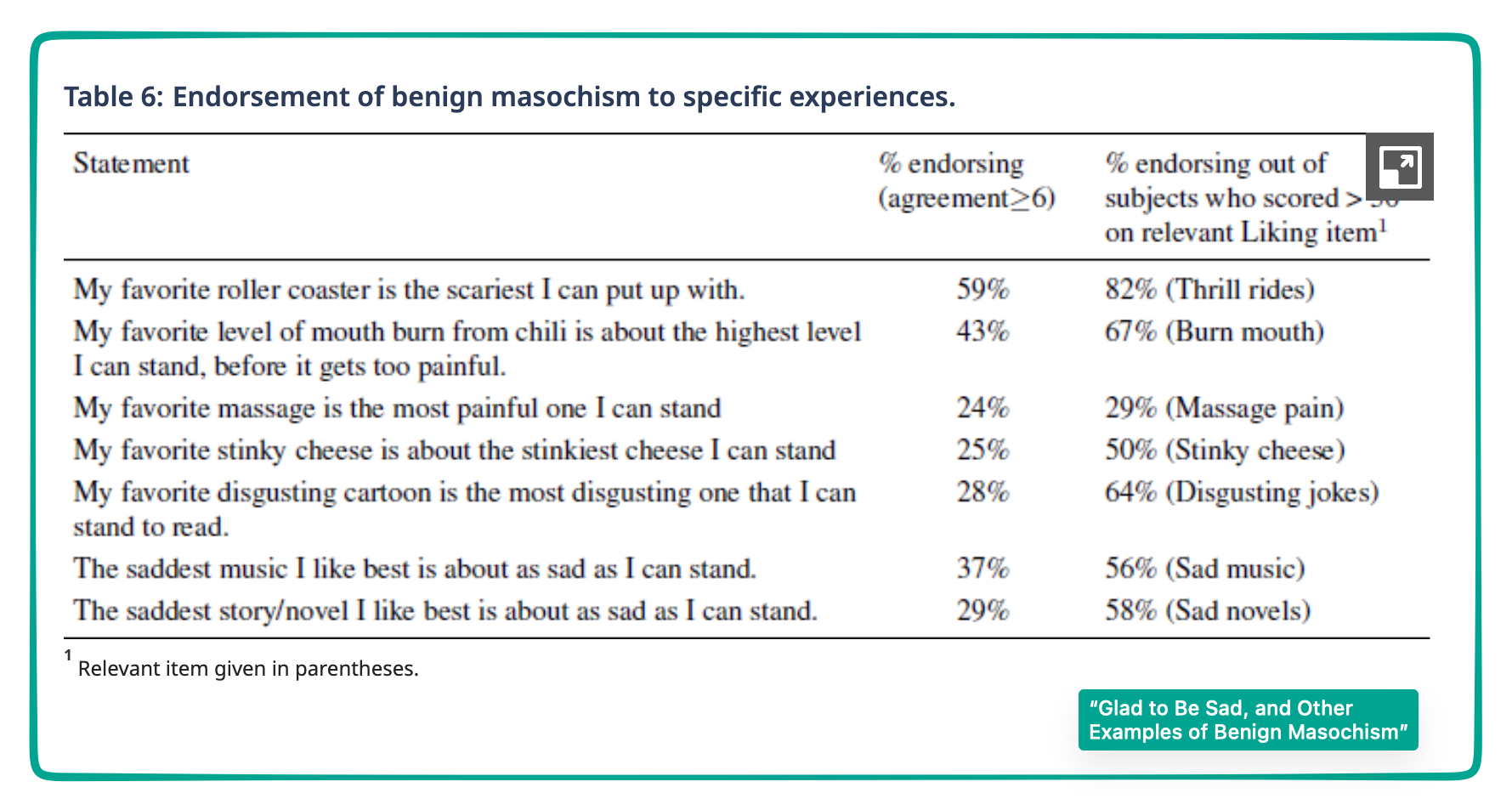
While most factor experience scores were similar for men and women, sad did include more women and strong alcohol, the men. However, all said their most preferred level of the activity was just below the point where they stopped because it became too unpleasant. They stopped just before “unacceptable discomfort:”
Our Bottom Line: Thinking at the Margin
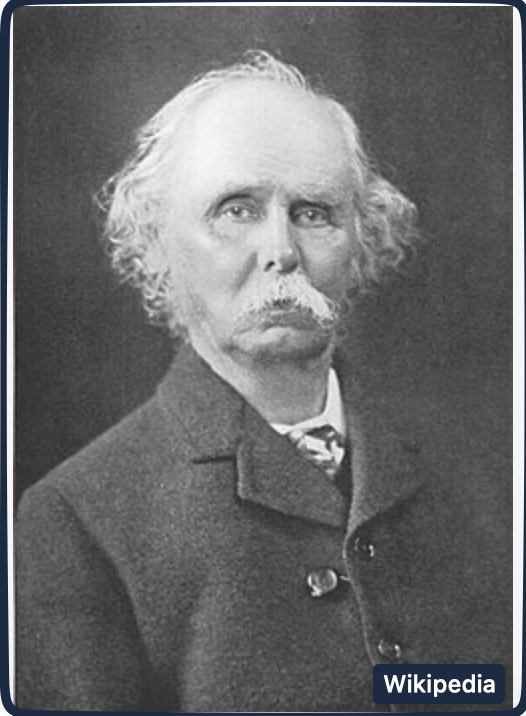
Alfred Marshall’s (1842-1924) insight about the margin can help us understand how much we enjoy a negative experience.
Alfred Marshall:
Assume for a moment you need access to a parking space near where you work. You can purchase a monthly pass that lets you occupy a space as many times as you want for 30 days. Or, you can pay for a spot every time you go to your job.
The deal you select determines your incentives. With the monthly, it is likely you will go to work more frequently. However, with the daily, you do not because you pay for each visit.
Alfred Marshall was the first economist to look at the significance of the margin. Defined as where you start to use extra, the margin determines your incentives. With the monthly package, you pay nothing extra (nothing at the margin) until the month ends. But when your margin is at each extra visit, you have less incentive to drive to work.
Similarly, how we feel at the margin (where we will do extra) determines how frequently and how much we will enjoy a negative experience. Thinking at the margin, we stop doing a negative experience when it becomes too uncomfortable.
My sources and more: Thanks to the NY Times DeWitt obituary for inspiring today’s post. From there, we discovered the academic research on enjoying negative experiences.
Please note that several sentences from today’s econlife were in a past post.