![econlifelogotrademarkedwebsitelogo[1]](/wp-content/uploads/2024/05/econlifelogotrademarkedwebsitelogo1.png#100878)


The Cost of Panda Economics
September 28, 2026
Why a Monopoly Game Can’t Be “Made in the USA”
September 30, 2026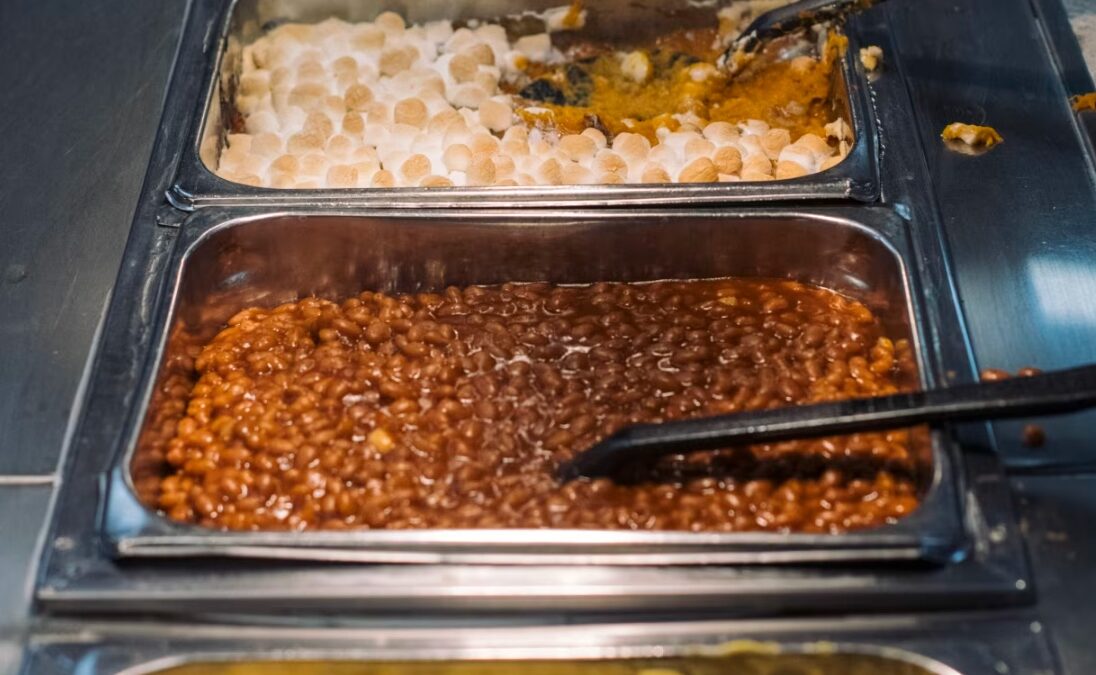
The Golden Corral buffet chain monitors its garbage. Knowing what we don’t eat helps them decide what we will eat.
It all happens at the margin.
Buffet Economics
All-you-Can-Eat History
The buffet concept took off in Las Vegas during the 1940s. Using the allure of unlimited food, casinos brought the patrons that would stay to gamble after the meal. Although the meals lost money, the gambling was far more prolific. Then, spreading far beyond gamblers, in 1982, Olive Garden served unlimited breadsticks, soup, and salad. Golden Corral, meanwhile, was originally a steakhouse after it opened in 1973, but during the 1990s, it swiveled to all-you-can-eat.
All-You-Can-Eat Economics
On the supply side, the price of food and capital has soared. At 38 percent of all expenses, food is the costliest. One propellant is the rising price of beef. Meanwhile, potatoes and rice are cheaper. But not diesel. With the price of diesel hitting record-setting highs, transport invoices now include a fuel surcharge.
Most of all, however, on the prep end of supply, eateries like Golden Corral know their dishes have to be tasty or (not having paid for that dish) customers dump them.
On the demand side, rising food and gasoline prices have shifted some of us toward all-you-can-eat, where diners can gobble as much as they want for one price. (I have read but cannot confirm that in 2011, a Red Lobster employee observed two gentlemen consuming 782 shrimp during 5.5 hours when the chain had its “Endless Shrimp” promotion.)
In return for its 150 or so alternatives, Golden Corral charges us $15.99 to $18.99.
With endless potential for a meal, demand has different boundaries. Current elevated gasoline and food prices have shifted our demand curves to the right for Applebee’s unlimited wings and riblets, and Cracker Barrel’s all-you-can-eat pancokes. According to WSJ, 13 percent of all casual eateries offer endless buffets while 53 percent of all consumers want them. Listening to their customers, the largest restaurant chains created 150 new all-you-can-eat deals from January to June this year.
Our Bottom Line: Thinking at the Margin
As economists, whether looking at Golden Corral’s supply or demand, we should remember economist Alfred Marshall (1842-1924). A professor at Bristol and Cambridge, he was the scholar who encouraged us to think at the margin. Defined as where we decide if we want something extra, the margin is the place we make most decisions. Marshall saw that extras matter because their value varies. We decide whether to hire an extra worker by comparing the extra revenue to the extra wage. When we consider sleeping an extra 15 minutes, we think of the marginal benefit (the pleasure) and the marginal cost (no time for breakfast).
Trying to nudge us at the margin, Golden Corral pairs high- and low-price dishes in their line-up. Calling them “meal modules,” high-cost shrimp is next to hush puppies and French fries. Or a whole bone-in fried pork chop could tug customers away from the pricier steak. Also at the margin are the drinks that cost extra. In addition, knowing what a “doggy bag” could add to “consumption,” Golden Corral prohibits them. However, they will deliver their take-out Bone-In Buffalo Wings or Buffalo Bites.
All-you-can-eat takes us to the margin. As eaters and eateries contemplate how much extra, they are dealing with a supply side that needs the economies of scale that bring per-item prices down. At the same time, on the demand side, margin kicks in. While a fixed price adds to what we are willing and able to eat, diminishing marginal utility (like that fourth chocolate chip cookie tastes worse than the first one) can establish limits.
So yes, everywhere, all-you-can-eat is at the margin. But maybe it is most meaningful when we see what we’ve thrown out.
My sources and more: Thanks to yesterday’s WSJ for the update to our past all-you-can-eat posts.
Our featured image is from WSJ. Please note also that several of today’s sentences were in past econlife posts.