![econlifelogotrademarkedwebsitelogo[1]](/wp-content/uploads/2024/05/econlifelogotrademarkedwebsitelogo1.png#100878)


How An “American-Made” Car Can Surprise Us
August 19, 2026
The Town Without Traffic Lights
August 21, 2026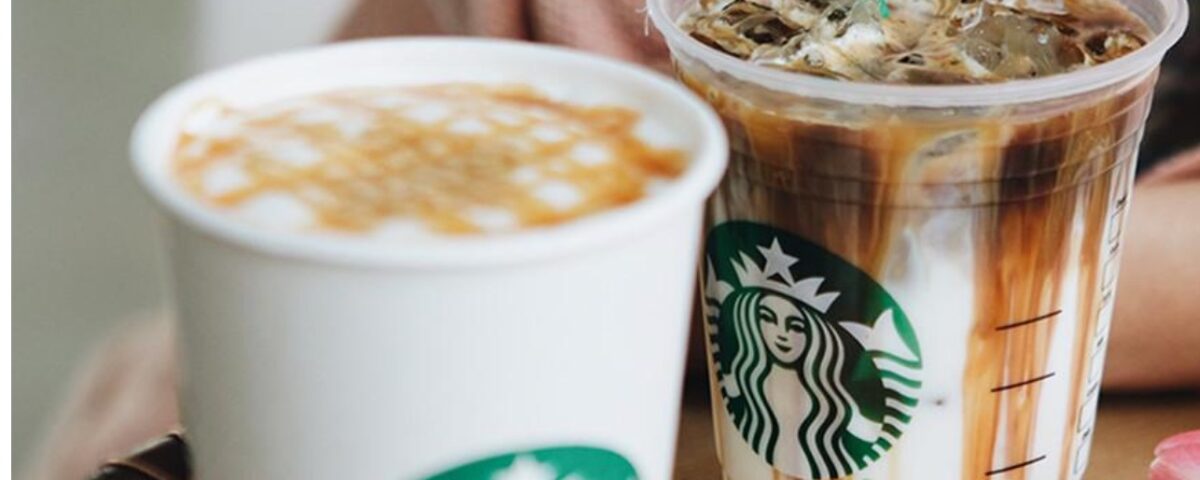
By Guest Blogger Tanseem Arampulikan
Not ordering Starbucks for a while, Mara decides to return and treat herself to a morning coffee. When she walks in, a barista greets her, prepares her drink within minutes, and writes a “you rock :)” on the cup. The fast drink, familiar taste, and positive human connection made the experience feel easy– something worth repeating.
Soon after, Starbucks is back in her morning routine.
Starbucks and Customer Neurology
What caused this shift? Before, Starbucks’ long waits, complicated menus, and inconsistent service made it feel purely transactional. However, since Brian Niccol took the reins at Starbucks, the once-declining brand is now back on the rise. In its fiscal 2026 Q3 report, Starbucks exceeded analysts’ expectations for adjusted earnings, with in-store North American comparable sales rising 8.1% this quarter. So, what brought customers back? The answer does not lie in just the coffee, but in a strategy that aligns with how our brains choose and stay with brands.
Brian Niccol’s “Back to Starbucks” plan
Mara’s experience stems from Brian Niccol’s “Back to Starbucks” plan. Niccol wanted Starbucks to return to its community coffee-house roots, rather than feel like an impersonal, chain business. His goal was twofold: to improve operations and to foster positive interactions. It was all about rebuilding Starbucks into a warm image in consumers’ minds and creating a balance between familiarity and novelty that keeps them coming back.
When customers like Mara first enter the store, through its logo, Starbucks creates a sense of familiarity with the mere exposure effect. By seeing or hearing something repeatedly, we grow to like it simply because we are exposed to it often. The Starbucks logo is recognized faster by Mara’s visual cortex processing pathways, leading to less cognitive effort. That cognitive ease can make the brand feel more trustworthy, safe, and comforting.
Mara’s Brain
In addition, Niccol’s plan focuses heavily on recreating the community heart of Starbucks. Achieving his goal, when Mara talks with the barista and reads the handwritten message on the cup, her brain receives two inputs: the green Starbucks logo on the cup and the human connection. Called associative learning, her brain begins linking Starbucks with the feelings of warmth and care. Associative learning is your brain’s ability to link two unrelated things and connect them. At the same time, Niccol could even be encouraging the Hebbian Learning Effect through which “neurons that fire together, wire together.”
And finally, while familiarity keeps Mara returning, novelty further engages her. Driven by evolutionary curiosity, our minds also seek out new experiences in anticipation of a possible reward. However, we most often gravitate toward novelty within a known environment. The “Back to Starbucks” plan leverages this sweet spot each season.
As Mara continues her morning Starbucks routine into fall, she is excited to get her pumpkin-spiced latte and try some of the new flavors on the menu. These Fall 2026 drinks generate anticipation and excitement, diverging from the same-old and offering something to explore within a limited time. Mara may be trying a new drink, but it still is the same coffee shop with the same green logo. Starbucks does not ask her to choose between novelty and familiarity; it offers both.
Every day, beyond her drink, Mara leaves Starbucks with a good feeling that stems from Niccol’s “Back to Starbucks” plan. Niccol, whether consciously or subconsciously, leverages neuroscience and cognition in his new policies. These policies tap into our brain’s inclination towards familiarity and positive emotions, while balancing it with sprinkles of novelty. The mere exposure effect, associative learning, and seasonal novelty all help to explain their strong Q3 report. As they approach the end of the fiscal year, the continued success of Starbucks involves harnessing our neurology to generate revenue.
Sources
https://builtin.com/articles/mere-exposure-effect
https://www.cnbc.com/2026/07/29/starbucks-sbux-q3-2026-earnings.html
https://about.starbucks.com/press/2025/back-to-starbucks-transforming-our-support-organization/