![econlifelogotrademarkedwebsitelogo[1]](/wp-content/uploads/2024/05/econlifelogotrademarkedwebsitelogo1.png#100878)


How An Oil Supply Shock Inflates Prices
July 23, 2026
July 2026 Friday’s e-links: When Two Comedians Focused on the Fed
July 24, 2026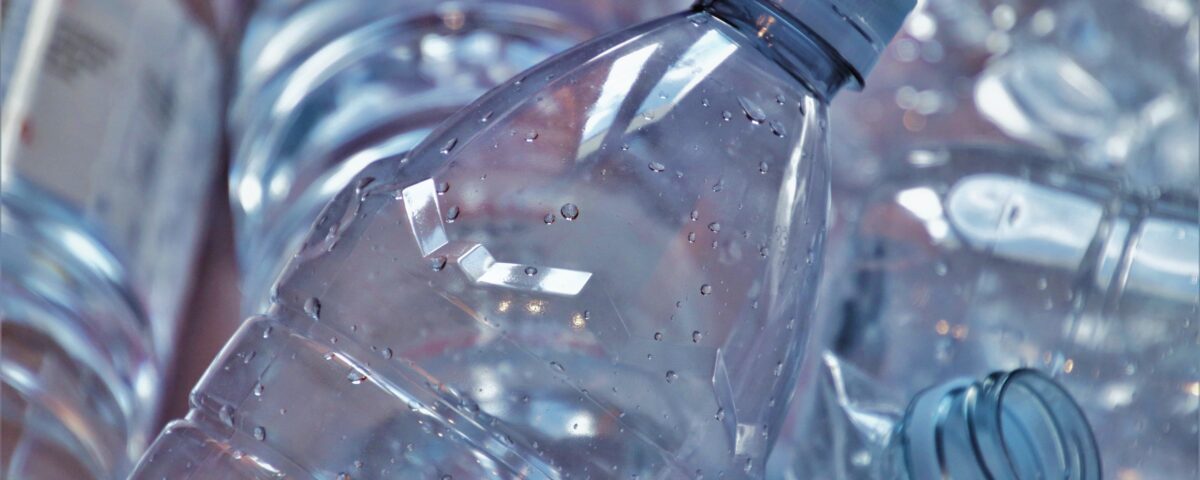
From Guest Blogger Tanseem Arampulikan
After a 3-mile run, Amelia ends her workout with a light stretch. Walking out of the gym, she finishes her water bottle. A trash can sits right outside the door while the recycling bin is down the pathway. However, she is too tired and unmotivated to walk the other way. So, she throws her plastic bottle in the trash.
Recycling Incentives
Amelia’s experience is common. While most people know what is good for the environment, they fail to recycle consistently. This gap between aspirational recycling and actual recycling comes down to incentives: the difference between what we know we should do and what our brains feel motivated to repeat.
No visible reward, no brain nudge, no recycling.
The fundamental problem is rooted in our brain’s perception of effort and motivation. Just experiencing a regular day, Amelia’s brain has already made thousands of decisions involving the prefrontal cortex. Seeking efficiency, her brain is drawn to immediate rewards and decisions with a low cognitive load. Our brains do not want to experience decision fatigue, so they rely on the habit of tossing bottles in the trash can.
Individuals: Dopamine
Most well-known as a pleasure molecule, dopamine can motivate us to seek out rewarding experiences and repeat them. First, our brains calculate if an action is worth the effort and the reward. Then, if it is, dopamine is released to enhance our pursuit.
Sadly, once Amelia threw out the bottle, there was no surprise involved. Surprise is the messenger for dopamine. Called our brain’s reward prediction error, if the outcome was better than expected, dopamine spikes and reinforces the action in your brain– building a habit. If the outcome was worse than expected, dopamine levels drop below baseline, telling your brain not to do the action again.
For Amelia, experience and effort tell her that there is no visible reward in walking the couple of extra feet. Without an immediate reward, Amelia’s brain has little reason to interrupt the easier habit of tossing the plastic bottle in the trash. She had no surprise, no reward-prediction error, no dopamine, so no recycling.
Nationally: Infrastructure
In a 2025 national survey, 77% of Americans said they recycled, while the actual material recycling rate was 32.1%. The gap between people’s intentions and actions reflects a deep infrastructure problem, made up of both tangible and intangible barriers. Faraway locations, unclear rules, and poor education all increase effort without creating a reward strong enough to activate a dopamine-related signal. The majority of U.S. states do not offer streamlined recycling programs, often confusing homeowners. Additionally, there are inadequate financial incentives. For instance, driving to a recycling center with twenty plastic bottles would only earn one or two dollars in the ten states that have bottle deposit laws, and only a couple of cents or nothing in the other forty states. Plainly, America’s current recycling infrastructure does not have a large enough incentive to drive our brains’ motivation.
So, what can work?
The road to recycling is through our brain’s dopamine pathways.
Recycling programs should be low-effort and visibly rewarding. For instance, Germany’s Pfand system is the world’s highest-performing single-use drink deposit scheme. It charges extra when a plastic bottle is purchased, but then returns that money once it is recycled. Therefore, Germany turns recycling from an abstract environmental effort to a concrete reward. Simply, their system lowers effort and provides a visible payoff to reinforce habit.
To make recycling stick, America needs to design systems that lower effort and give the brain a reason to repeat the behavior. Recycling infrastructure must be built around the wiring of our brains, not the hope that good intentions will lead to action.
Moving beyond recycling, our economy could be stronger if policymakers recognized how humans actually make decisions.
Sources:
https://sustainabilitymag.com/news/wms-recycling-report-do-americans-really-recycle
https://mosumind.com/why-your-brain-loves-instant-gratification/
https://www.tomra.com/reverse-vending/media-center/feature-articles/germany-deposit-return-scheme