![econlifelogotrademarkedwebsitelogo[1]](/wp-content/uploads/2024/05/econlifelogotrademarkedwebsitelogo1.png#100878)


Where To Make More Money
July 22, 2026
Why Our Brains Don’t Want To Recycle
July 24, 2026
When the Iran War vastly reduced oil production and transport facilities, it created a classic supply shock.
The Impact of An Oil Supply Shock
As a result, we have a direct and indirect consumer price hit.
Direct Impact on Consumer Prices
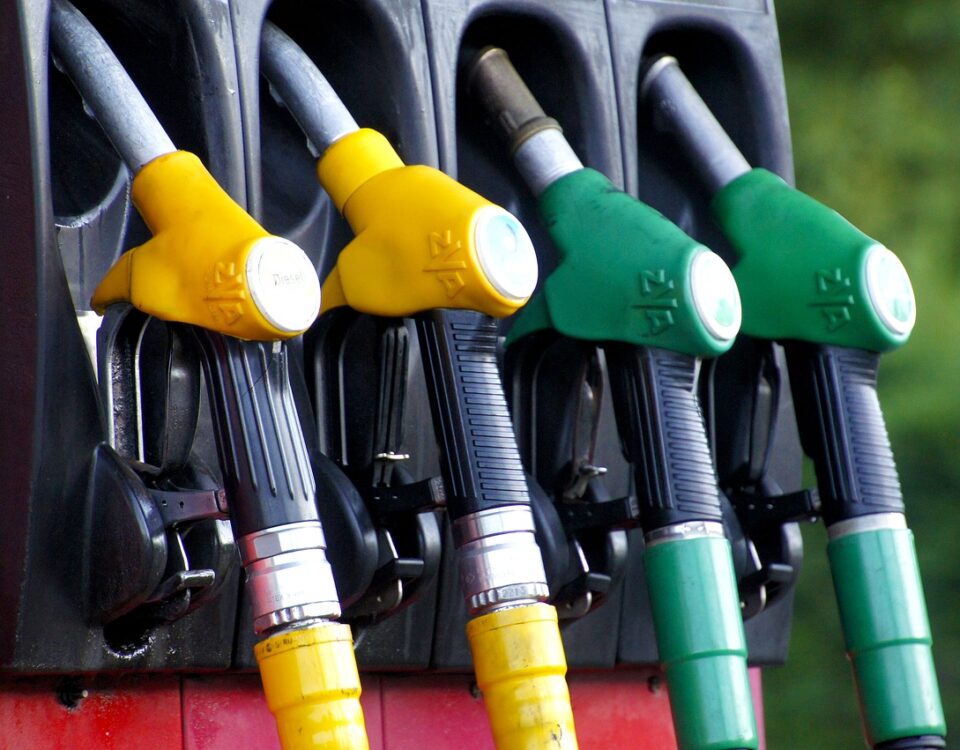
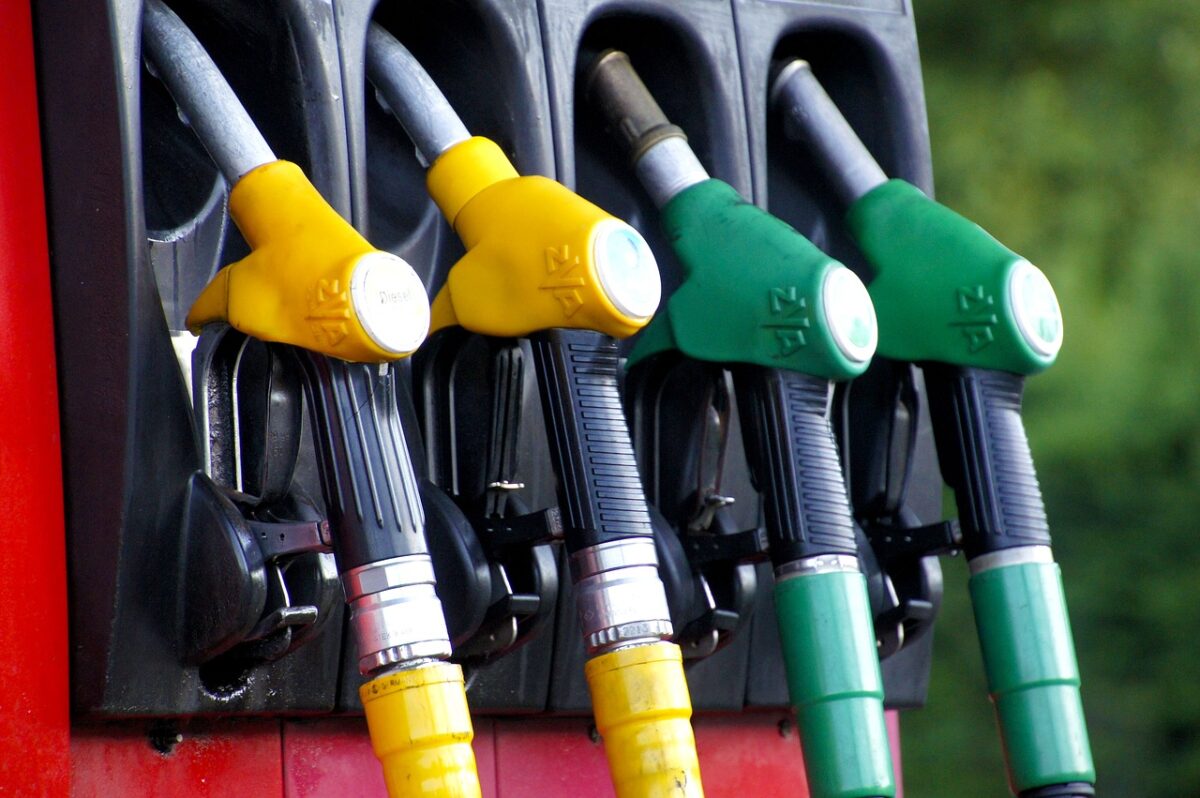
Seen everyday as gasoline, oil travels to us directly. So too does the propane we cook with and the diesel in our trucks. All direct hits are rather speedy. Experienced by consumers in a month or so, they are quickly felt as price increases.
Indirect Impact on Consumer Prices
For non-energy goods and services, the price passthrough has a more circuitous route.
Its path starts with the oil component of the land, labor, and capital used to make our non-energy goods and services. Then, because producers pay higher energy prices, their input costs rise. When they decide to pass along their extra expenses, consumers pay higher prices. Slower than their direct oil-related sisters, non-energy goods and services display staggered price hikes. Reflecting independent decision making, firms raise prices at different times. As a result, economists observe a three- to six-month wait before the peak price of indirect goods and services hits our wallets.
At econlife, we looked at the impact of the Iran War on urea and naphtha and latex. Used for fertilizer, urea is a more expensive factor of production that could make our pretzels (made with wheat) cost more. Similarly, a disrupted naphtha supply affected Japanese potato chips as did the latex in condoms. Each hike reflected the indirect price passthrough to consumers of our disrupted oil supply.
Our Bottom Line: Supply Shocks
During her Richmond Fed interview, economist Christiana Baumeister said that the Iran War created “… the cleanest example of an oil supply shock that we’ve had in decades. It really follows the blueprint of a classical supply shock: There’s a war in an oil-producing country or region where production facilities and energy infrastructure get destroyed, and, in this case, a major waterway gets blocked. That leads to a loss of oil output, which then induces a spike in oil prices.
What sets the current crisis apart is the sheer size of the supply disruption and the fact that it has affected all the countries in a region. Historically, these types of supply shocks have often been the result of conflict between neighboring countries, but the effect of this disruption has spread widely across the most important oil-producing region in the world…”
… And initiated a global inflationary ripple.
My sources and more: Thanks to The Conversable Economist for inspiring today’s post and alerting me to the Richmond Fed’s interview.