![econlifelogotrademarkedwebsitelogo[1]](/wp-content/uploads/2024/05/econlifelogotrademarkedwebsitelogo1.png#100878)

How to Solve a Highway Problem
May 12, 2026
How a Tin Can Changes Our Dinner Menu
May 14, 2026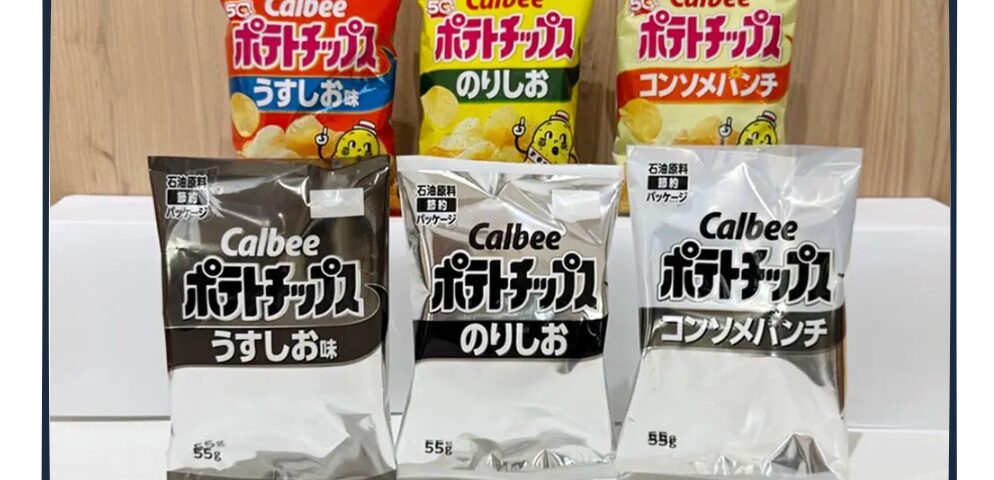
54% of the world’s naphtha no longer moves through the Strait of Hormuz.
Japan’s cereal eaters will be affected.
Japan’s Cereal Eaters
Japanese snack maker Calbee will temporarily change some of its packaging. From reds, blues, and splashes of assorted hues, 14 products, including potato chips and breakfast cereals, will instead come in black and white bags or boxes on May 25. The problem is the printing ink that needs naphtha. Although no shortages have yet emerged because of the Iran War, Calbee said it made the change to preserve its steady supply. (In our featured image, the original bag is in the back.)
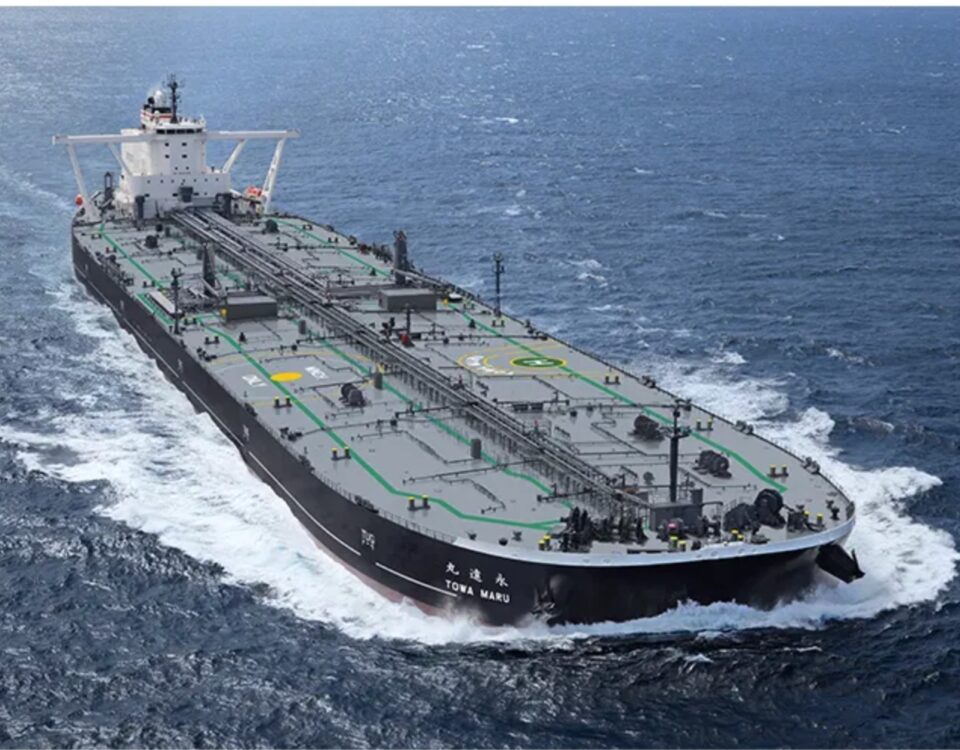
With naphtha needed for products that range from the world’s paints, to its ink, to petrochemicals, its shippers cite delays and cancellations because of rerouting, and elevated safety concerns inside and outside of the conflict zone. With Japan, South Korea is especially concerned about producers in the UAE, Qatar, and Kuwait. Correspondingly, the price of naphtha has soared to a four-year high.
Much more than potato chips bags, the naphtha shortages affect all things plastic. Car components and tofu packages have also been hit.
Our Bottom Line: Externalities
Impacting goods that ranged from potato chips to computer chips, urea and condoms, cargo delays and cancellations at the world’s chokepoints create ripples of disruption. Called externalities because of their widespread impact, one industry’s upsets cascade into others.
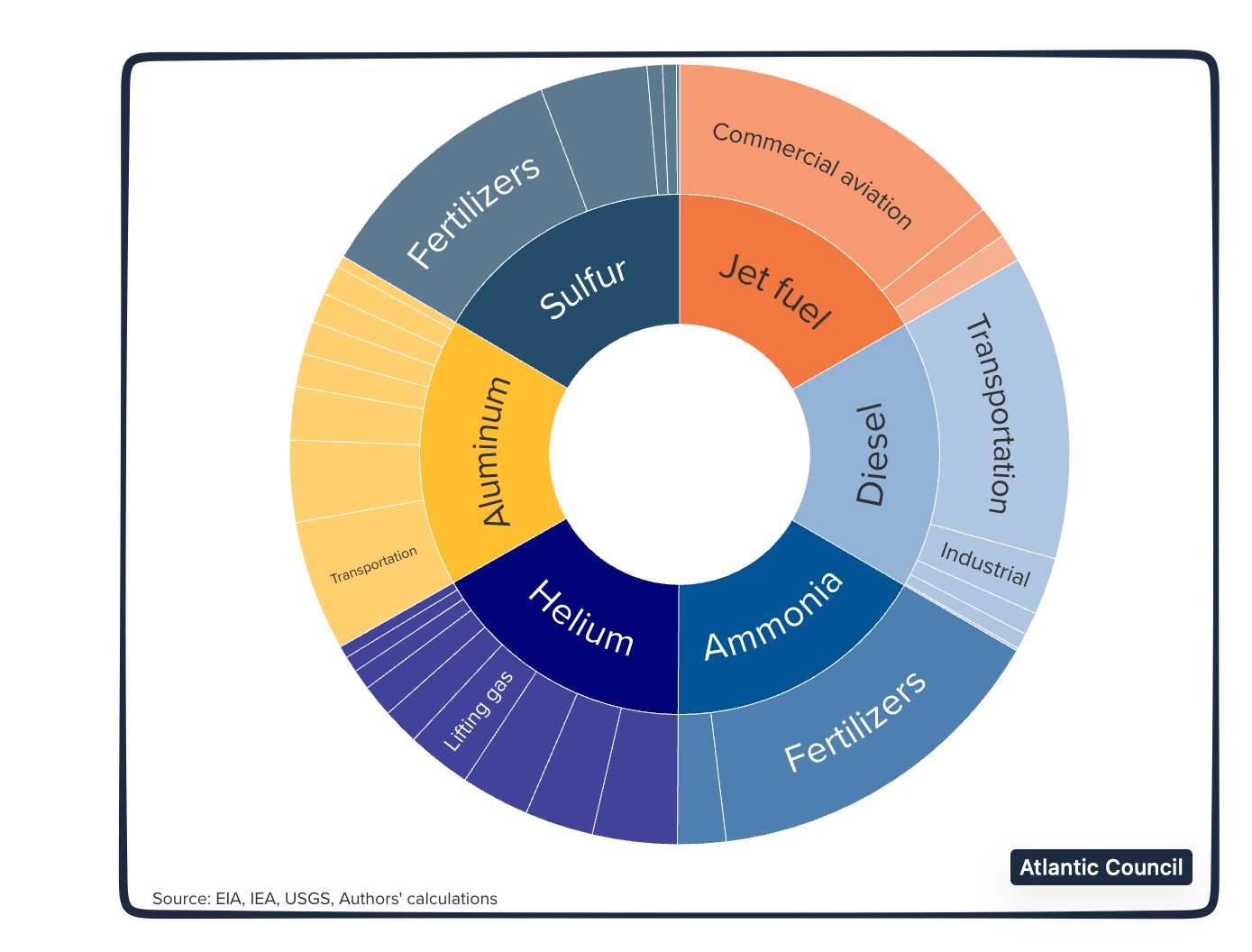
In a recent article, the Atlantic Council named the everyday commodities on which key sectors of the U.S. economy rely. Generators, trucks, and ships need diesel fuel. Semiconductors and MRI machines depend on helium. As for aluminum, the list could occupy a book.
Those everyday commodities, listed below, can each have an origin story that begins in the Strait of Hormuz:
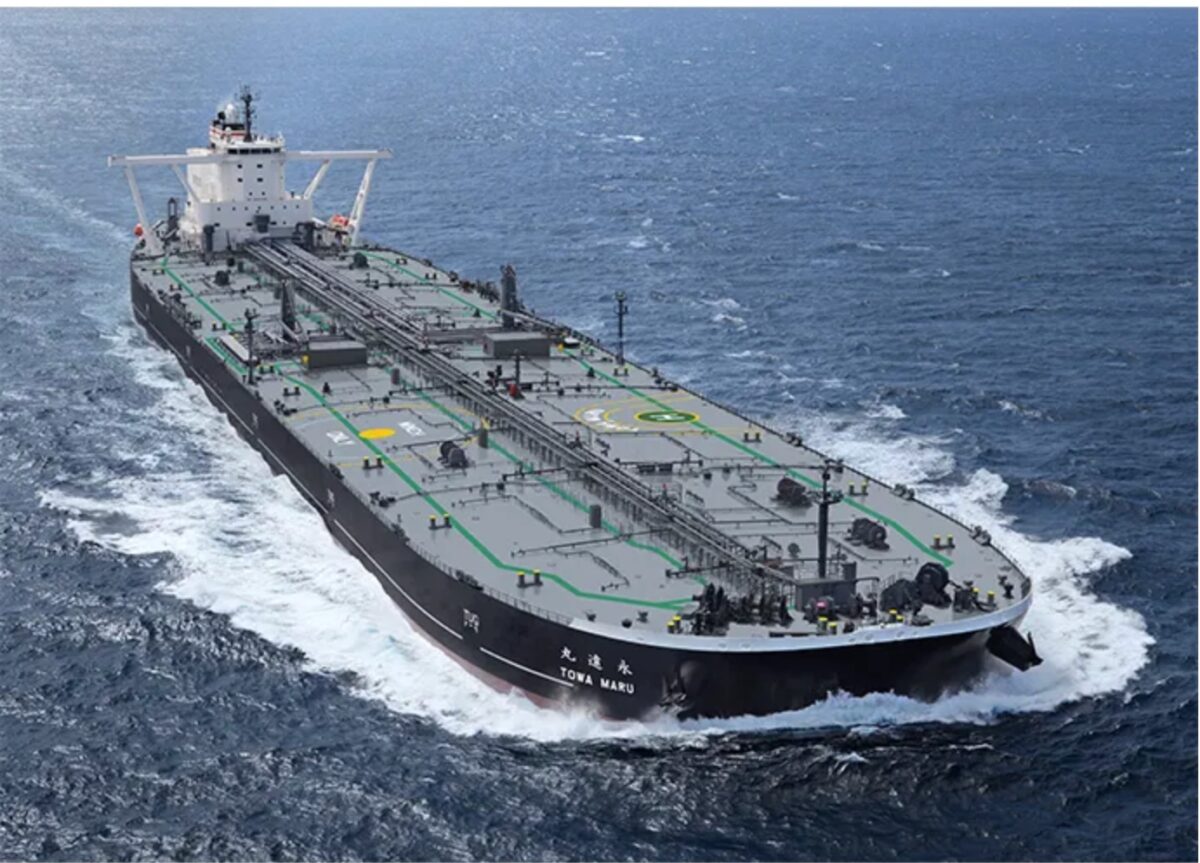
The Strait of Hormuz is one of 13 shipping chokepoints named by The Economist:
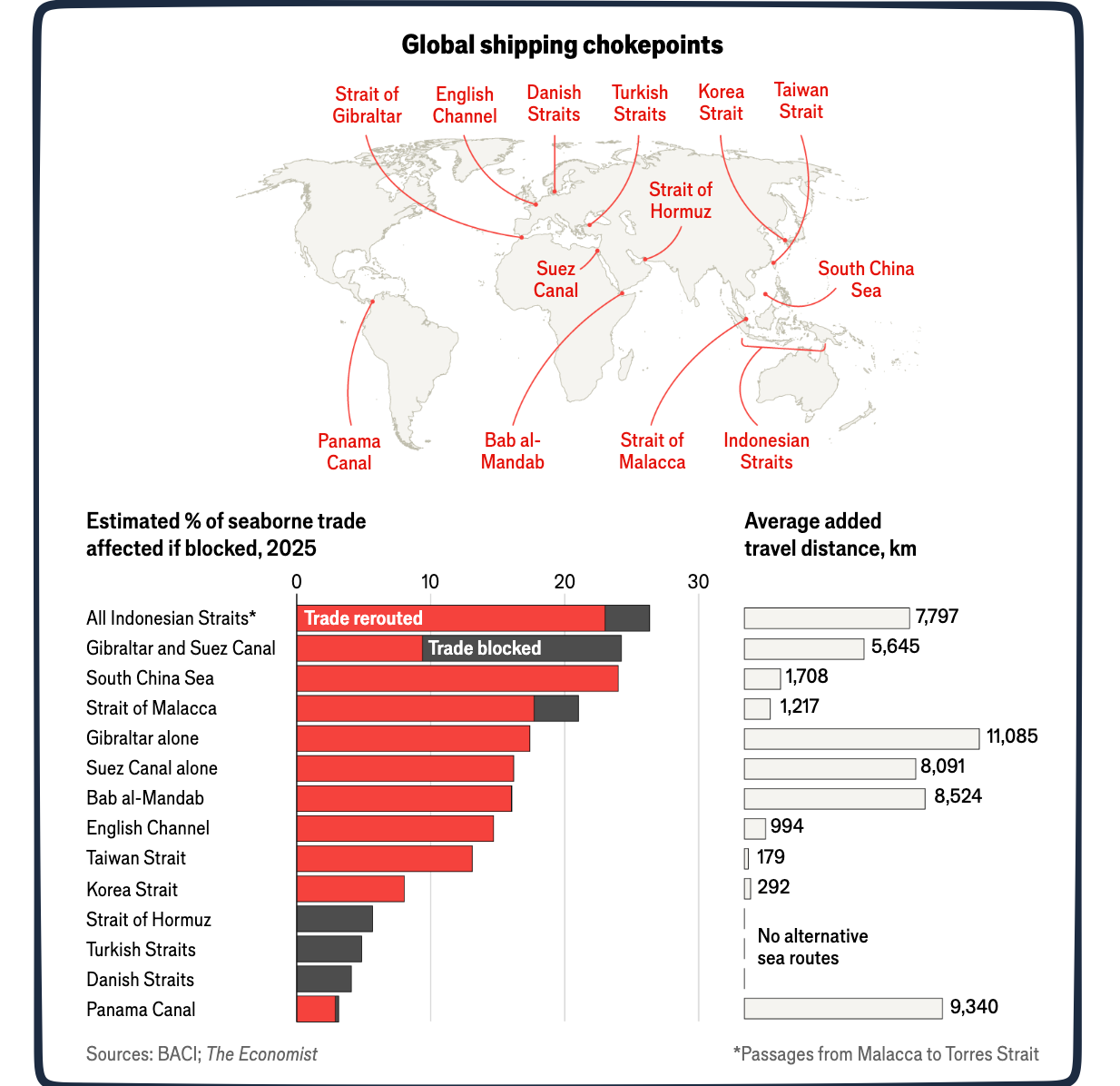
Each, when blocked, (as we saw with the Ever Given and Suez in 2021), creates countless negative externalities.
Is a gray, black, and white cereal box a negative externality?
My sources and more: Today, our first step was the Atlantic Council and then two Economist articles on chokepoints, here and here. From there, more specifically, we moved to naphtha here and here. And finally, it all took us to Japanese cereal boxes, here and here.