![econlifelogotrademarkedwebsitelogo[1]](/wp-content/uploads/2024/05/econlifelogotrademarkedwebsitelogo1.png#100878)


How Buffet Economics Affects what We Can Eat
September 29, 2026
Why Measuring Oil Takes Us To Mount Everest
October 1, 2026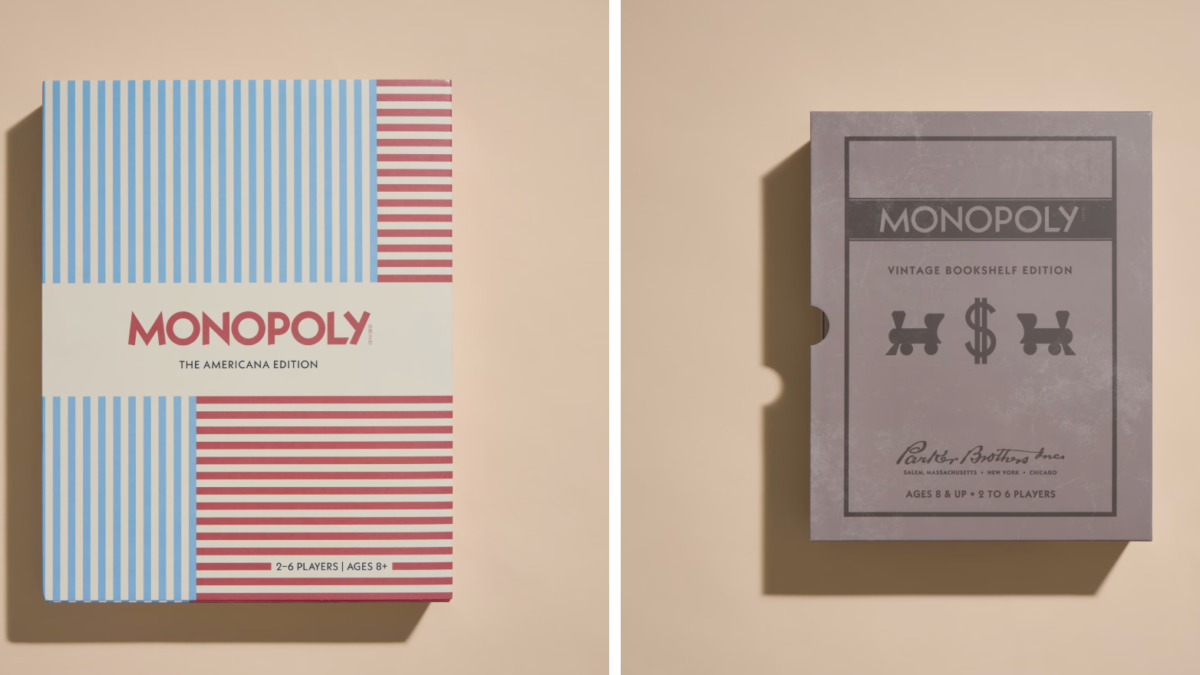
Chinese tariffs were supposed to bring manufacturing back to the United States.
The makers of Monopoly discovered why it won’t work.
Monopoly Games Made in the USA
Our story starts with the WS Game Company in Manchester-by-the-Sea, Massachusetts. As a producer of millions of high-end versions of games like chess, checkers, and the Game of Life, the company’s customers include RH and Pottery Barn.
With Monopoly, high-end meant wood instead of plastic. The box has a magnet, and the players’ tokens reside in reclosable bags. Requiring a variety of skills and materials, China’s labor force and factory clusters had been ideal producers of a posh game for 25 years. However, when the tariffs hit, and import prices soared, WS Game decided America’s 250th was the perfect time for an Americana Version that was “Made in the USA”. While they expected making the game here would cost an extra 20 percent, the cost uptick wound up at 100 percent.
As the owners explained, the headaches began immediately. Needing U.S. factories that specialized in “intricately sliced, painted, and printed wooden parts,” they found none.
As a result, instead of wood, they had to settle for plastic:
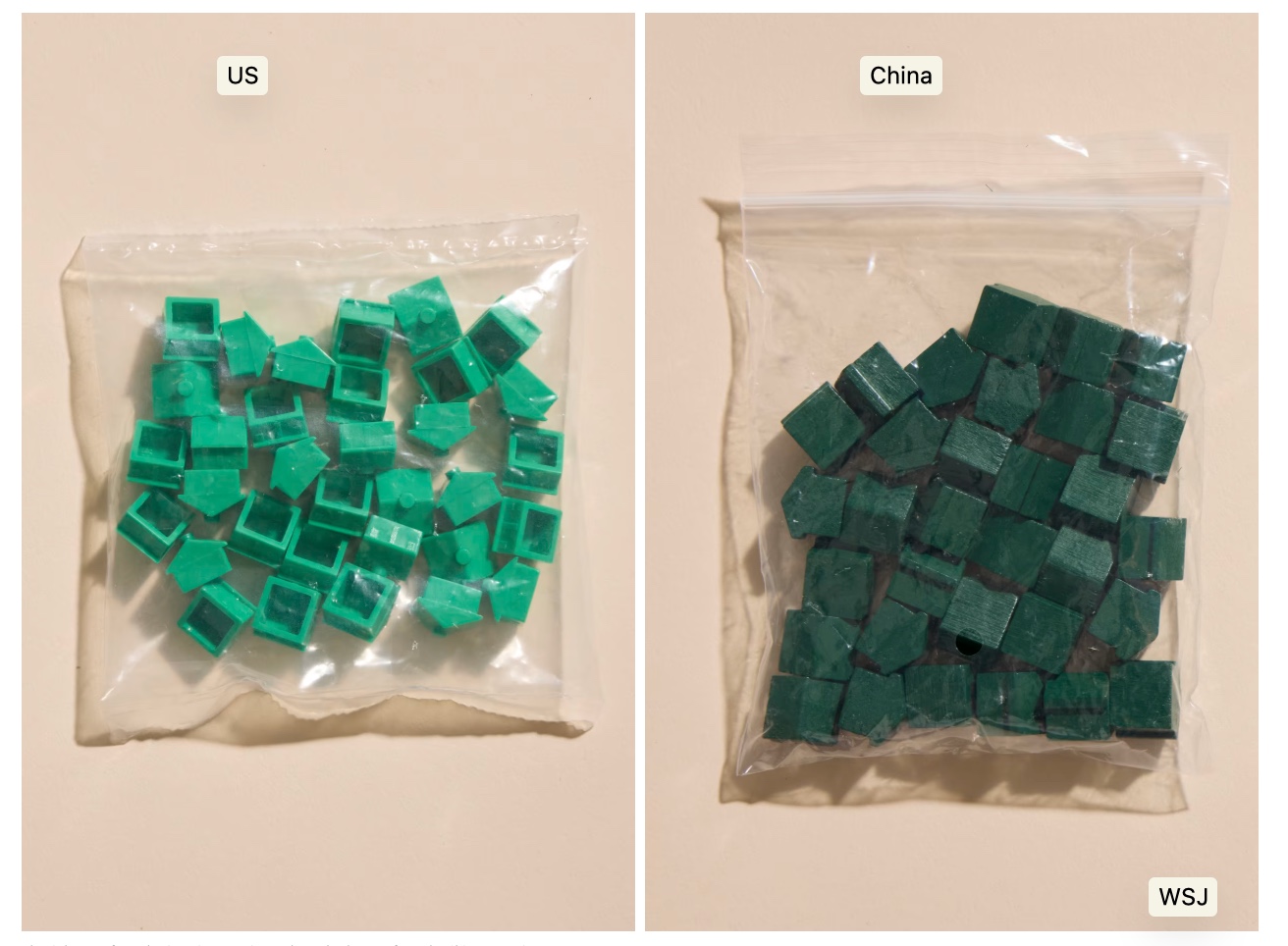
In countless ways, they had to pay more for much less. The U.S. version had a paper cover rather than the original fabric. Correspondingly, the spine had to be straight rather than curved. Too expensive to replicate, the magnet closures (that Chinese labor inserted by hand) were eliminated. Similarly, they could not recreate a cost-effective wooden box. Meanwhile, no one in the USA could make their dice. At 10 times the cost, even the plastic game tray had inaccurately sized cavities for game parts.
You can see that the U.S. just did not have the land (factory clusters that together made the whole game), the labor, or the capital to manufacture a high-end version of Monopoly. Still they had to price the Americana Edition at $80, $35 more than the Chinese version.
Our Bottom Line: Comparative Advantage
The economist who first explained comparative advantage, David Ricardo (1772-1823), said each nation should make the goods and services for which it has the lower opportunity cost and import what it does not produce. Because of those imports, consumers would enjoy lower prices and more variety. Benefiting also, exporters have larger markets that support the efficiencies of economies of scale, and ultimately, the entire world becomes more productive.
Although a Made in the USA Monopoly game negates comparative advantage, its downside is tough to see. As economist Milton Friedman has explained, the jobs tariffs save are visible. But the consumers’ and importers’ costs are hidden.
With WS, the tariffs disrupted their business plans. Prohibitively high at a whopping 145 percent, the tariffs prevented them from importing games until a temporary reduction to 30 percent permitted a rushed entry of inventory. Still, their sales were down 35 percent.
More than a game, Monopoly also displayed the downside of a tariff.
My sources and more: All of today’s facts came from this WSJ article.