![econlifelogotrademarkedwebsitelogo[1]](/wp-content/uploads/2024/05/econlifelogotrademarkedwebsitelogo1.png#100878)


Why Social Security Gets Sicker As We Get Healthier
June 29, 2026
What World Cup Ticket Prices Tell Us
July 1, 2026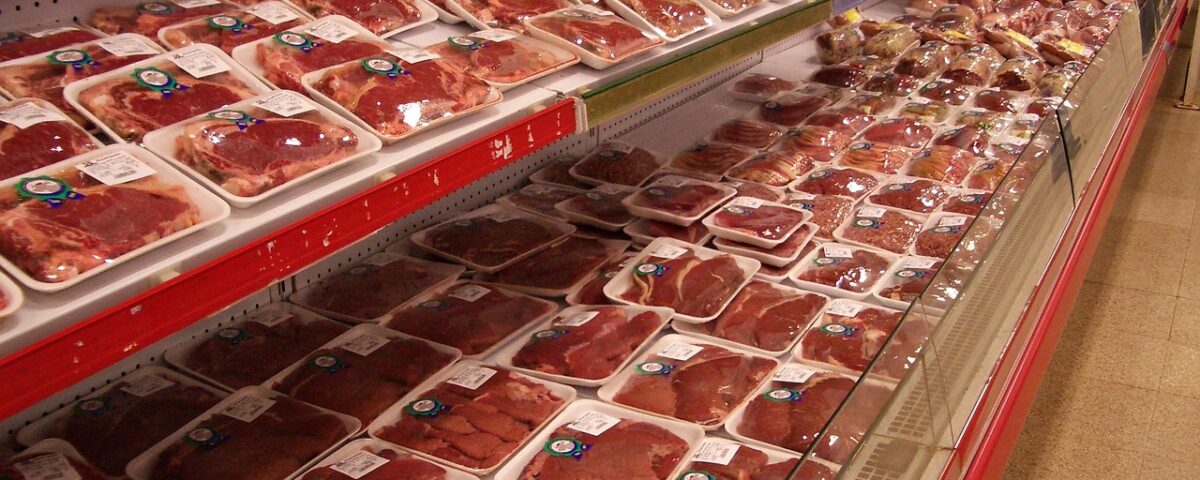
Although economic growth is okay, and employment and stock market averages are high, all is not well. Shown by the Kitchen Table Project, consumers are caught in a price income squeeze.
Rising Grocery Prices
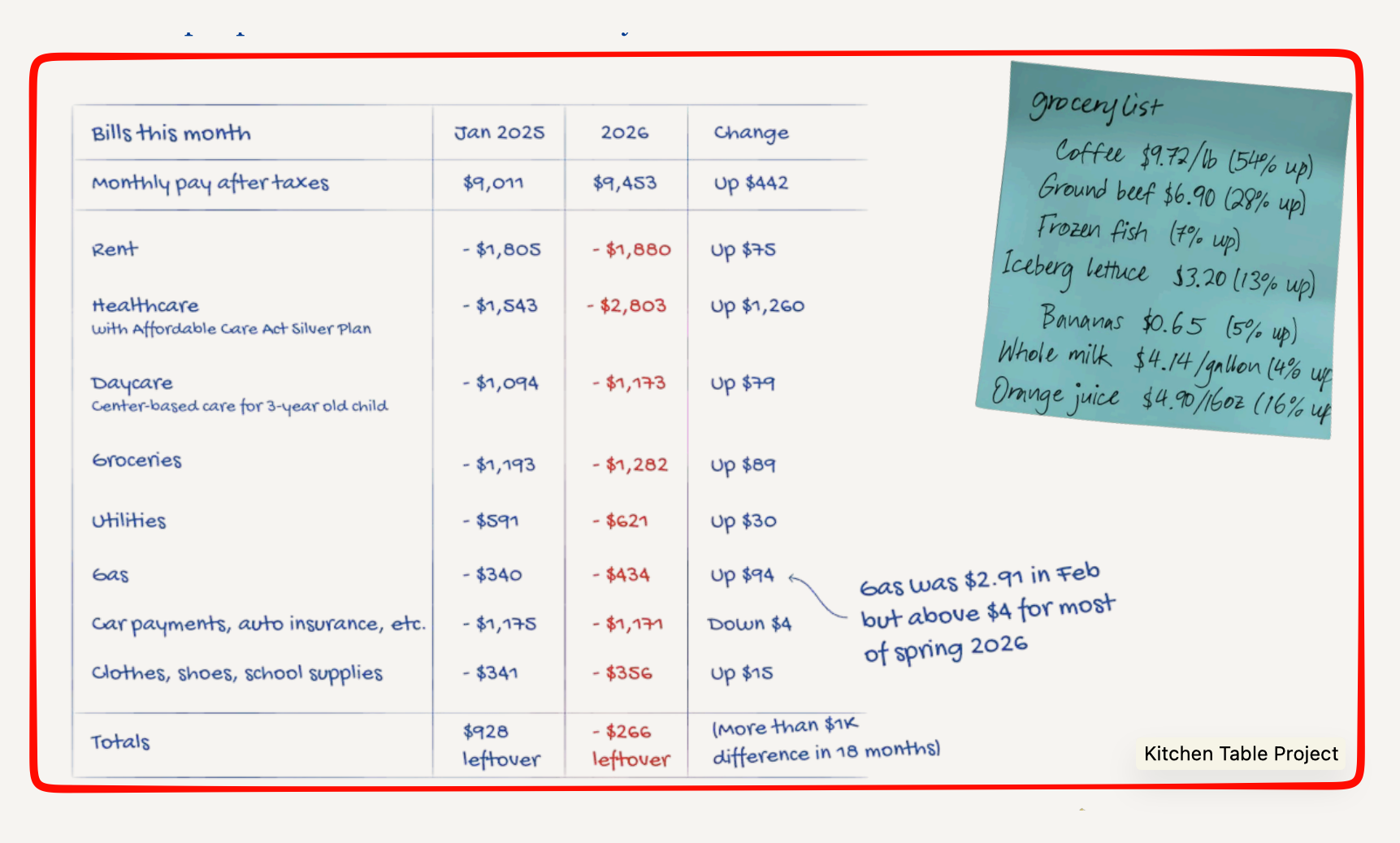
According to the Kitchen Table Project, a family of four with 2 children younger than 8 years old, earning $130,000 annually, is spending it all on the basics. They could not afford a $1700 visit to the emergency room or an unexpected car repair.
The top stressor has been beef prices (coffee, tea, other beverages next). Up a third in 2 years, beef costs an extra $10 a month for the family that buys 2 pounds of ground beef a week.
Focusing on a grocery list, the Kitchen Table survey’s 1,100 participants listed the increases:
They also cited three worries:
- too high prices
- unpredictable prices
- getting less value from their money
And then why:
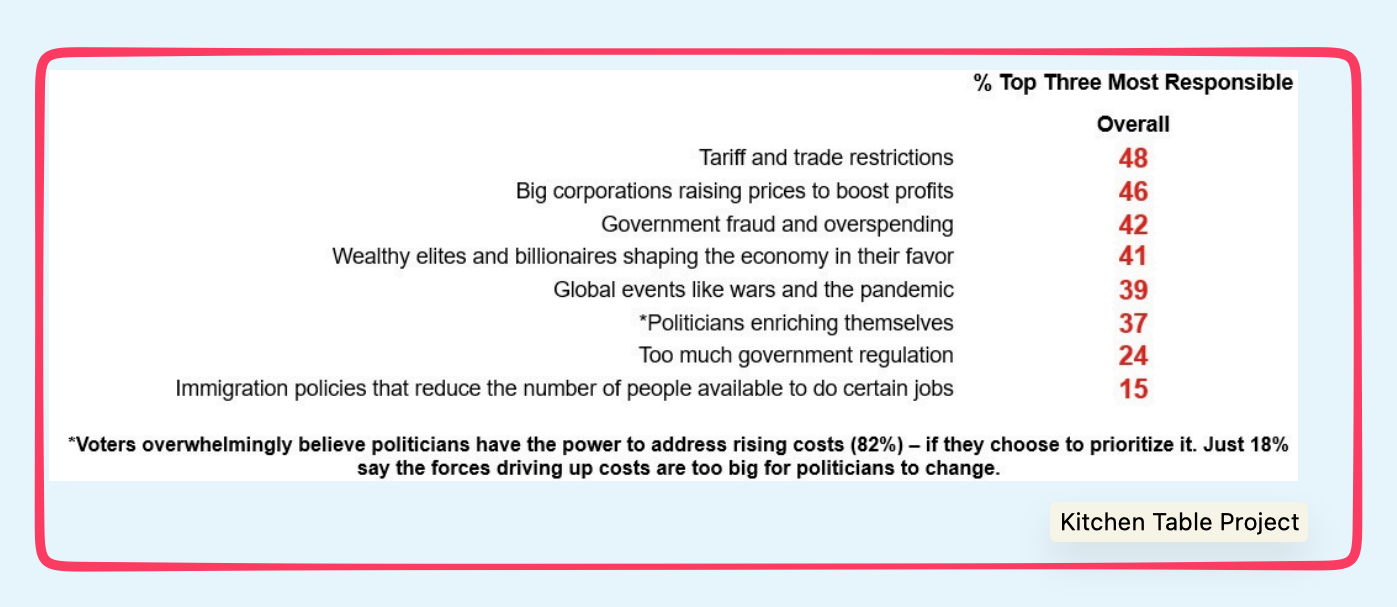
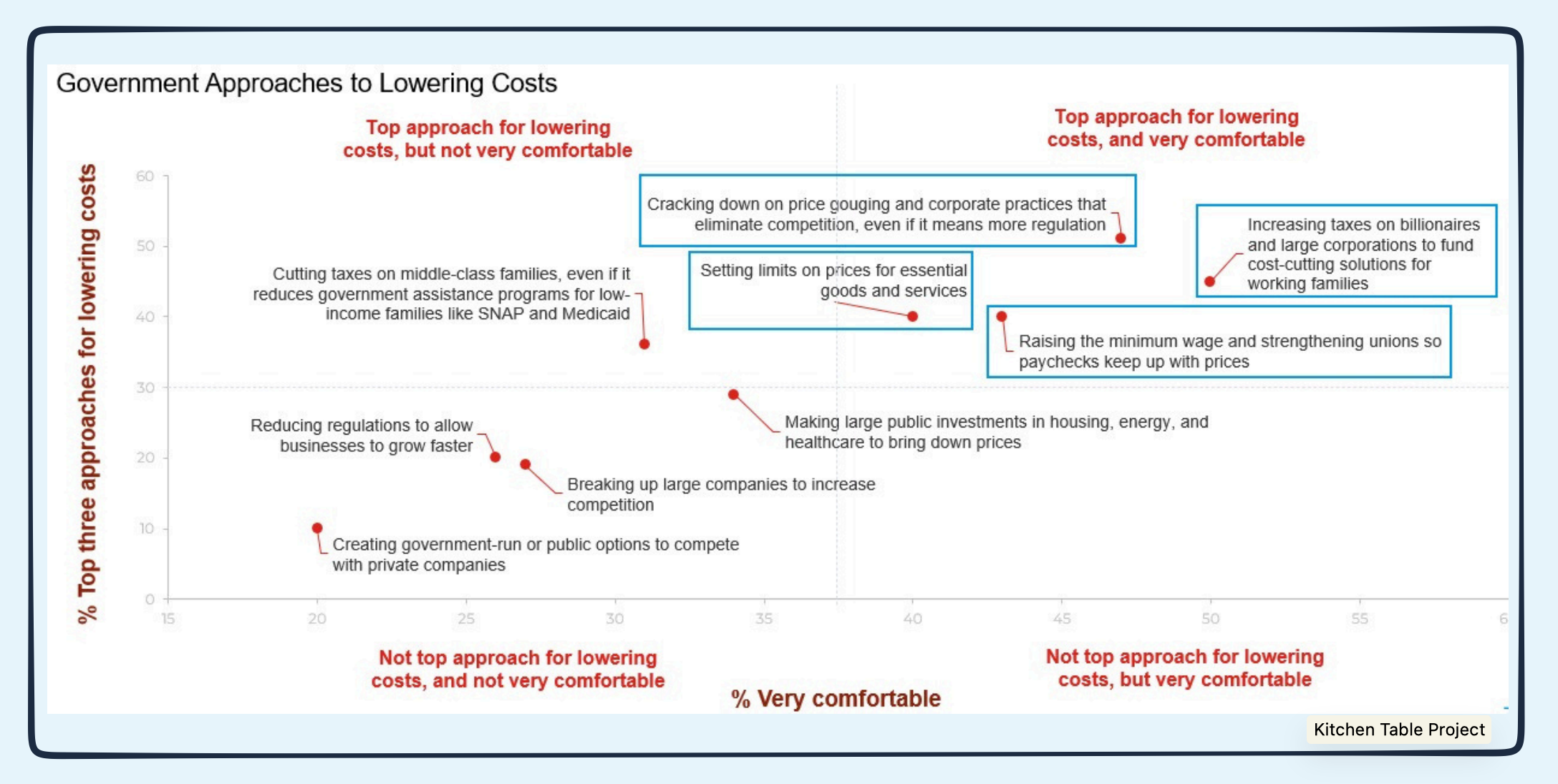
I was concerned with solutions that required a price cap on competing government entities:
Our Bottom Line: Causes of Inflation
When economists explain the rising prices that many of us call inflation, they say the cause could be “demand pull,” or “cost push, or a single commodity. On the demand side of markets, when too many of us have lots to spend, we bid prices higher. Somewhat similarly, cost push inflation takes us to more expensive land, labor, or capital. And, for that single commodity, the perfect example is how the Iran War first elevated crude oil, then gasoline prices, and finally it nudged many other prices skyward. In addition, we should note that a group of economists called the monetarists attribute inflation primarily to an excessive money supply.
As for right now, University of Michigan economist Justin Wolfers suggests we might continue worrying about the spread between our wage increases and rising prices because tariffs cause the cost push inflation that reduces our spending power. Confirming his concern, the Economic Research Service at the USDA predicts that all food prices will increase by 3.2%.
My sources and more: Yesterday’s NY Times Opinion section inspired today’s post. From there, we discovered the Kitchen Table Project. And finally, the U.S. government provided some helpful statistics.
Please note that several of today’s sentences were in a previous econlife post.