![econlifelogotrademarkedwebsitelogo[1]](/wp-content/uploads/2024/05/econlifelogotrademarkedwebsitelogo1.png#100878)


Our Weekly Economic News Roundup: From Leaf Blowers to Blueberries
September 26, 2026
The U.S. recently reported the dollar cost of the Iran War. At $43 billion, it includes operations and materials
Iran War Spending
Operations
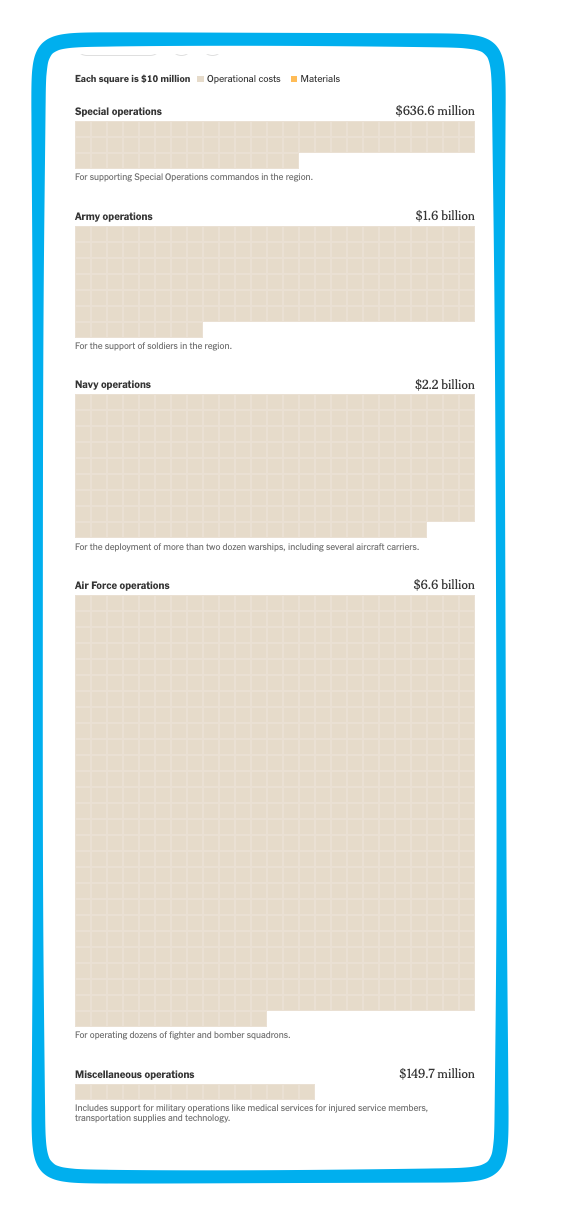
A breakdown reveals the fighter and bomber squadrons that compose our air force operations required an estimated $6.6 billion through September 3. From there, looking at lower amounts, we have the Navy’s warships and aircraft carriers ($2.2 billion), Army operations ($1.6 billion), special operations ($636.6 million), and a miscellaneous category ($149.7 million).
Estimated operations spending:
Materials
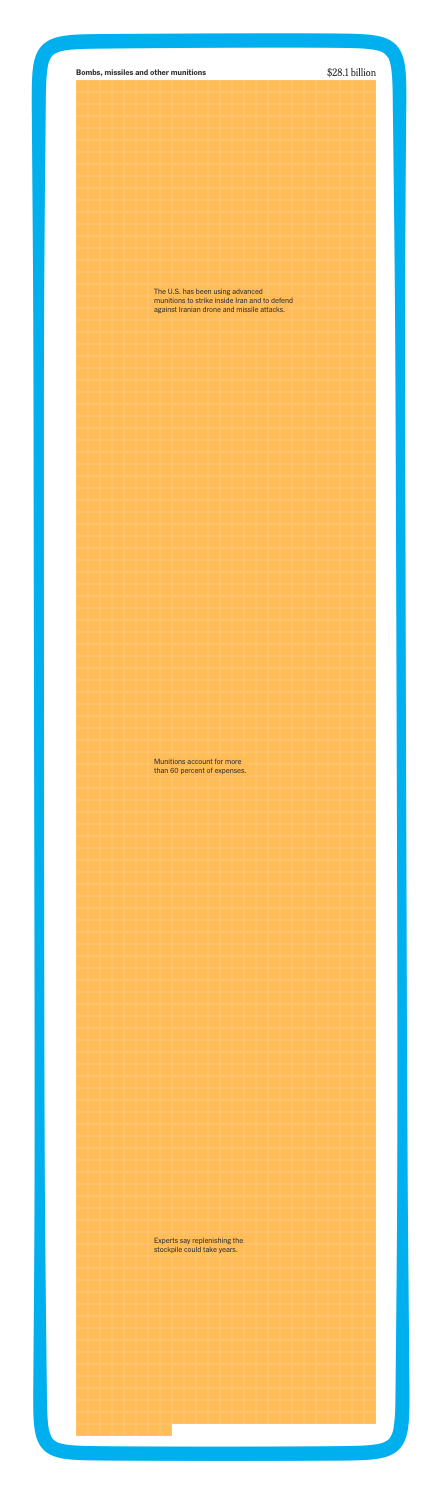
Meanwhile, munitions like bombs and missiles cost a whopping $28.1 billion:
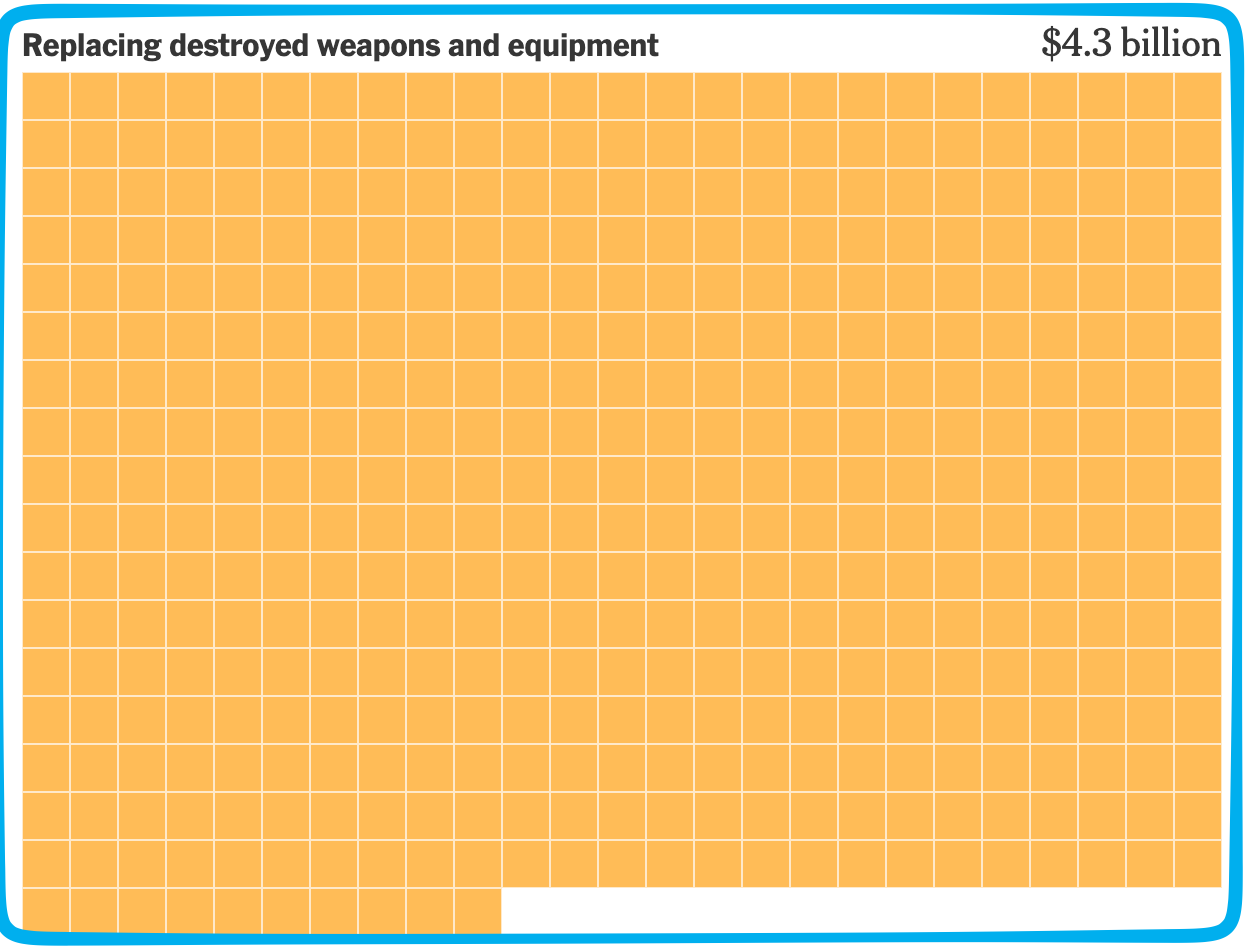
Then, replacing demolished weapons and equipment takes us to $$4.3 billion:
Other Wars
The American Revolution
Having declared independence in 1776, the new American nation had to supply an army of (plus or minus) 22,000 men with gargantuan amounts of food, bayonets, and candles. Also, they needed more salt (to preserve food), guns, gunpowder, textiles, and even a 35,000-barrel, five-month supply of flour for the French troops that assisted them. In addition, the army (and its horses) devoured blankets, wood, rum, hay, and oats.
How to pay for it all? The Continental Congress simply printed money—close to $200 million Continental dollars between 1775 and 1779. In addition, bond sales generated cash as did states with their own currency. Maryland reported using 60 percent of its budget on military supplies.
World War II
During the 1930s, the invention of the GDP changed war funding
Then, by figuring out how much we could produce, policy planners calculated our wartime mobilization.
Saying we had to become the “arsenal of democracy,” President Roosevelt initiated the wartime economics that diverted civilian production to the military. His economic planners, led by Nobel Laureate Simon Kuznets, had to know, for example, how much steel and aluminum they needed to produce fighter planes, tanks, and ammunition.
As President Roosevelt explained, “…Our war program for the coming fiscal year will cost $56 billion, or, in other words, more than half of the estimated annual national income. We shall produce 60,000 planes…We shall produce 25,000 tanks…We shall produce 55,000 anti-aircraft guns. We must convert every available plant and tool to war production.”
Our Bottom Line: Scarcity
Defined as limited quantities, scarcity is the reason we have economics. Because the quantity of our goods and services is scarce, deciding what to produce and who gets what, requires tradeoffs. Producing more of one item means less of the other. If I use my land for barley, I cannot plant wheat in the same place.
Similarly, wars need a reallocation. When I switch the land, labor, and capital I used for civilian autos to military airplanes, I have less of one and more of the other.
Unknowingly, President Roosevelt was talking about scarcity and tradeoffs.
My sources and more: Thanks to The NY Times for its Iran War cost data and today’s graphics. Then, Episode 15 from Economics USA, focused on WW II, and Radical Hamilton had the Revolutionary War facts.