![econlifelogotrademarkedwebsitelogo[1]](/wp-content/uploads/2024/05/econlifelogotrademarkedwebsitelogo1.png#100878)

How To Imagine a Trillion the Right Way
June 16, 2026
Why Is Monopoly More Than a Game?
June 18, 2026
Disrupted since February 28th, the links in the oil supply chain could take months to restore when the Iran War ends.
Let’s take a look.
The Oil Supply Chain
Before the war, close to 108 ships passed through the Strait of Hormuz each day with as many as 21 carrying oil. Now, with traffic down to a trickle, hundreds of trapped vessels will want to exit:
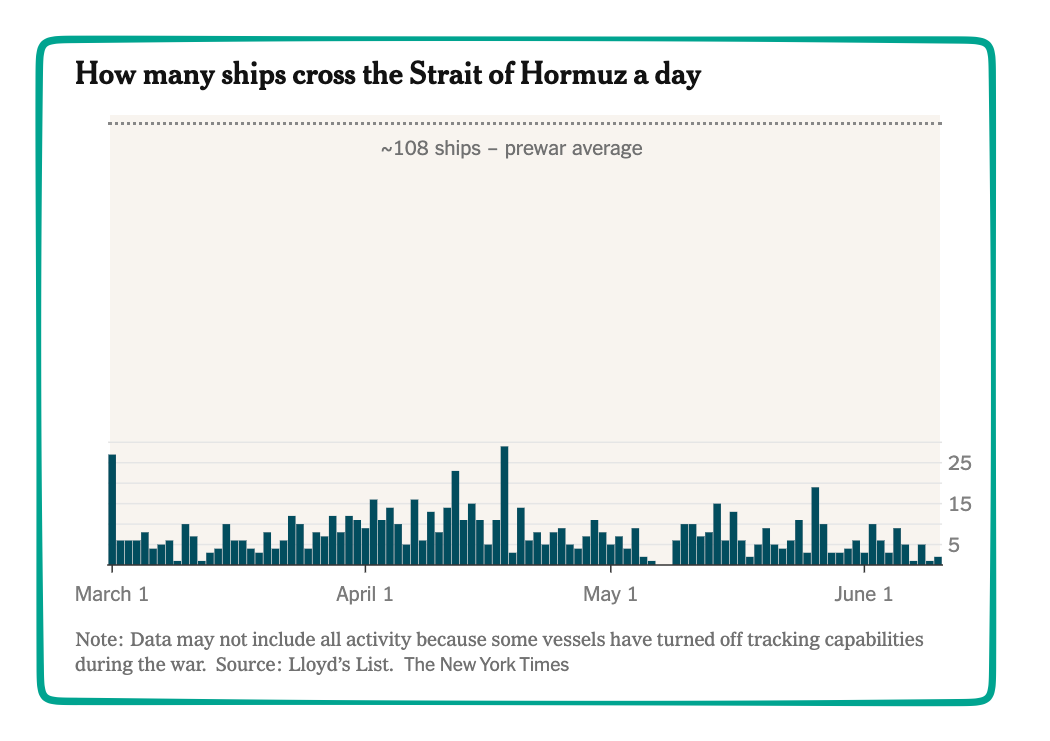
But first, they will need a convincing mine sweeping initiative. At the same time, vessel and cargo owners will be re-negotiating their insurance contracts.
Also at the same time, oil companies will resume extraction from wells that had shut down. In addition, they will start restoring refining capacity at plants that had suspended production. Meanwhile, they will repair other damaged facilities. As for transport, once the Strait opens, a slew of vessels that are in the wrong place around the world will need repositioning.
For everyone, it all adds up to what Maersk, the massive shipping company, said. With five ships that are stranded in the Gulf, they said logistics remained unsure at the moment.
However, we do know definitely that the return to normal will take a long time. Including mine sweeping, facility repair, insurance negotiation, and repositioning vessels, almost every link in the oil supply chain will be affected.
Our Bottom Line: Supply
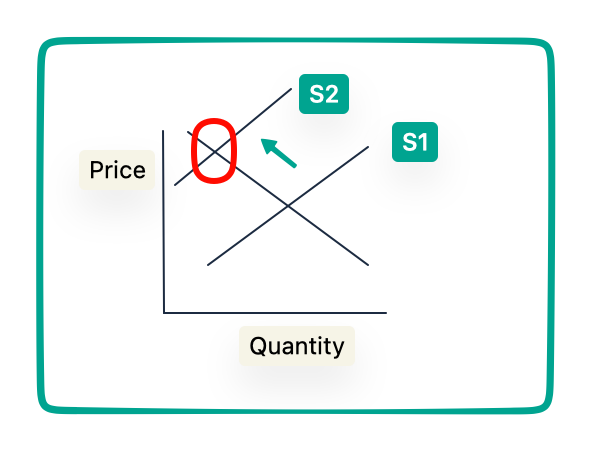
As economists, we know that our supply curve shifted. With 20% of the world’s oil supply affected, it moved to the left. My red oval takes us to the new equilibrium price:
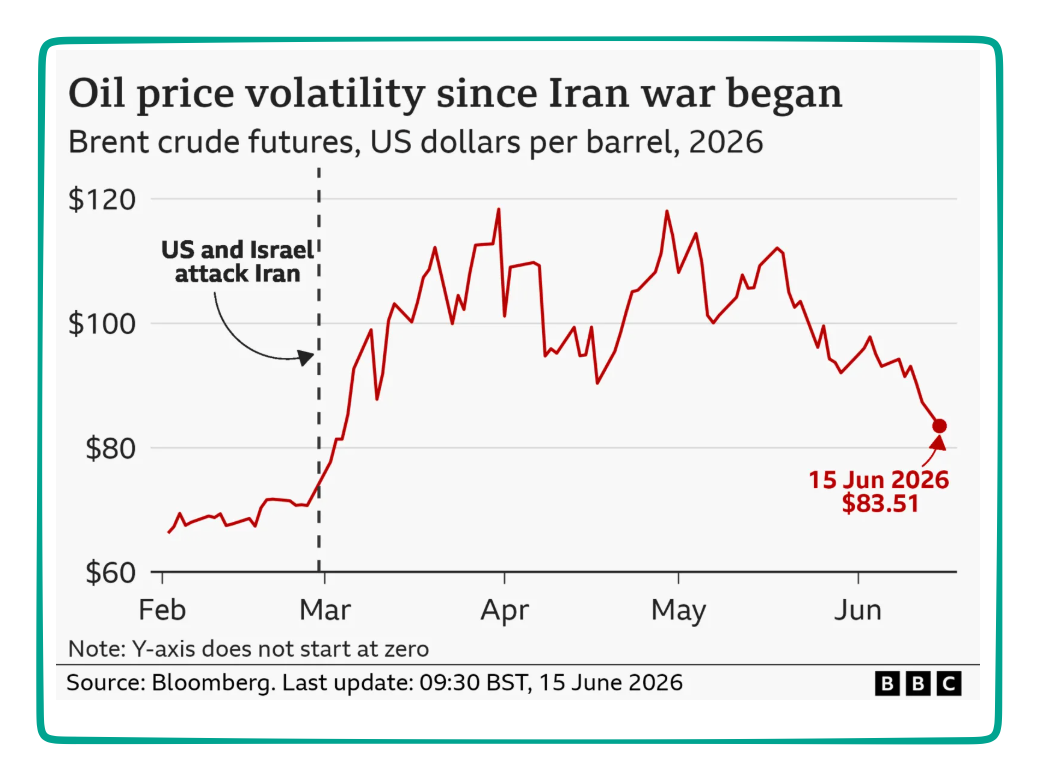
Our supply and demand graph shows one oil price. We could say it was the high when Brent crude futures touched $126.41. Continuing to sink, yesterday, Brent oil futures, traveled between $78 and $79 a barrel:
Indeed, as we have seen in the past, and now with the oil supply chain, the closer we look, the more we see:

My sources and more: Our first step was a Reuters summary of the oil supply chain. Then, looking for the assorted supply chain facts that each article expressed, we went here and here and here. And finally, the NY Times focused on the Strait’s shipping traffic.