![econlifelogotrademarkedwebsitelogo[1]](/wp-content/uploads/2024/05/econlifelogotrademarkedwebsitelogo1.png#100878)


Our Weekly Economy News Roundup: From SpaceX to Social Security
June 13, 2026
The McDonald’s Coca-Cola Connection
June 15, 2026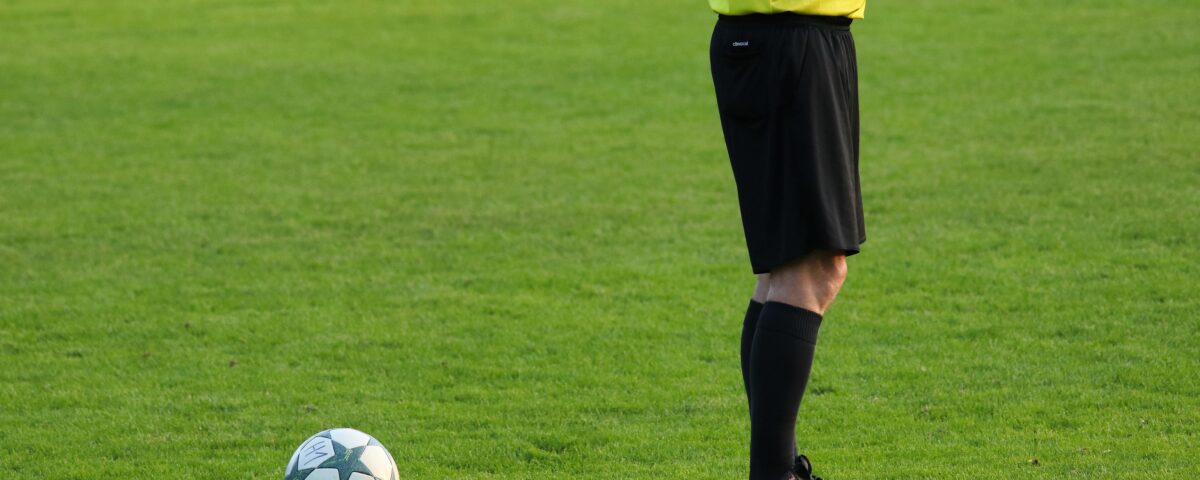
In addition to the players, referees have to perform optimally.
It is all about human capital.
World Cup Referees
We can begin with FIFA selecting and then monitoring potential referee candidates. They get games information from former referees and instructors. In addition to agility and strength, a referee has to be able to do “40 timed 75m sprints, with only 18 seconds of recovery.” They have to accept FIFA’s monitoring them with tracking devices. One candidate said, “They knew every time I accelerated and decelerated.” Furthermore, candidates had their sleep data and response to stress measured.
Hoping they qualify, referees tensely wait for the World Cup phone call. Once selected, the stress continues at each match. One referee had to decide what to do in 1998 when the Iranian team refused to follow protocol and shake hands with the U.S. team. Instead, the U.S. team approached. They also need to respect cultural differences and deal with famous players.
Referees say they have “three tournaments within the tournament” for which they want to be chosen. First they have the group stage, then the semi-finals and the finals, and perhaps a knockoff round.
Our Bottom Line: Human Capital
According to four economists, there is still more.
Paying Attention
Defined as our stock of knowledge, our human capital increases when we absorb more information. But our ability to use our human capital can depend on our store of attention.
In a recent paper, four economists concluded that attention is a depletable resource. Looking at three million decisions made by 127 home-plate umpires, they decided when we have more and when we have less. But like the money in a bank account, we can budget what we use up. Umpires can minimize the number of incorrect calls by wisely allocating their attention. After a period of intense attention, less remains. For that reason, subsequent decisions are more inaccurate. But then researchers confirmed that our store of attention can be replenished. The key is to have enough attention for the most important moments in a game.
Essentially then, during every game, our FIFA referees have a depletable stock of attention that is a part of their human capital.
Indeed, for all of us, paying attention has a cost.
My sources and more: With World Cup here, I returned to this econlife. Focusing on the referees, it took me to this excellent Guardian article. Combined with the NBER paper on paying attention, the two analyses had the ideal synergy.
Please note that several of today’s sentences were in a past econlife post.