![econlifelogotrademarkedwebsitelogo[1]](/wp-content/uploads/2024/05/econlifelogotrademarkedwebsitelogo1.png#100878)


When AI Meets the Prisoner’s Dilemma
August 2, 2026
Why Spider-Man is Cool
August 4, 2026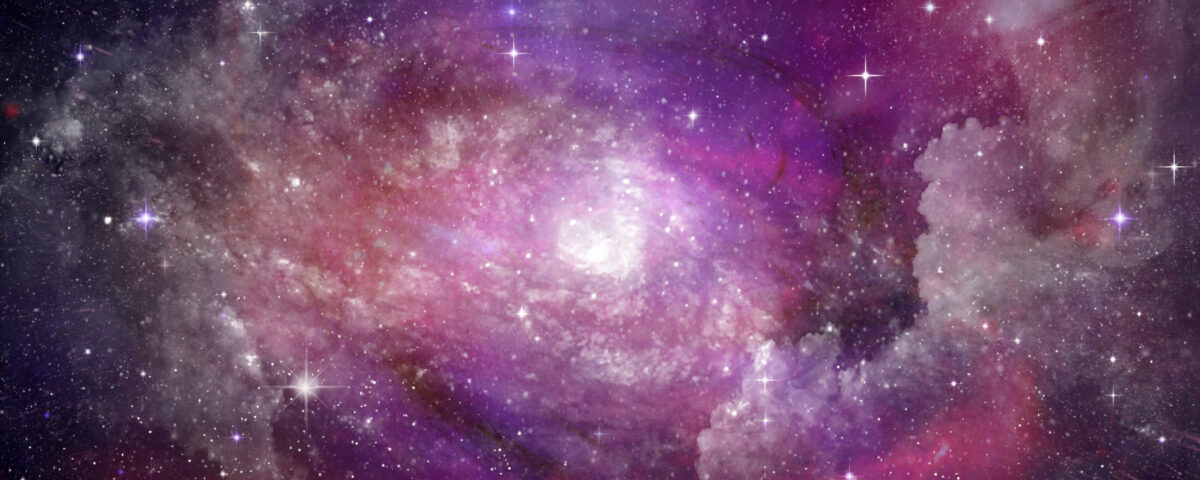
This “space ball” of rocket debris recently landed in Australia:
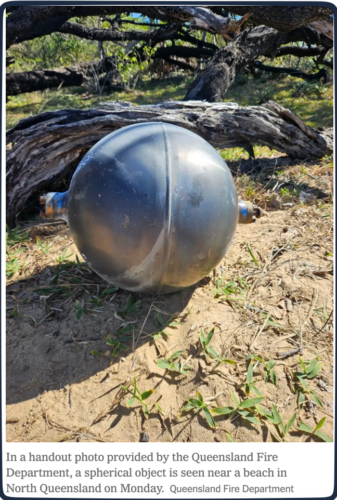
The junk from nearly 16,000 dying satellites and the 300 rockets we launched last year is supposed to incinerate when it enters the earth’s atmosphere.
But not necessarily.
Like the Australian space ball, a Naples Florida home was hit in 2024 by a particle from the 5,800 pounds that the International Space Station discarded. In addition, we could have included Poland and Kenya and Spain in our list of crash sites. According to the FAA, every day space debris falls to earth.
So yes, space junk is a concern.
Space Debris
In 2021, a piece of space junk “whacked” a Chinese military satellite. While the satellite appeared not to have been destroyed, the smashup spawned at least 37 debris objects.
Or, as the Kessler Syndrome explains, space debris replicates itself. Through a chain reaction, as a ripple of successive collisions, space trash creates new space trash. Scientists worry that the Kessler syndrome will so clutter space that it hampers travel.
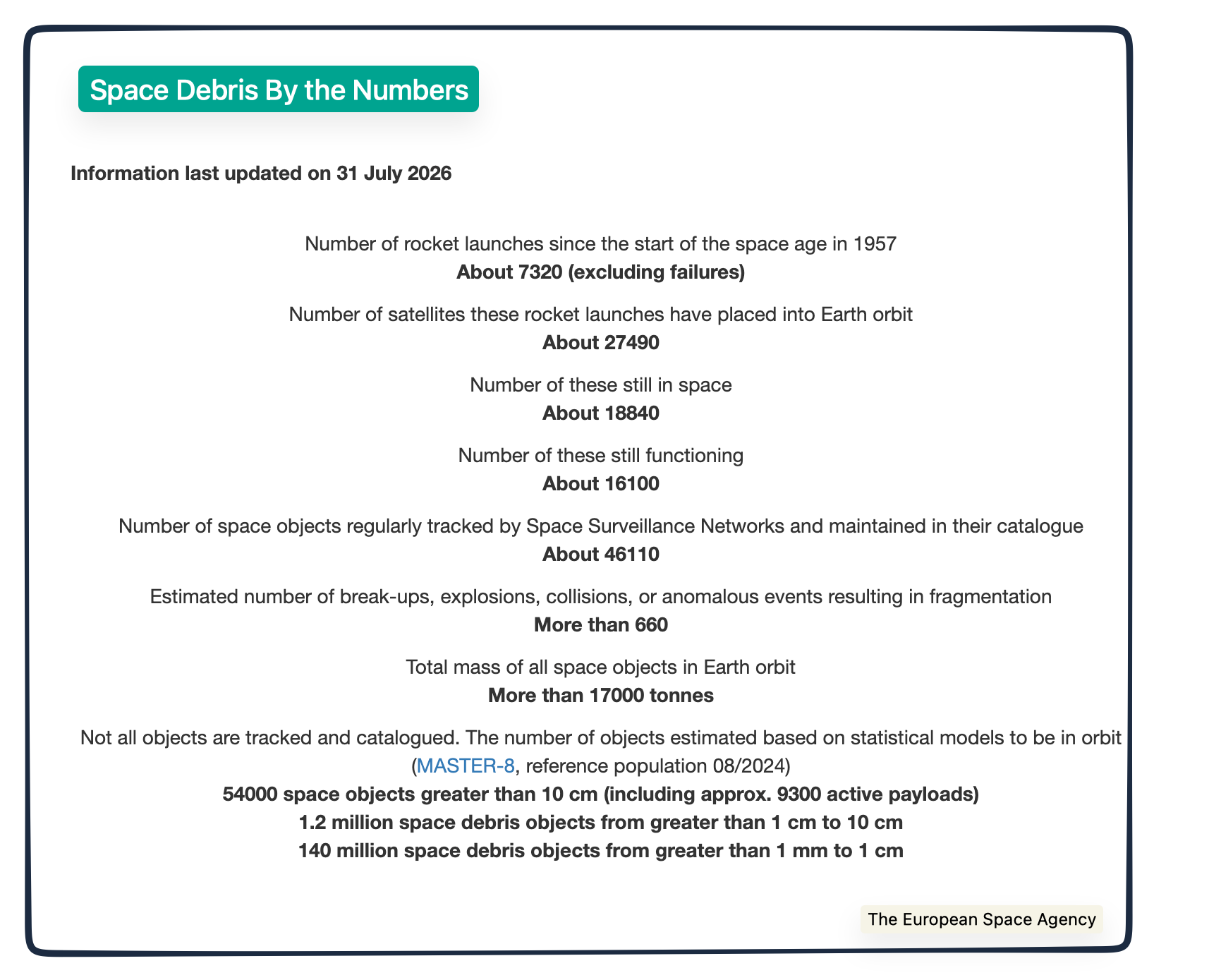
As a result, we can expect that the proliferation of this space debris will lead to a whopping number of collisions:
Our Bottom Line: The Tragedy of the Commons
The problem is that we have not quite figured out how to regulate the mess in space. In an FAA proposal that the Trump Administration just withdrew, companies like SpaceX with 10,000 orbiting satellites and many more to come would have had to remove old spacecraft from orbit.
At this point, the tragedy of the commons enters the picture. Whether looking at air pollution, an overgrazed pasture or space trash, people have the incentive to abuse publicly shared resources. Privately benefiting from our behavior, we tend to ignore the impact of everyone using the resource together. The result is a tragedy of the commons.
And the reason we worry about space trash.
My sources and more: Today’s inspiration and some of our facts came from this NY Times article. I also looked at this econlife on space debris and this on space lawyers. From there, we checked two space debris stories, here and here and went back to a post with NASA information here, here and here. Also, the European Space Agency had lots more statistics. But I was most fascinated by the ProPublica description of the withdrawn regulatory proposal.
Please note that several of today’s sentences were in a previous econlife post.