![econlifelogotrademarkedwebsitelogo[1]](/wp-content/uploads/2024/05/econlifelogotrademarkedwebsitelogo1.png#100878)


Are More Married Women Breadwinners?
August 26, 2026
Why We Need a Big Mac and a Tall Latte
August 28, 2026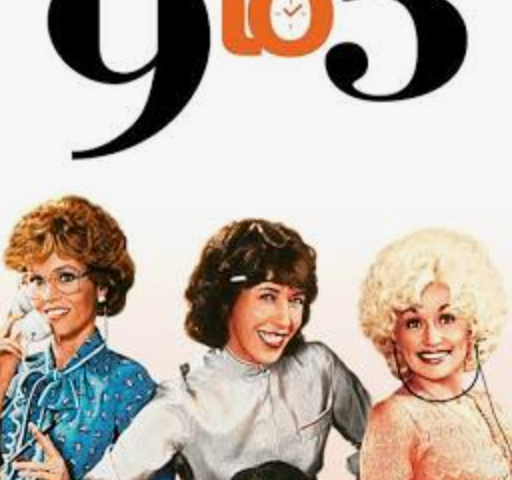
Hearing the sad news about Dolly Parton, I decided to watch “9 to 5,” one of her classic movies. When asked if I preferred a purchase or rental, I “bought” the movie. Because the rental was $3.99 and the purchase price, $4.99, my decision was a no-brainer.
A Pricing Strategy
During the 1990s, a bread baking machine became an economic legend.
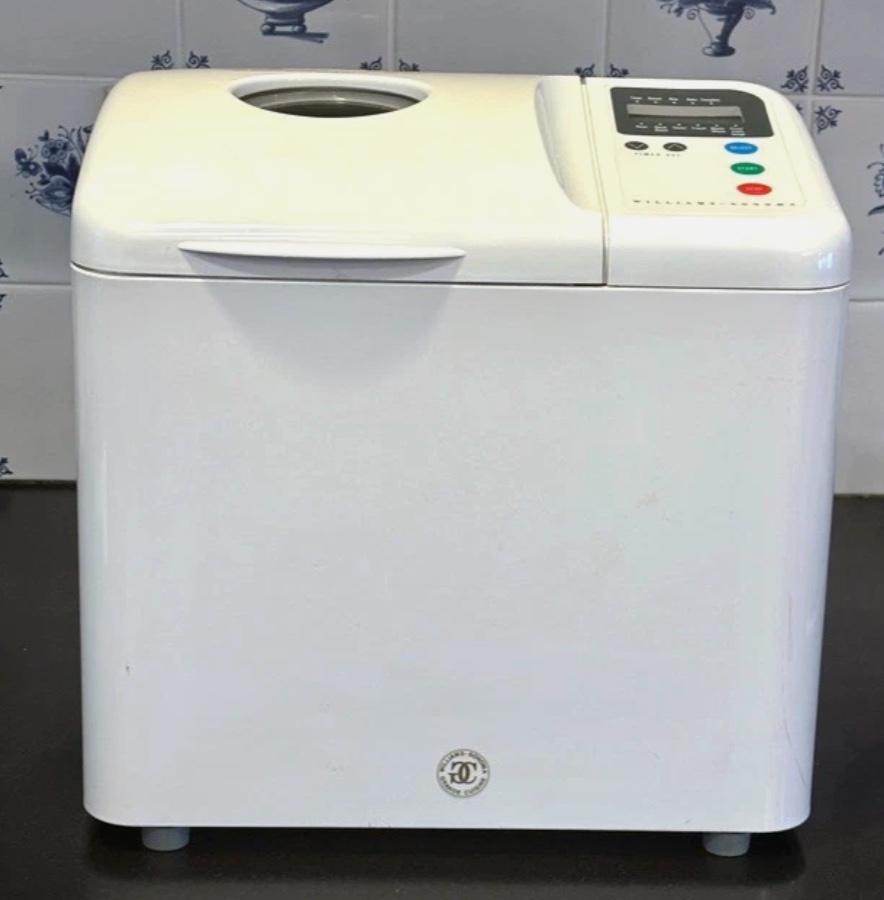
Using a kitchen device to make a loaf of bread was a new idea 30 years ago. So, when Williams-Sonoma introduced one of the first bread-making machines, consumers did not know how to judge its $275 price tag. After a tepid start, the company added a fancier $429 machine that was supposed to boost sales. It did. But not how they expected.
The $275 appliance sold like hotcakes.
One of the first bread-making machines (from eBay):
Behavioral economists said it was all about anchoring.
Our Bottom Line: The Anchoring Effect
Economics Nobel Laureate Daniel Kahneman (a psychology professor) observed that the first fact we hear influences subsequent decisions. Assume, for example, that after being told a jar has 500 jelly beans, we are asked to guess the number of candy bars in another container. Based on Dr. Kahneman’s experiments (described in Thinking Fast and Slow), people who are told the first jar has 200 beans instead of 500 answer the second question with a lower number. The reason? The first jar became an anchor that biased the second answer.
At the gas station, we think $3.00 a gallon is a lot when the previous week we paid $2.75. But the same amount looks much better when we recently paid more. In the same way, a student’s 90 does not look as good if her previous exam was a 95. But it is great when she had a 70 beforehand.
For the Williams-Sonoma bread-baking machine, $429 became the anchor that biased consumers’ opinion of the $275 price tag. Sales soared because they knew they had a good deal.
Somewhat similarly, a rental price is usually my anchor when I decide whether to buy a film.
My sources and more: The St. Louis Fed told us more about anchoring. Also, I recommend Nobel laureate Daniel Kahneman’s Thinking Fast and Slow.