![econlifelogotrademarkedwebsitelogo[1]](/wp-content/uploads/2024/05/econlifelogotrademarkedwebsitelogo1.png#100878)


Why We’re Scrambling to Buy Cheaper Eggs
June 22, 2026
Why the Dow Is More Than an Average
June 24, 2026
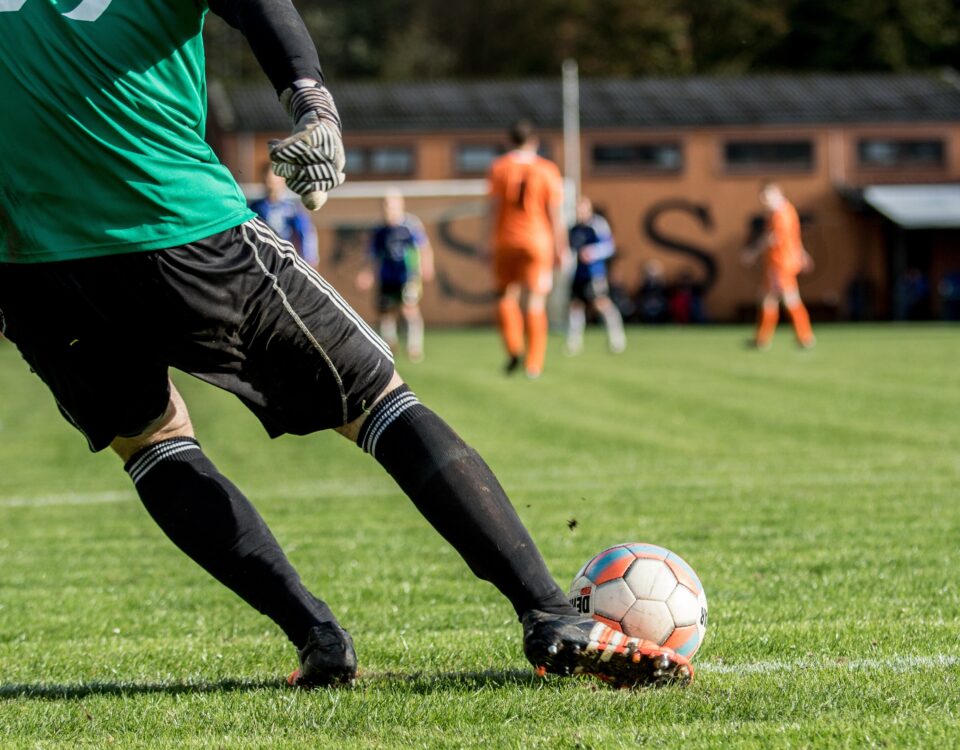
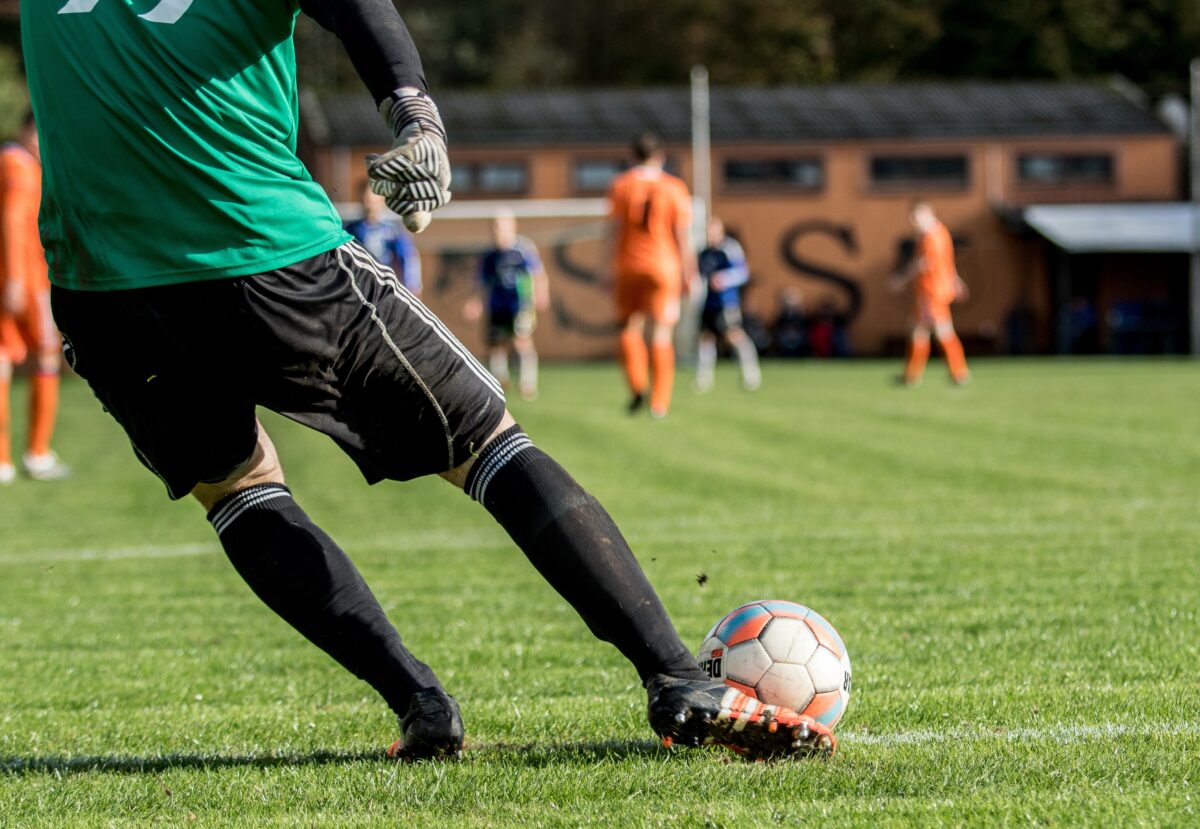
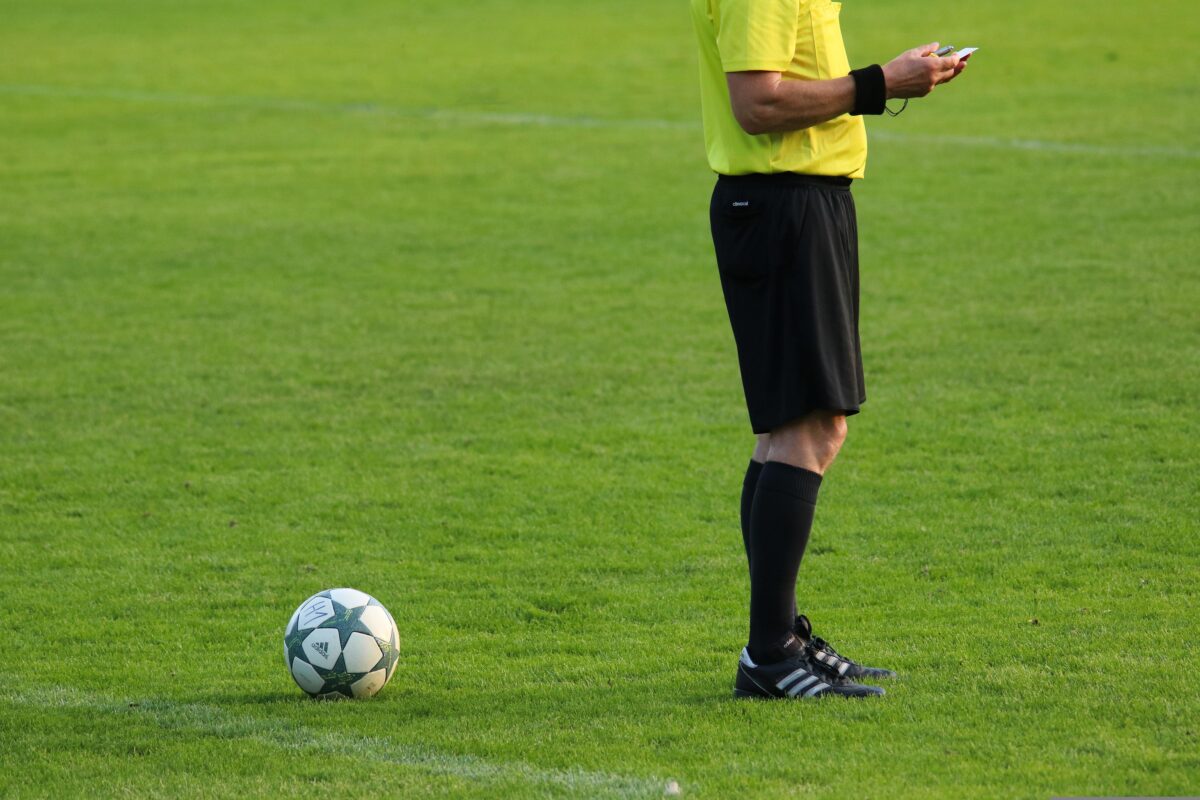
For the first time, we can expect mandated hydration breaks at all World Cup games.
Lasting for 4 minutes and 20 seconds, the breaks take place midway through each half.
The decision is controversial.
World Cup Hydration Breaks
The World Cup’s newly mandated 4 minute 20 second hydration breaks create the potential for eight extra 30-second ad slots per match. Because ads can begin 20 seconds after the three minute break starts and have to end 30 seconds before play resumes, we could wind up with a total of 832 for the entire competition.
During the breaks, in the U.K., the BBC and ITV will present game commentary as will Telemundo in the U.S. Elsewhere, viewers will probably watch ads. In the United States, Fox sells 30 second commercial spots for somewhere between $200,000 and $300,000. But the slot could cost a whopping $750,000 for U.S.A matches and the finals.
Some say the players and fans need a refueling break, especially on hot days. Many others, though, object to the “money grubbing” disruption.
Hydration History
Hydration is a rather recent concern. For years, no one believed you should drink before exercising. Sloshing around in our belly, the water was supposed to slow us down. Then though, at the University of Florida, a coach complained that the heat and humidity were exhausting his Gators. The players felt better after drinking some water, salt, and sugar that, combined with lemon juice, eventually became Gatorade.
It also became known as hydration. As an invented idea, hydration is different from thirst and the signals that say we should consume a drink. Told that it gives us supple skin, healthy kidneys, and prevents constipation. we hydrate all the time, even when we are not thirsty.
Our Bottom Line: Demand
Explaining the phenomenon, an economist would see an increasingly affluent consumer that was concerned with health and exercise. As a good that (reputedly) enhanced each activity, water was a complementary item. On a graph, we could say that as the demand for wellness and exercise grew, so too did the demand for bottled water that further escalated with the development of plastic bottles.
The red line illustrates the pop in demand for bottled water:
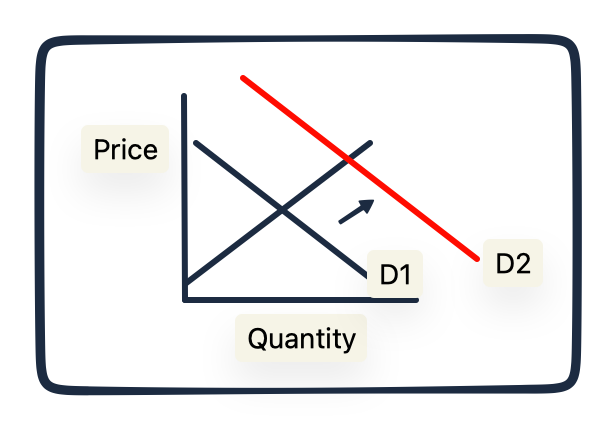
Similarly, the World Cup hydration rule not only generates more demand for water, energy drinks, and juices, but also, as a FIFA sponsor, Coca-Cola is smiling.
My sources and more: Thanks to the BBC’s World Business Report podcast for alerting me to the economics of hydration breaks. From there, looking for more detail, we found the facts here. Next we returned to our econlife post on inventing hydration. Together, our World Cup hydration and its history gave us the perfect synergy.
Please note that several of today’s sentences were in a past econlife post.