![econlifelogotrademarkedwebsitelogo[1]](/wp-content/uploads/2024/05/econlifelogotrademarkedwebsitelogo1.png#100878)


Why Egg Gluts Won’t Last
October 4, 2026
Do We Have More Remote Work Babies?
October 6, 2026
Among the 4,000 or so colleges in the U.S., an increasing number could soon close.
This is the story.
College Finance
Revenue
Since COVID, we have 100 fewer colleges and might soon be at 220. As small private nonprofit institutions, the stressed schools depend on tuition for their revenue. Since that tuition depends on applications from high school graduates, we have our first problem.
Plunging by 13 percent, the number of high school grads is down. Then, compounding the slide in demand for freshman class slots, fewer international students have come here for school. And making it still worse, adult return-to-school applications that rise during recessions are down because of the strong employment environment. So yes, fewer students mean less tuition. But then, they accelerated the revenue dip with discounted tuitions that were supposed to attract more students.
Expenses
Furthering the crunch, during the past decade, schools expanded their campus plant with borrowed money. Now, the debt they have to service compounded their financial distress, as have inflationary costs.
Even for larger institutions like Syracuse University and Penn State, it has all added up to considerable concern. Meanwhile, Hampshire College said its doors will close this semester.
Our Bottom Line: Supply and Demand
Called a death spiral, the problems faced by the smaller nonprofit schools fuel each other. When less revenue diminishes what they can spend to attract students, they wind up with even less tuition revenue.
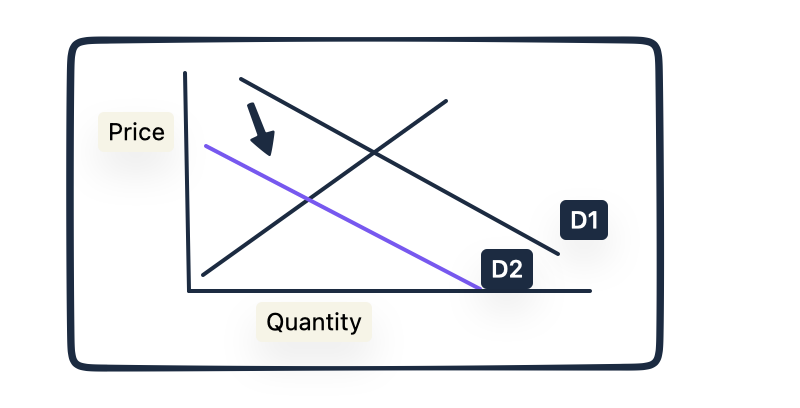
As economists, we can draw the “death spiral” faced by the educational small nonprofits with a supply and demand graph. On the graph, instead of a dollar price, equilibrium represents the “price of admission.” Referring to admissions standards, we can list grades, extracurricular activities, and test scores. Meanwhile, our x-axis is the quantity of spaces in the freshman class. As for the curves, the applicants were on the demand side and the college provided the supply.
So, when demand descended, so too did the “price” of admissions:
We can also see the “death spiral” through their actual numbers:
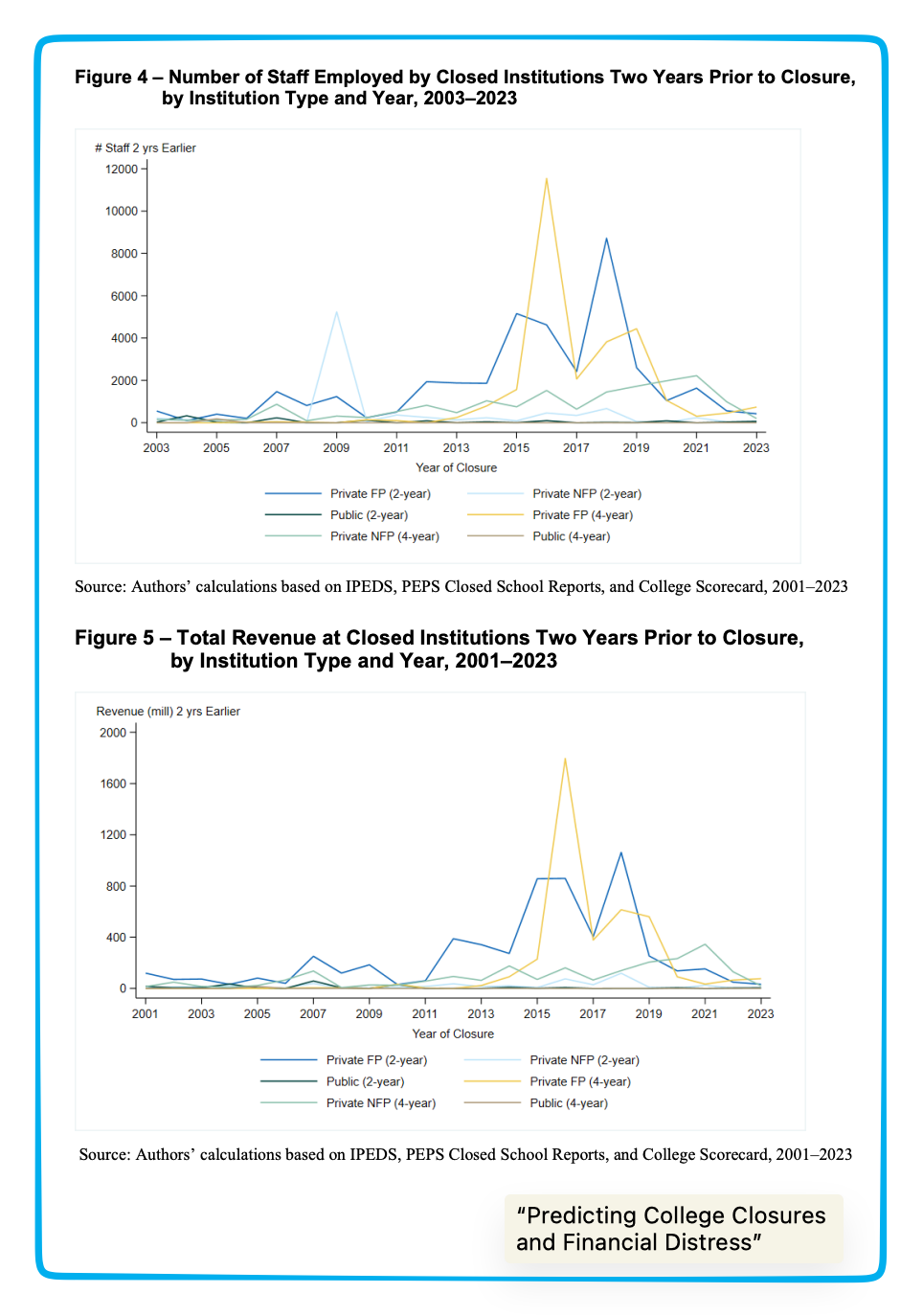
All of this returns us to the power of the market. Through a price mechanism that conveys information, markets allocate goods and services… and even close schools.
My sources and more: Thanks to the WSJ What’s News podcast for reminding me to return to college admissions (which took me back to a 2010 post). Moving from WSJ’s and the Atlantic’s overview, Vox had the one-school focus, and the Philadelphia Fed, the academics.