![econlifelogotrademarkedwebsitelogo[1]](/wp-content/uploads/2024/05/econlifelogotrademarkedwebsitelogo1.png#100878)

Where Traffic Signs Come From
September 1, 2026
How Should We Measure Global Warming?
September 3, 2026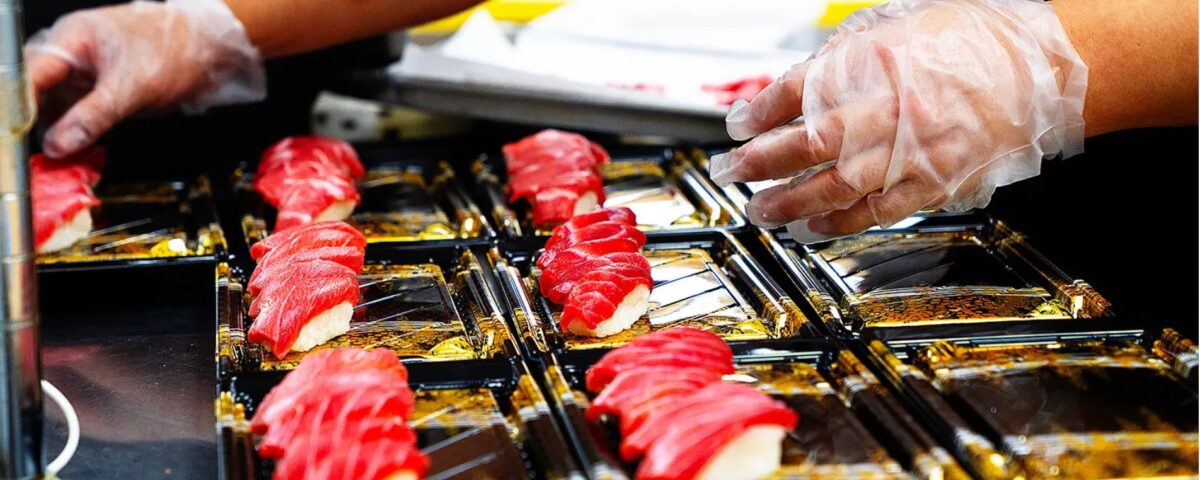
A NY Times reporter said he happily stood in 50-person lines for a half-price $6 salmon roll.
His cost, though, was much more.
Half-Price Sushi
Just before 8:00 pm, outside several NYC food markets, long lines snake around the block. Willing to wait for 30 minutes or so, shoppers leave with half-price sushi.
On the supply side, although the grocery markets break even on the sushi, they say they make their money from drinks and all else customers buy. Shoppers, meanwhile, are delighted to pay so little for dinner.
Three Kinds of Queues
For most of us, lines involve three possibilities. Sometimes we have no choice. Our queue is unavoidable. At other times we can refuse to wait. And yes, the third possibility is when we want to wait for something.
Mandatory Queues
At the airport, we have to pass through security checkpoints, and we cannot avoid the lines at government-related offices like the DMV.
Optional Queues
Research indicates that for optional stops like the ATM we will wait no more than 3 minutes. Similarly, in convenience stores, our max is 3.6 minutes. And while we will stand in a drugstore line for 8 minutes, a 2017 study reported that we get impatient after 5 minutes 45 seconds.
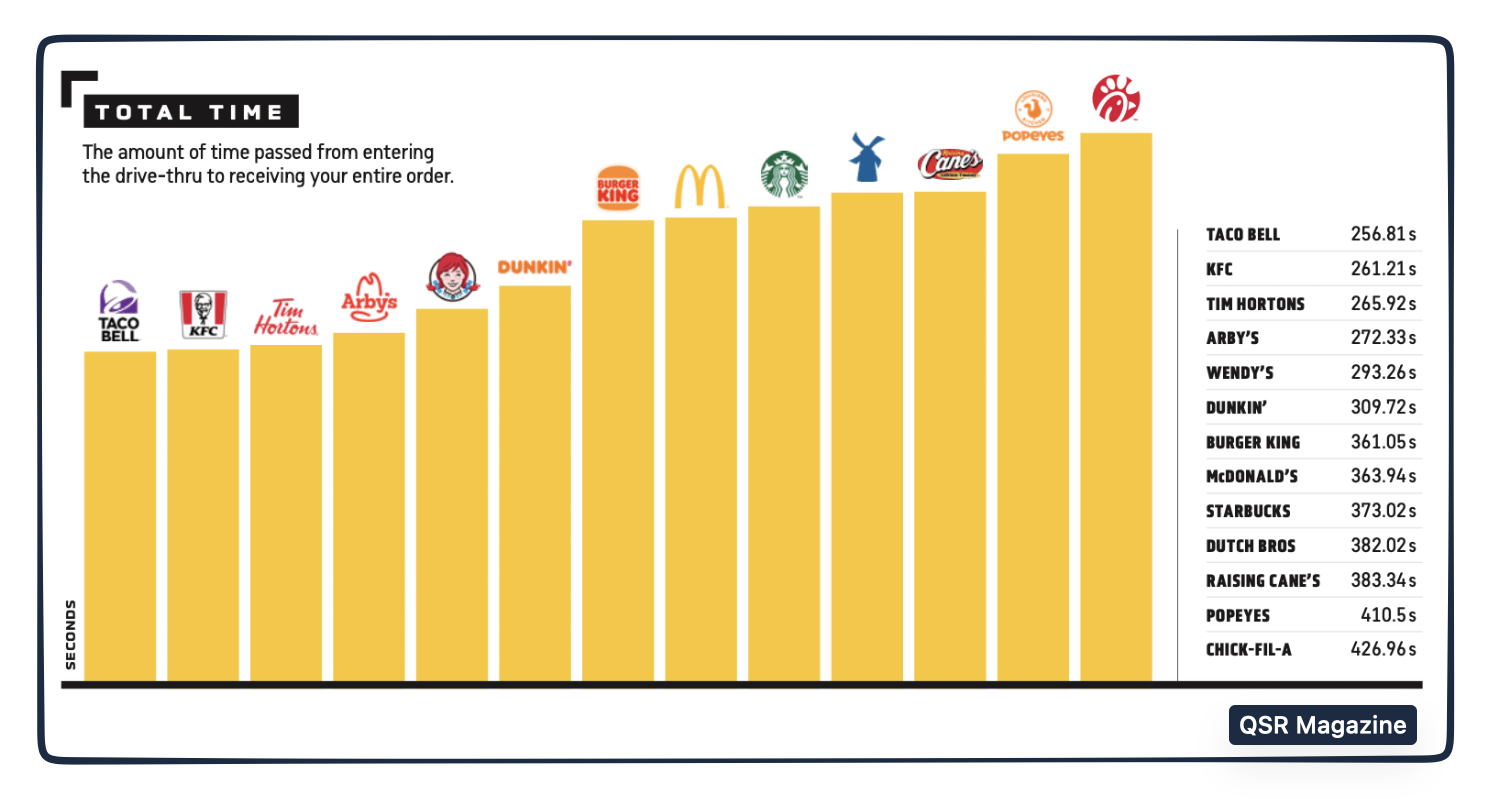
For fast food drive-thrus, according to QSR Magazine, with the number of cars averaging from .86 to 1.22, our wait time is relatively brief:
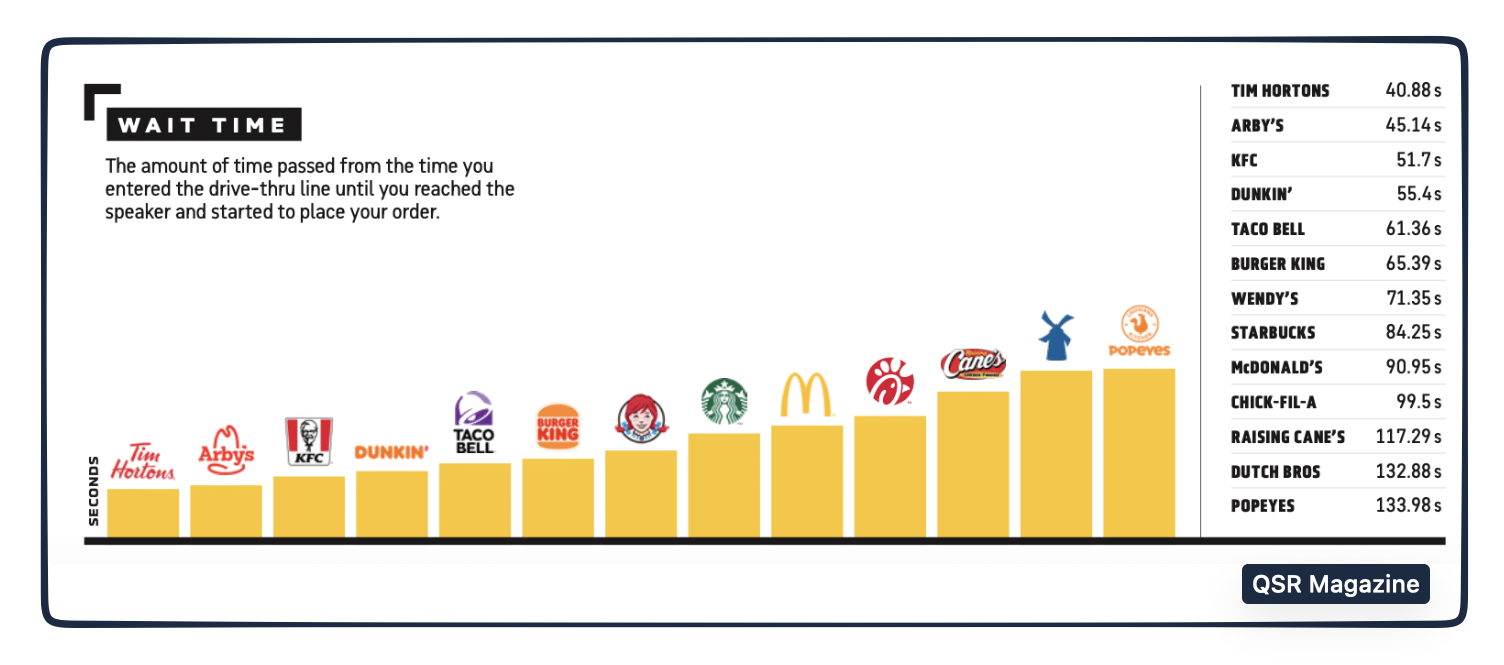
Even adding the time it takes to get our food, the wait remains relatively short:
Desirable Queues
Behavioral economists tell us that we signal something about ourselves through the queues we want to join. We could be proud to be seen in an Apple line waiting for their new iPhone. Similarly, a 20-minute wait at Shake Shack when it first opened confirmed your foodie status. One researcher found that art lovers were happy to wait an average of 59 minutes to see a Paul Gauguin exhibit.
Our Bottom Line: Cost
Defined as more than money, the cost of a decision is what we sacrifice. As a result, one cost of a queue is time. When the wait actually exceeds or just seems to exceed our expectations, cost increases. Studies have indicated that one way to feel better is having more people behind us. We get comfort and perhaps perceive less of a cost from knowing others will have a longer wait.
My sources and more: Thanks to the NY Times for its half-price sushi article and QSR Magazine for fast food wait times. Then, we returned to a past econlife for most other facts.
Please note that our featured image is Hashi Market sushi from the NY Times.