![econlifelogotrademarkedwebsitelogo[1]](/wp-content/uploads/2024/05/econlifelogotrademarkedwebsitelogo1.png#100878)


When To Ban a Fast Food Drive-Through
August 5, 2026
The Economic Side of Explosive Diarrhea
August 7, 2026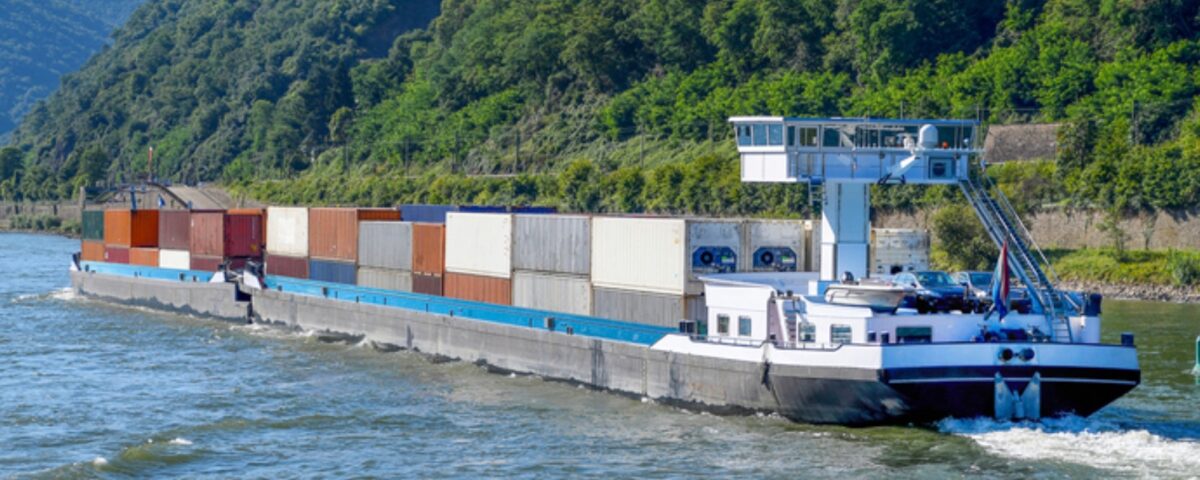
For drinking, for cooling, for freight, Hungary needs the Danube.
Low Danube Water Levels
The Danube River is at record levels-lower than ever measured.
Budapest gets most of its water from the Danube while almost half of Hungary also needs it. Responding, and hoping to avoid blackouts (for now), civilians and commercial users have cut back.
Adding to the problem, during the Soviet era, the Russians built their Hungarian nuclear power plants near the Danube. As a coolant, the river water maintains turbine temperatures. But now, in staged shutdowns, Hungary has had to turn them off: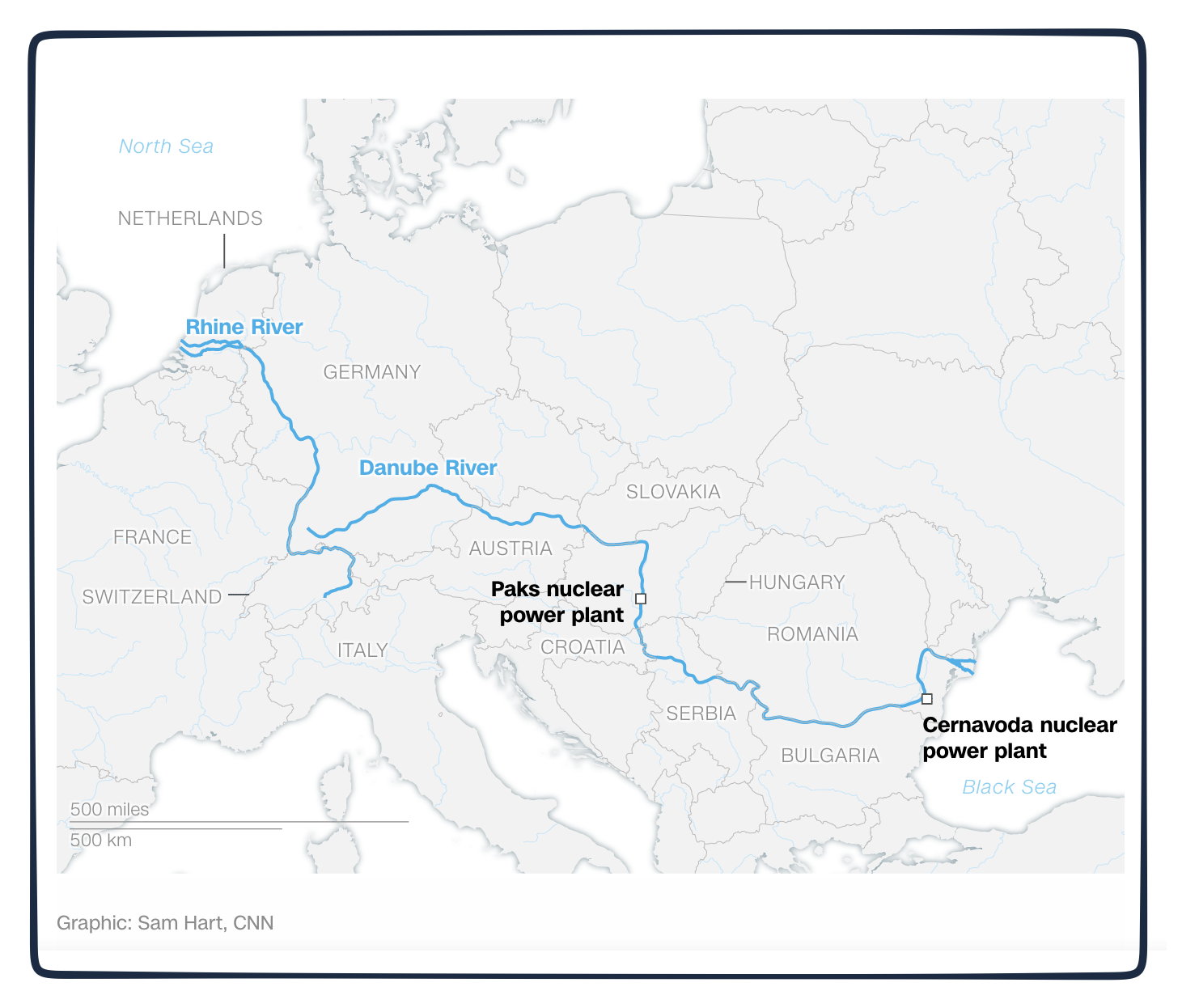
Also, affecting their workers’ jobs and wages, car and battery manufacturers are deciding whether to close down or reduce production. Furthermore, as we saw with the Rhine, commercial barge loads have shrunk.
In a podcast from one factory, the BBC described how a cargo shipping firm has been hit. For a 6,000-ton rapeseed shipment (that had been planned for months) between Serbia and Hungary, the 3,000 tons the firm had initially shipped were delayed mid-route. Stuck for at least four weeks because of low water levels, they could not even find a place to lighten the vessel. And the firm still had a crew and insurance to finance.
Our Bottom Line: The Diamond Water Paradox
Called a paradox of value, it could seem illogical that diamonds cost more than water since we need water to survive and diamonds are merely an extravagant luxury. It took close to a century for economists to have the answer.
The answer was at the margin, at the cost of the next extra unit. With diamonds, we would rather have that one extra diamond and will pay a lot for it. Economists say that the marginal utility–the extra pleasure– of that one diamond is massive. By contrast, under normal circumstances, a glass of water costs little. However, when we look at total utility, how much pleasure or usefulness all of the world’s water has–we get a very different answer. All the world’s water matters much more than buckets of diamonds.
My sources and more: Thanks to the BBC’s World Business Report for inspiring a complement to this recent post.
Please note that several of today’s sentences were in a past econlife post, and the Rhine is in our featured image.