![econlifelogotrademarkedwebsitelogo[1]](/wp-content/uploads/2024/05/econlifelogotrademarkedwebsitelogo1.png#100878)


How Will Musical Instrument Tariffs Affect Our Orchestras?
June 4, 2026
June 2026 Friday’s e-links: Becoming More Creative
June 5, 2026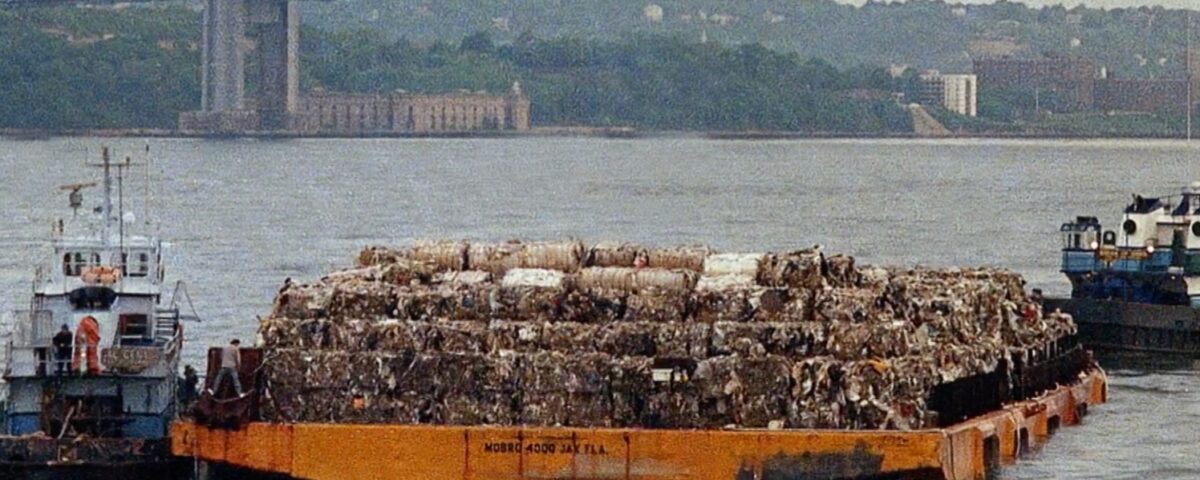
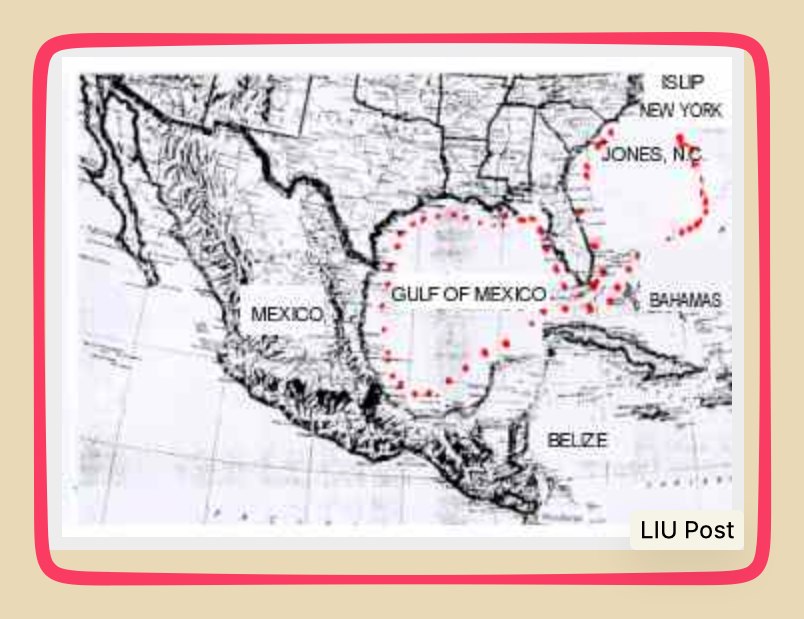
Today’s story starts in 1987 with a garbage barge called the Mobro. A group of investors hoped to make some money by turning New York’s garbage into electricity. But when the Mobro departed with the garbage from Islip, Long Island, no town inside or outside the U.S., would accept its 6 million pounds of trash. North Carolina refused it; Louisiana said no; Mexico stopped it from entering its waters. So, after 6 months and more than 6,000 miles, the Mobro returned home to Brooklyn and burned its cargo.
Stopping repeatedly, the Mobro with its Break of Day tugboat went down the East Coast and looped the Gulf:
Fiji’s Refusal
Now, 39 years later, the South Pacific’s Fiji archipelago is also refusing to become a garbage destination. In Fiji, Australian Dial-a-Dump’s Ian Malouf and Kookai label’s Rob Cromb propose to convert non-recyclable garbage into electricity. Near a new private port, they project incinerating 900,000 tonnes of waste annually. The upside is the diesel Fiji would no longer need.
However, Fiji’s ambassador to the UN summed up the Fiji response when he said his island nation, “must not become the Pacific’s ashtray.” Tainting images of Fiji’s pristine beaches, massive garbage incineration would harm its tourism business. In addition, they worried that the emissions presented a health hazard.
As a result, they said, “No.”
Our Bottom Line: Waste Generation and Disposal
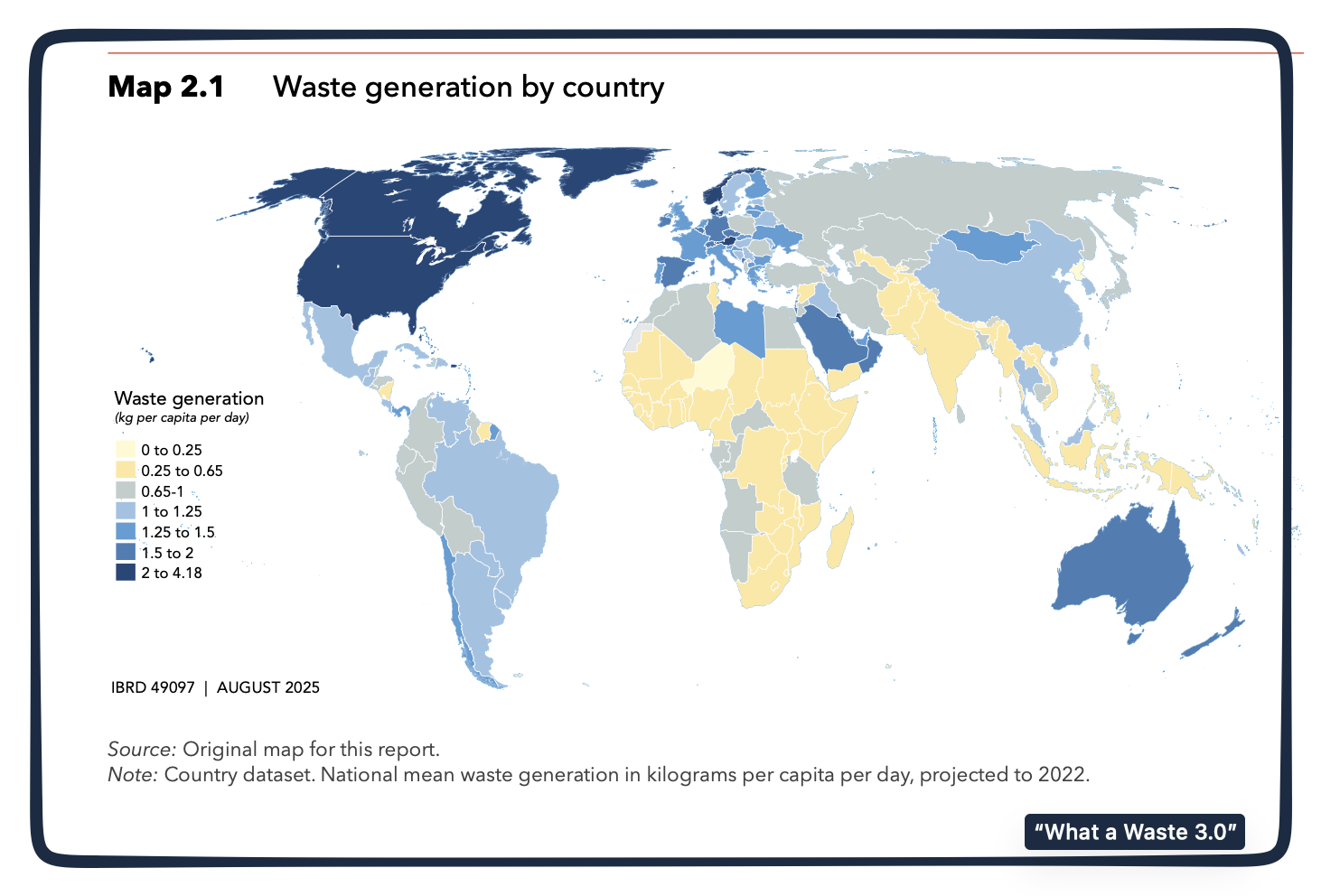
Waste Generation
You can see the U.S. and Canada are the darkest blue nations:
Waste Disposal
Whereas China had been a primary destination for the world’s waste, their increasing affluence meant they no longer needed the raw materials nor wanted the pollution. As a result, by 2021, they had banned all imported solid waste. The decision was a whopper. It created a massive shift in waste movement.
This is what China’s imported solid waste looked like in 2013:

Now, according to the World Bank’s 2026 What a Waste 3.0 report, global plastic waste shipments are down from 12.4 million tonnes in 2017 to 6.3 million tonnes in 2022. But still developed nations continue exporting waste to developing nations, with Malaysia, Indonesia, and Vietnam the major destinations.
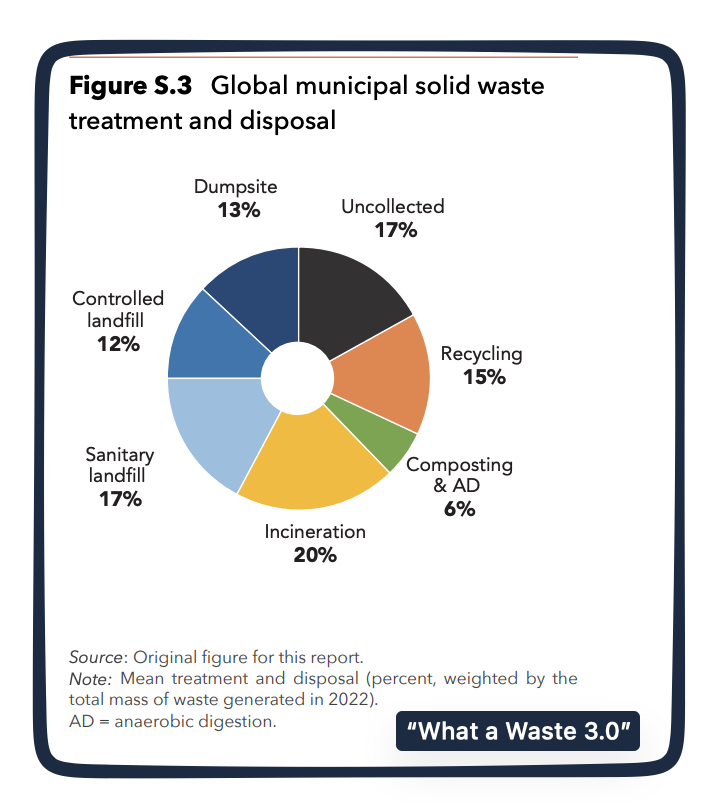
These are the treatment and disposal alternatives:
So, returning to our title, where is waste generation worst? There are so many possible answers. But fundamentally, It depends on whether we mean quantity or quality.
My sources and more: Thanks to the BBC’s World Business Report for alerting me to “Waste Colonialism.” From there, we returned to an econlife on recycling and the Mobro, and then found the Fiji facts at Yahoo. However, if you look at just one past econlife post, do go to Bethel, Alaska. But, by far, my best source was the World Bank’s 2026 What a Waste 3.0 report.
Our featured image is a picture of the Mobro.