![econlifelogotrademarkedwebsitelogo[1]](/wp-content/uploads/2024/05/econlifelogotrademarkedwebsitelogo1.png#100878)


What Could Replace the GDP?
May 31, 2026
Who Pays for a Welfare State?
June 2, 2026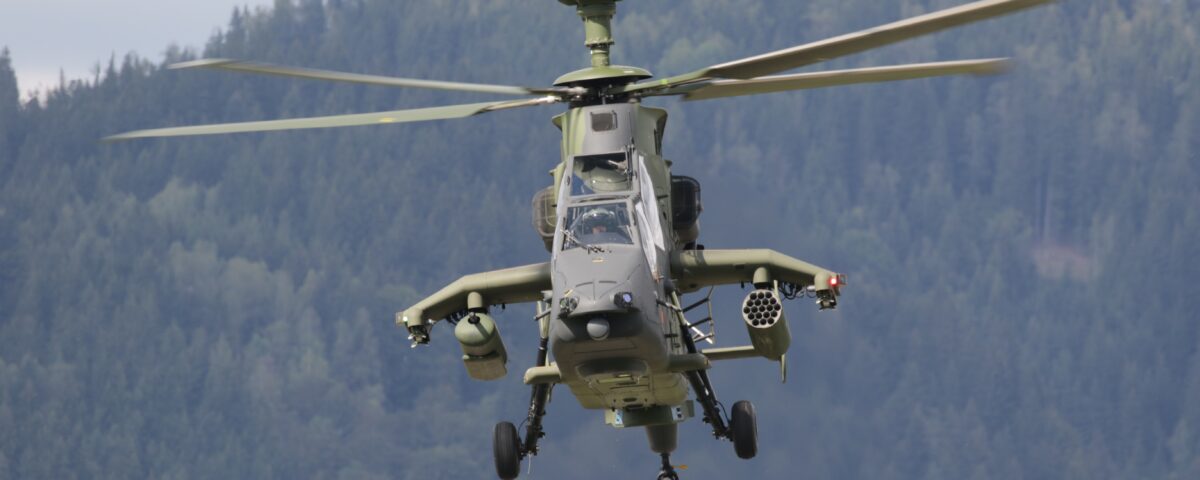
To judge the size of military spending, we can start by comparing it to the growth of the world economy.
Although the world economy has been way ahead, I suspect we’ve reversed the trend.
Military Spending
The World Economy
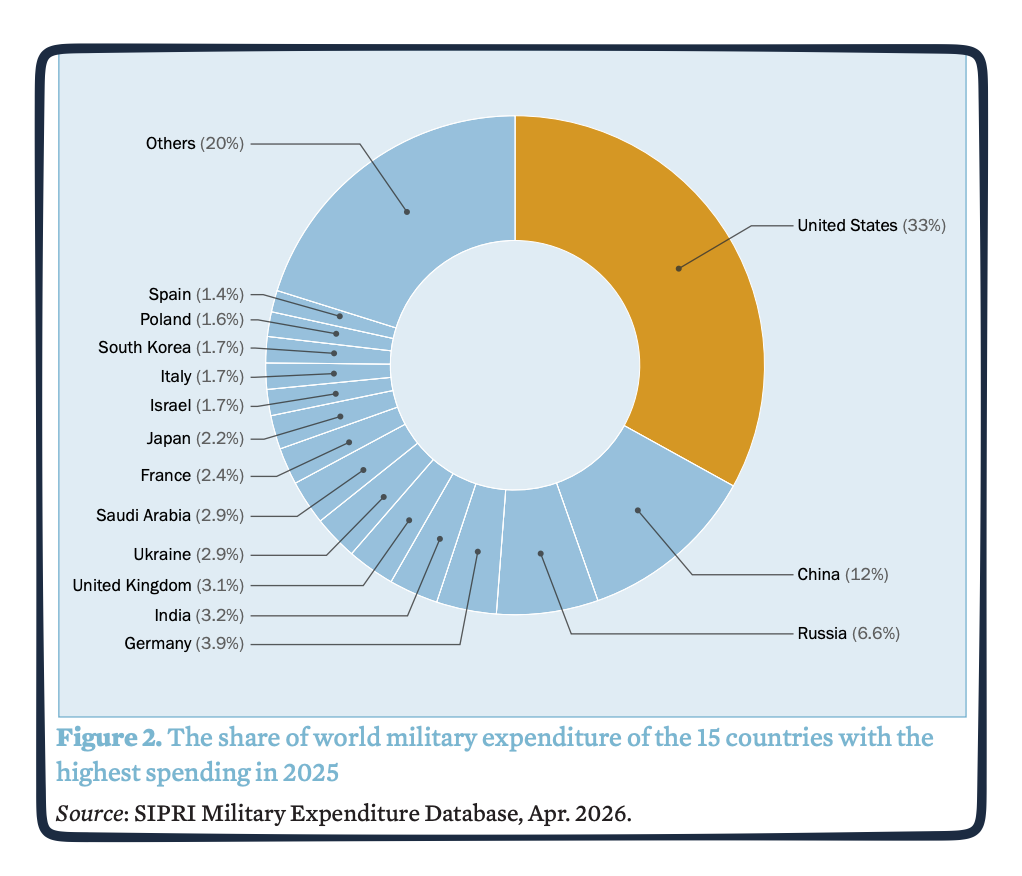
During the past 30 years, the world economy grew by 180% while military spending increased 120%. Looking more closely though, we would see that 80% of all military spending came from 15 nations and the regions varied. With Europe and China spending more, the Americas pretty much plateaued.
Below, You can see a recent rise in European military spending: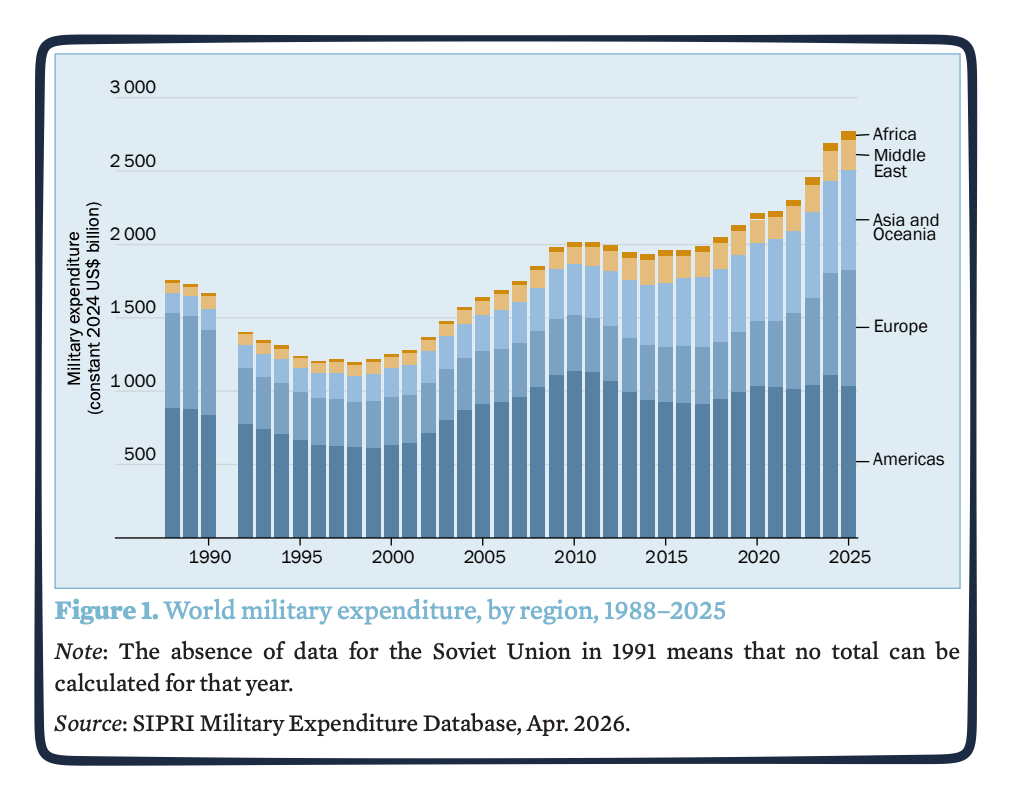
Dominated by the United States, spending was concentrated among 15 nations:
The United States
U.S. defense spending is at a new high. Although from 2024 to 2025, our spending did dip because of the Ukraine cutback. But then, the FY 2027 $1.5 trillion defense allocation was a whopper of a surge. According to the Center For Strategic & International Studies, that $1.5 trillion is close to a 40% uptick from 2026 when adjusted for inflation. Record breaking, it exceeded World War II defense spending peaks.
Our Bottom Line: The U.S. Budget
Remaining with the United States, in addition to history, we can judge defense through a federal budget lens. Becoming an increasingly larger slice of U.S. spending, in FY 2020 it was 10% while by 2027, the defense piece of the budget pie climbed to an 18% slice. And Iran was not even included.
Correspondingly, the increase in military spending has outpaced economic growth. With military spending a 3% piece of the GDP from 2022 to 2026, for FY 2027 its projection is 3.7%.
So, whether we judge defense spending by comparing it to economic growth, by contrasting what different nations spend on defense, or by looking at history, it always returns us to tradeoffs. Remembering that “Choosing is refusing,” spending more on defense, we have less for safety net programs, disaster response, and medical research.
My sources and more: Thanks to Timothy Taylor’s Conversable Economist for alerting me to the SIPRI study on military spending. From there, we went to the SIPRI (Stockholm International Peace Research Institute) paper, to CSIS, and to the CRFB blog update on the U.S. military.
Please note that our featured image is the Eurocopter Tiger, an attack helicopter that can add $73 million to a defense budget if you buy only one that is fully equipped. Also, I’ve interchanged defense and military as synonyms.