What It’s Nice To Know About the Most Popular Fruit
October 18, 2026
In the Heritage Foundation’s Index of Economic Freedom, Singapore is in the top spot with Switzerland at #2. Meanwhile, in the “Mostly Free” category, the United States is #22. Next, calculating those “economic freedom” numbers depends on a menu of policies that include trade, taxation, and government spending. Then, for each one, and through other categories like labor, corruption, and property protection, they record 0-100 scores, feed them into a formula, and wind up with a ranking. Basically, their focus is the Rule of Law, Government Size, Regulatory Efficiency, and Open Markets.
Somewhat similarly, in a recent paper, two law professors detailed a shift in the U.S. economy.
Let’s take a look.
Creeping Toward Command
“National Security and the New Command Economy”
Law professors Ashley S. Deeks (the University of Virginia) and Kristen E. Eichensebr (Harvard) conclude that U.S. companies increasingly have been required to assist with national security initiatives. Citing a slew of examples, they divide them into five slots:
- The company could participate in a national security-related supply chain.
- Placed strategically, the company would be used for national security enforcement.
- Taking the next step, the company replaces the U.S. government.
- Also, the government could use a company’s product to negotiate leverage.
- And finally, the government mandates a payment in exchange for company-requested approvals that relate to national security.
From there, the paper presents examples that range from CHIPS Act funding to a direct stake in Intel and critical mineral companies. Correspondingly, they add to banks’ enforcement role by citing Oracle’s responsibility for TikTok oversight. In addition, they cite how NVidia and AMD agreed to pay the US government a percentage of their Chinese sales.
From there, their concern continues with being sure that government policies adhere to public law values like legality, transparency, and non-corruption. Aware of the abuses, they point out that legality, for example, can be tough to enforce because companies that have standing hesitate to initiate court challenges.
The Index of Economic Freedom
By contrast, the U.S. Index of Economic Freedom score crept upward this year, with less U.S. command.
Still, you can see the “freedom” score decrease since 2008: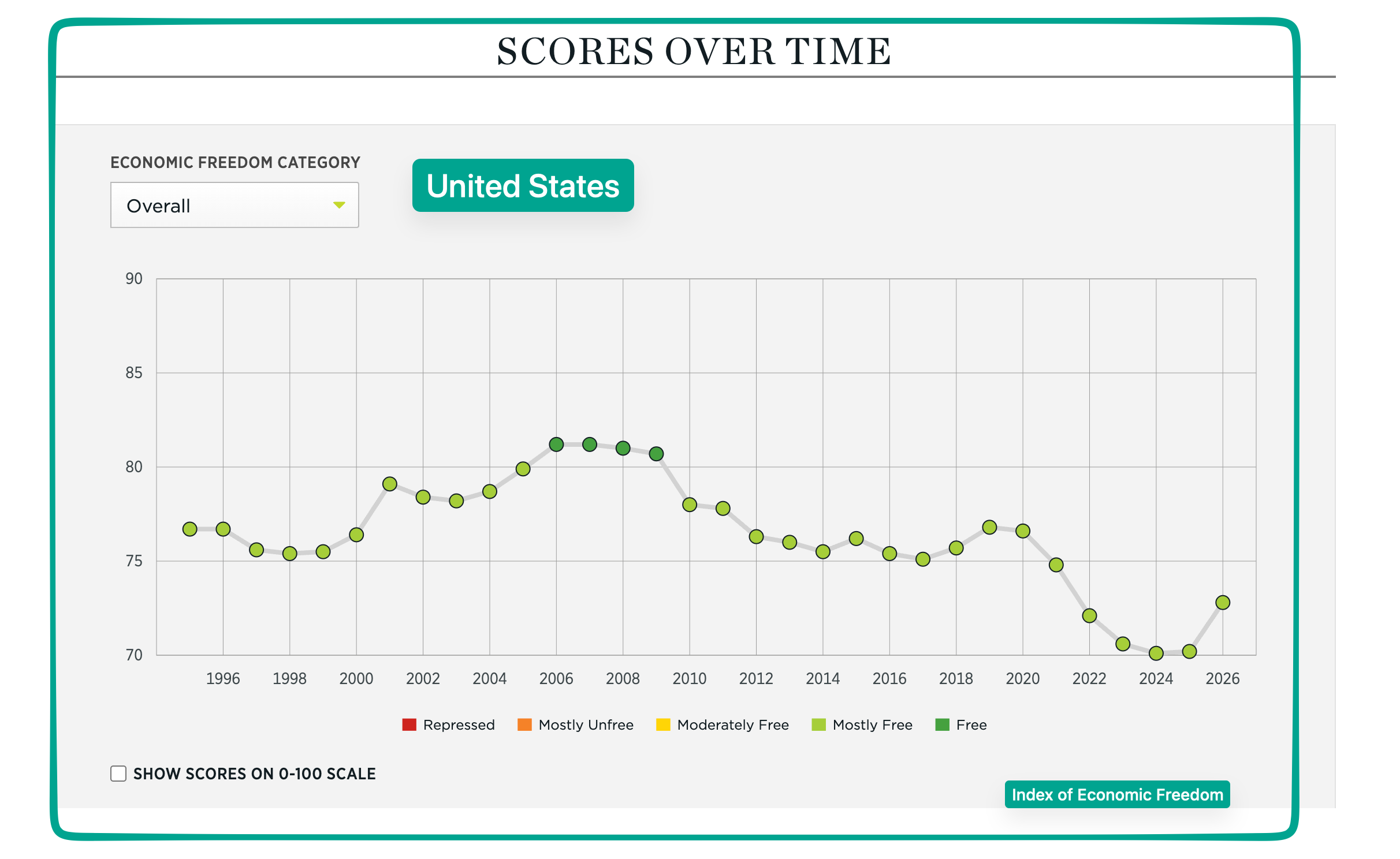
This year’s increase was not enough to lift the U.S. into the “Free” category:
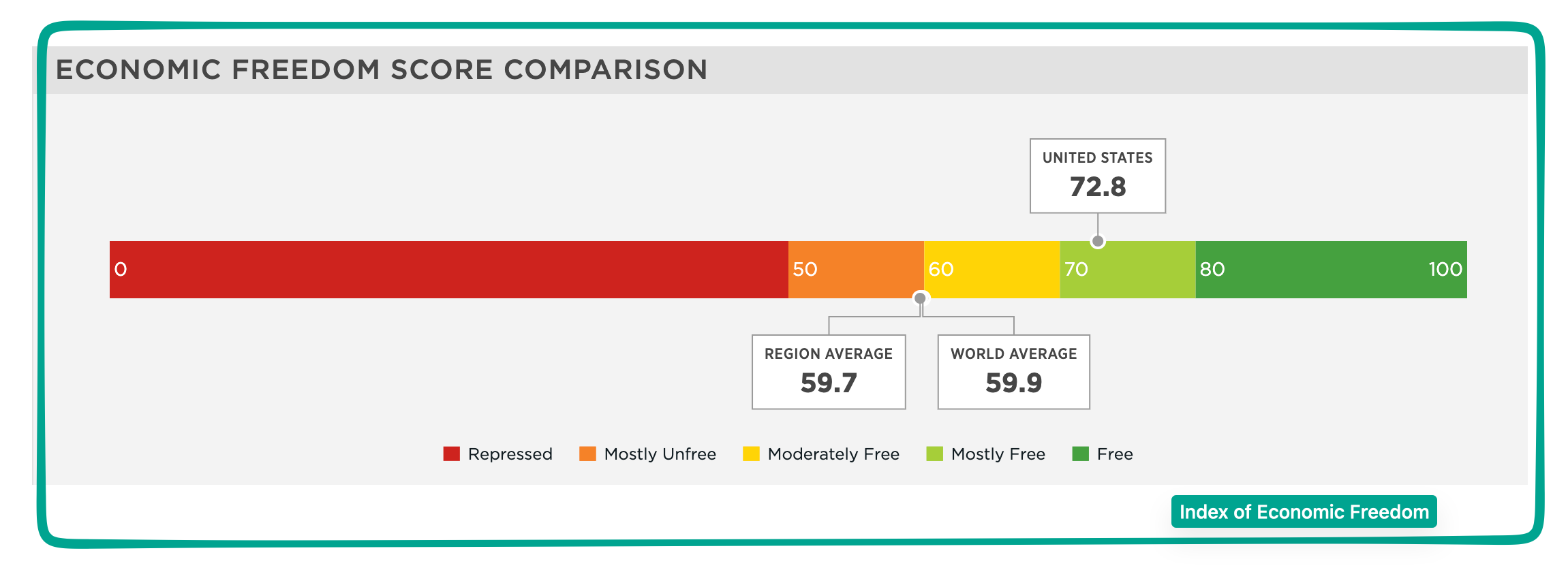
Explained by the Index, the U.S. shift toward “less free” trade policies was offset by “monetary freedom, government spending, fiscal health, and investment freedom.” (While I question those higher scores, I wanted to introduce them.)
Our Bottom Line: Economic Systems
As one of the three basic economic systems, command has to answer the three economic questions:
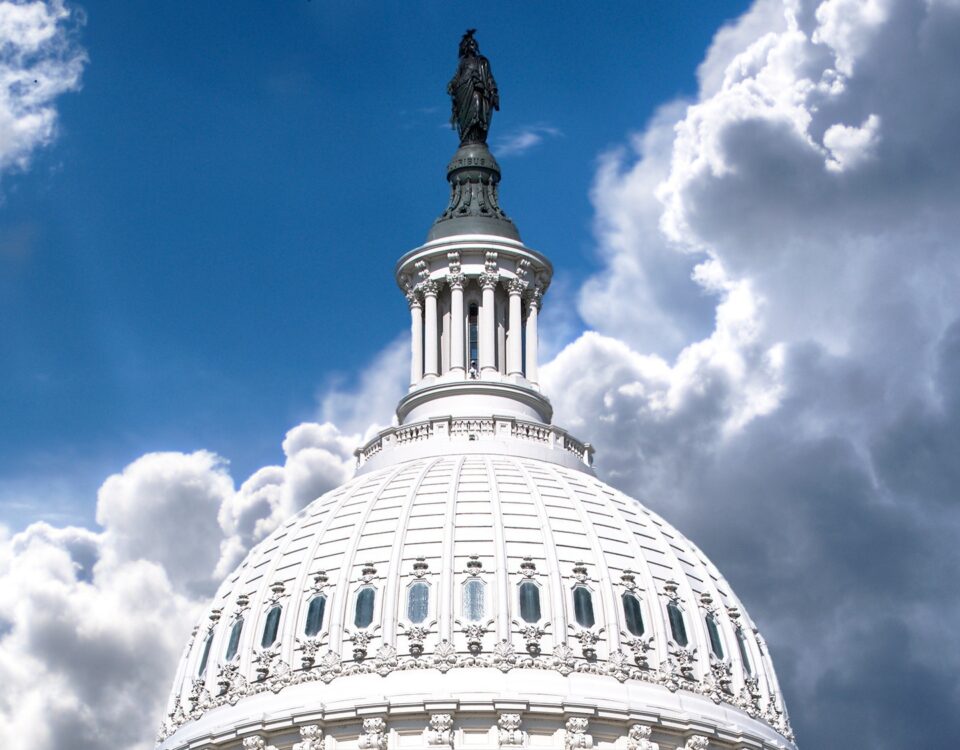
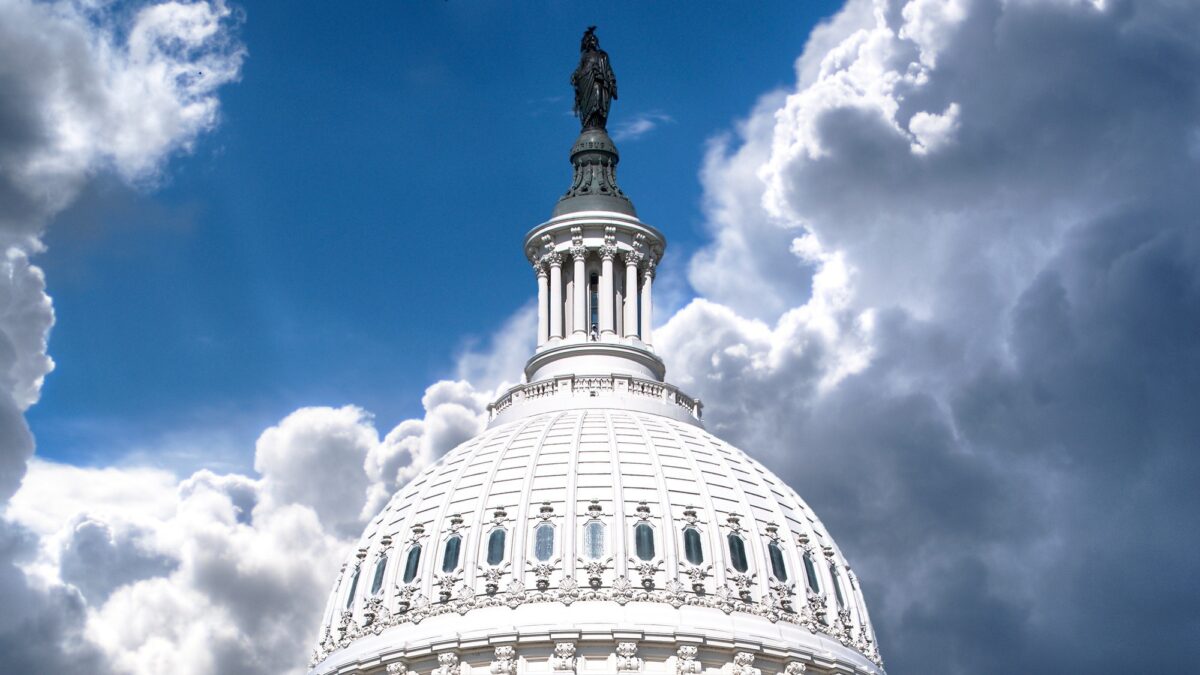
In traditional economies, the past determines the future because children tend to select their parents’ roles and occupations. Then command’s top-down response to “what, how, and to whom” takes us to our featured image. And lastly, and by contrast, the market’s bottom-up production and distribution decisions have very different answers from tradition and command.
Looking back at the answers, we would see that command economies have inefficiencies and perverse incentives that constrain growth and innovation. Consequently, our creep to command is a concern.
My sources and more: Thanks to a Lawfare podcast for making yesterday’s walk more interesting by discussing our creep toward command. From there, we linked to this article in the National Security Journal. Also, I recommend taking a look at the U.S. entry at the Index of Economic Freedom.