![econlifelogotrademarkedwebsitelogo[1]](/wp-content/uploads/2024/05/econlifelogotrademarkedwebsitelogo1.png#100878)


A Sad Chicken Noodle Soup Story
October 8, 2026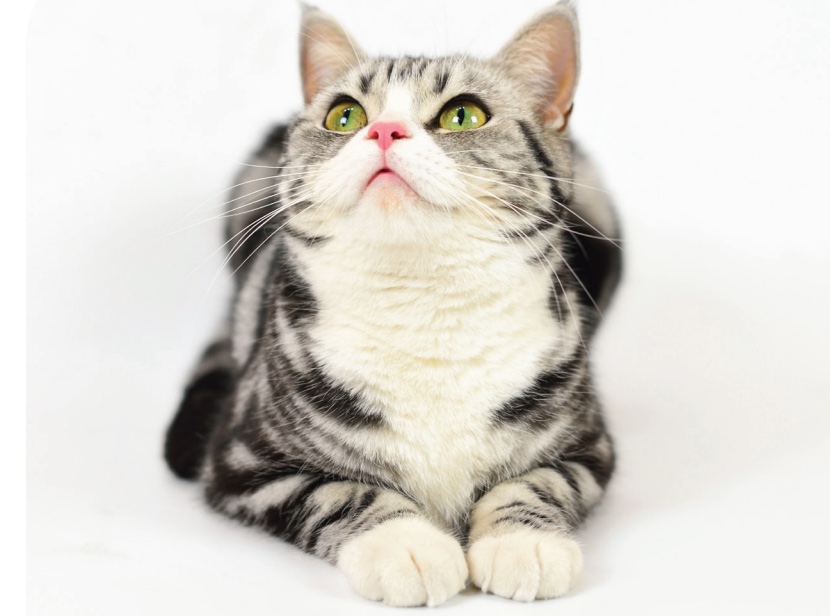
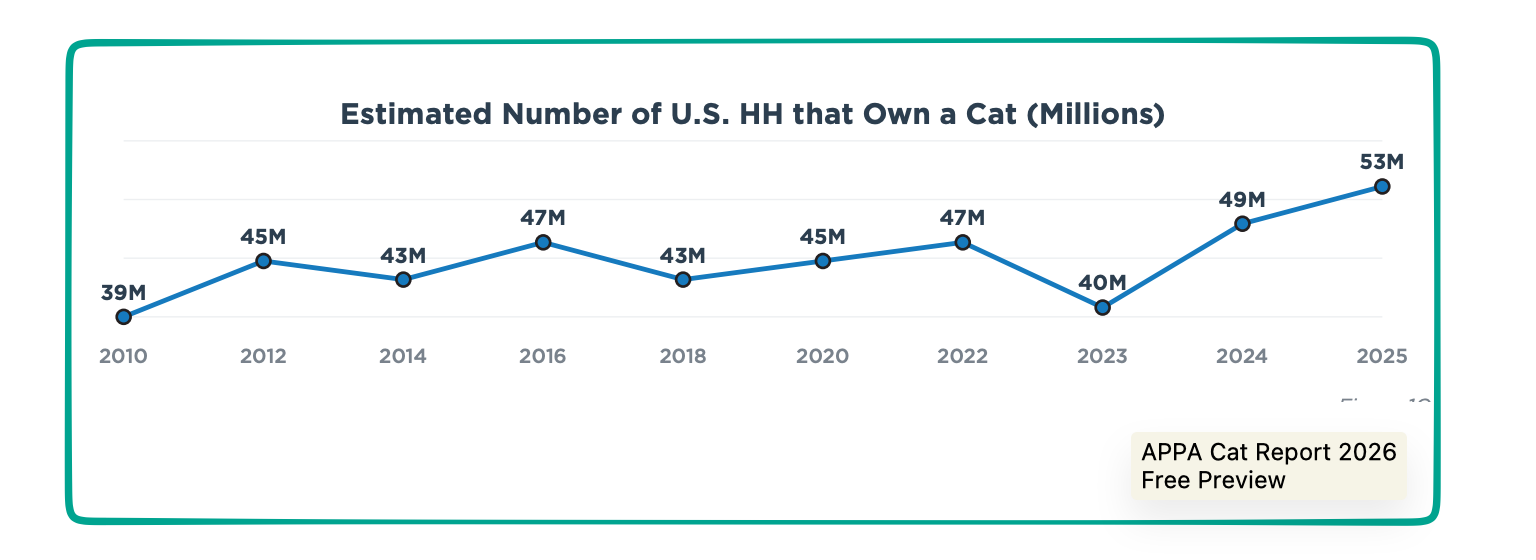
My daughter’s cats, Logan and Luna live in one of the 53 million U.S. households that own a cat. Pet food makers care about what they want to eat.
The number of cat households is on the upswing:
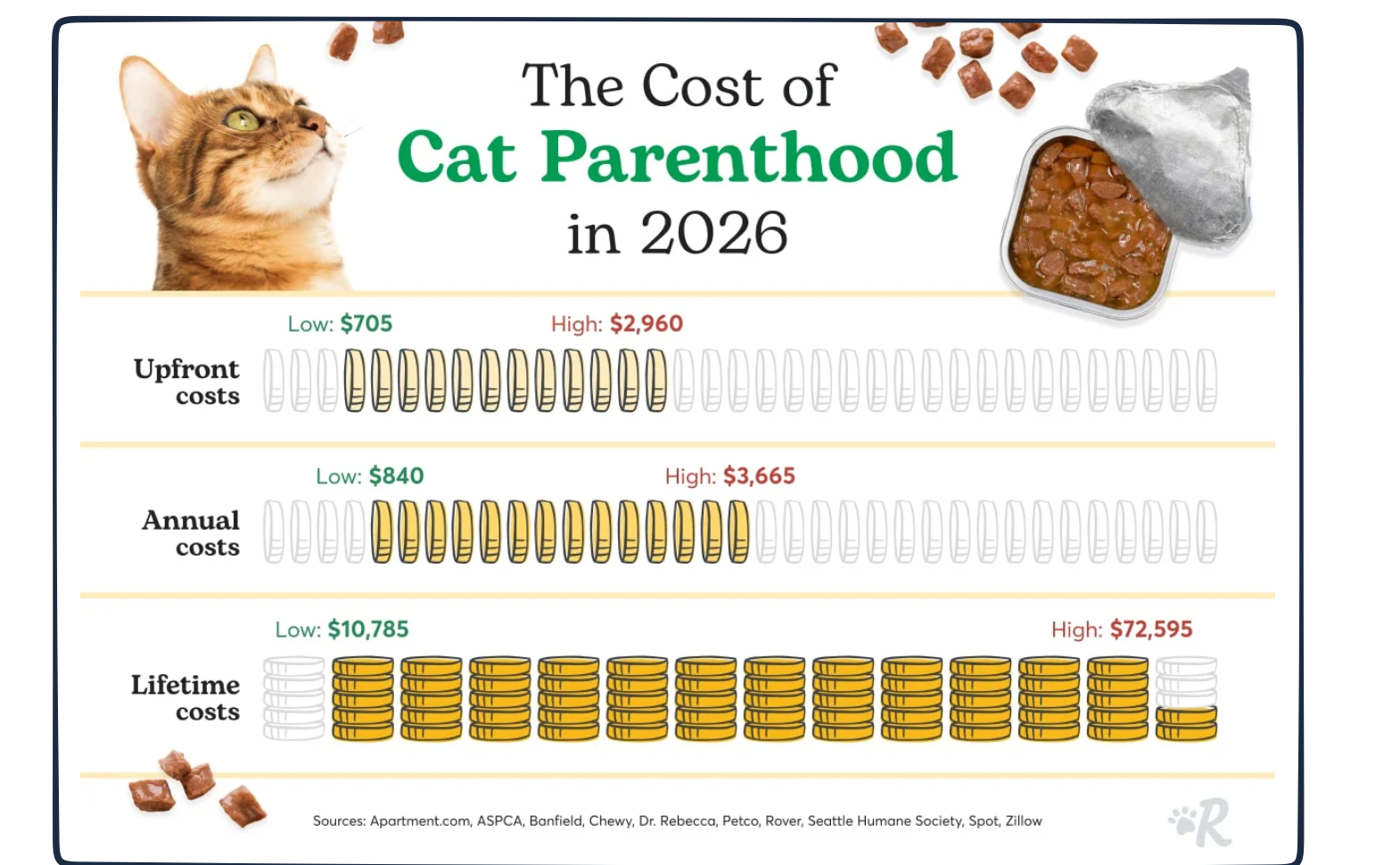
And they are spending a lot of money:
Cat Food Preferences
Knowing treats and meals are one of the largest spending categories, the pet food maker Mars does some pretty serious research at its “pet hotel” in Aimargues, France. (Yes, Mars is the Snickers and M&M’s people. Their pet food subsidiary is Royal Canin.)
Recently, a NY Times reporter visited the Mars pet food testing facility. Home to a crowd of dogs and felines, it could have been a resort. For their cat research, at feeding times, they monitor cats’ preferences. The food waits for them in cubbyholes where they nibble off of two trays of kibbles that sit on scales. Then, nutritionists measure their intake.
In these cat cubbies, you can see each box has different food:
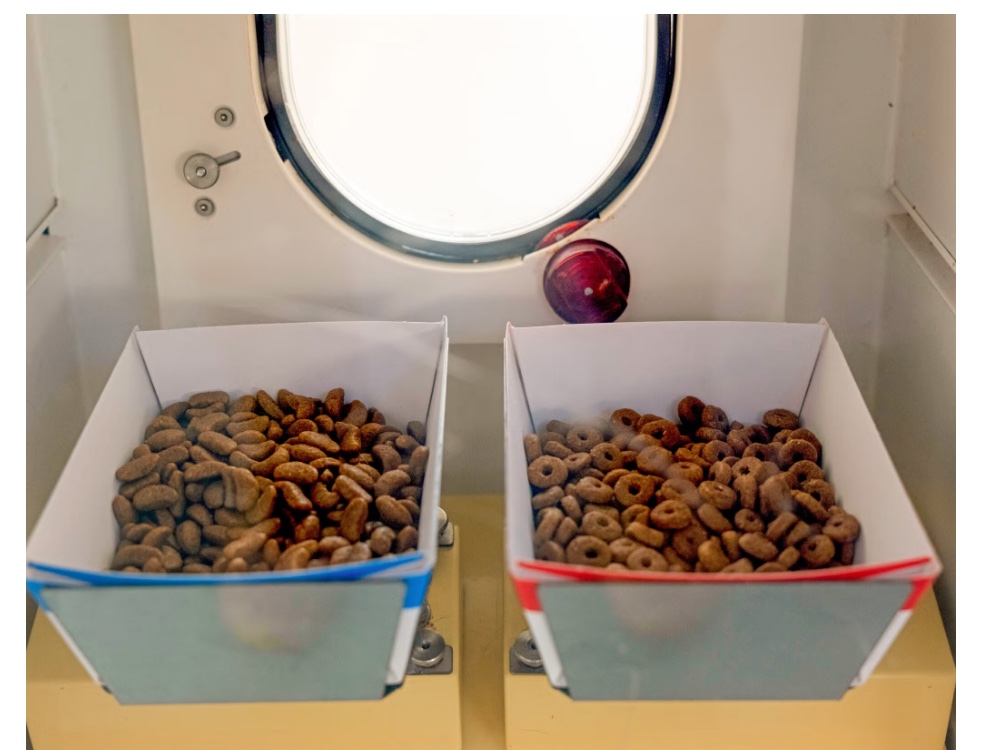
After the meal, they check energy levels, playfulness, and also analyze feces. Knowing that cats dislike sweets and love tuna, experts at Mars’s Waltham Petcare Science Institute in England research their taste receptors.
In addition to taste, the pet food people want to cater to aging cats’ ailments like joint aches, muscle fatigue, and diminished cognitive capacity. Their senior food line recognizes that older cats could need extra soft mousse, easy-to-eat kibble, and less bitter recipes. They even have dementia fighting supplements.
Our Bottom Line: Consumption Expenditures
As a yardstick of the dollar value of the goods and services a nation annually produces, the GDP has four components. At 70% (or so) in the U.S., its largest slice is the consumption expenditures that you and I spend. Next, gross investment is mainly a business category except for its residential section. Then, government spending is the third big category. And finally, net exports–exports minus imports–the fourth component, is typically negative.
Predictably, pet spending adds to consumption totals. Included as entertainment and steadily climbing, it topped $17 billion during 2025.
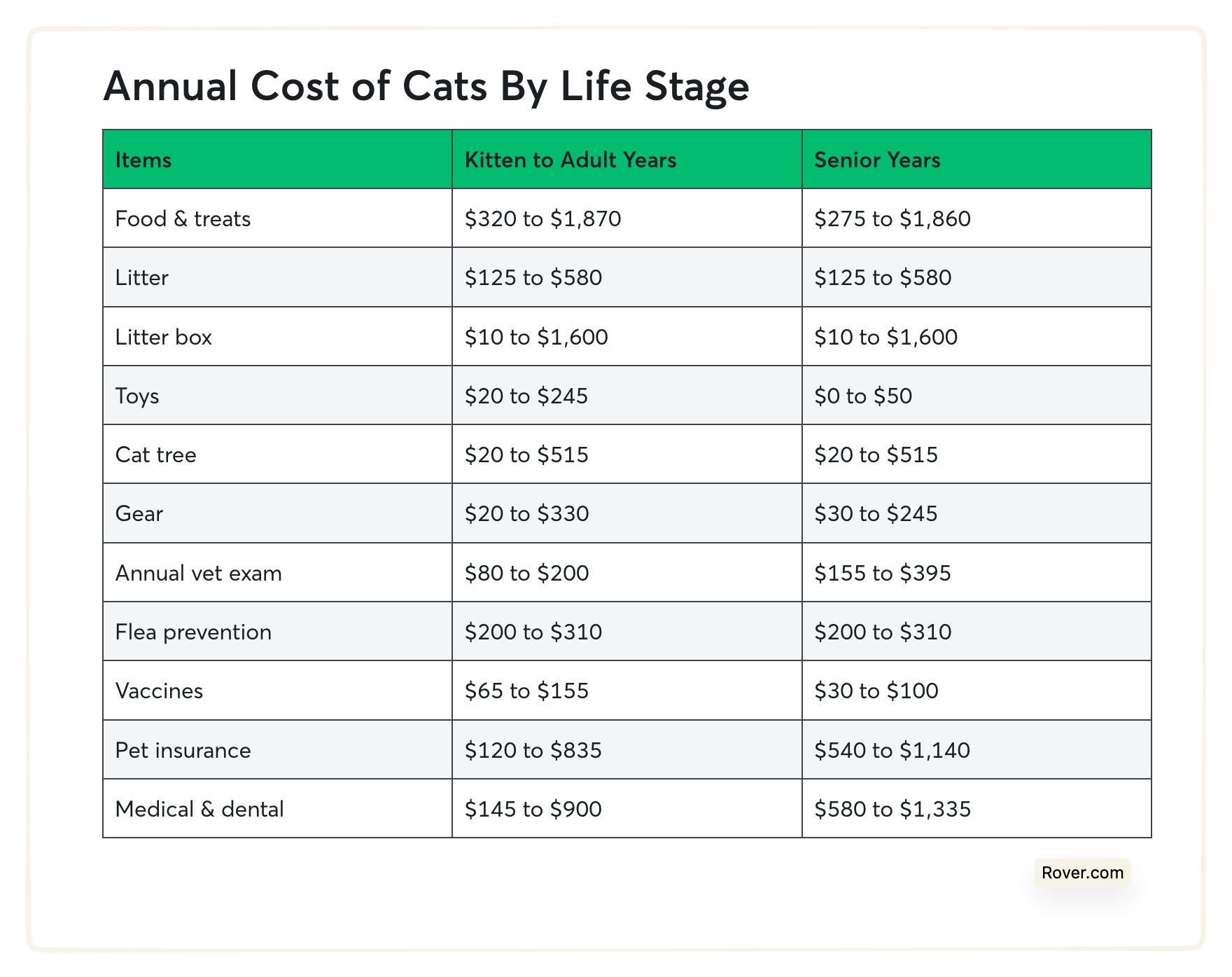
Like grandma, older cats require more meds–and Luna needed some pricey tests when she did not feel well:
My sources and more: Thanks to the NY Times for inspiring today’s post. From there, always my go-to for pet statistics, I went to the American Pet Products Association. Happily, they had a preview of their latest cat report. Then, we found cat spending data at Rover.com.