![econlifelogotrademarkedwebsitelogo[1]](/wp-content/uploads/2024/05/econlifelogotrademarkedwebsitelogo1.png#100878)


Why a Monopoly Game Can’t Be “Made in the USA”
September 30, 2026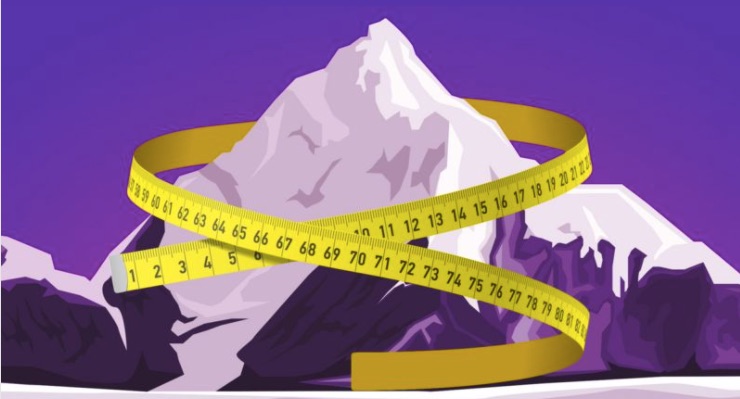
It’s tough to measure Mount Everest.
Deciding that sea level starts in the Bay of Bengal, Nepal wound up with the summit at 29,028 feet. Instead, China chose the Yellow Sea and got 29,017. They disagreed also about whether the peak included snow and ice or was merely the rock under it. And, it gets even more complicated when shifting tectonic plates can lift the mountain and earthquakes make it sink. Still, in 2020, China and Nepal agreed on 29,031.69 feet.
Somewhat similarly, it’s tough to measure our oil supply.
Measuring the Oil Supply
Several weeks ago, President Trump told us that, together, Venezuela and the U.S. had more than 60 percent of the world’s oil.
Not necessarily.
Assessing the accuracy of so massive an estimate, we first have to decide what we mean by oil. The answer? Crude and maybe the lighter form called condensate.
Next, we can look at daily production. Not close to 60 percent, the U.S. is at 13 percent (13.6 million barrels daily) and Venezuela, 1 percent (1 million barrels daily). At 14 or 15 percent of the world’s oil. even adding oil-adjacent products like natural gas liquids, you just touch 25 percent.
At this point, reserves enter our calculations. A less concrete metric, the estimates suggest that the U.S. and Venezuela combined have 23 percent–maybe 350 billion barrels out of 1.5 trillion barrels–of global proven crude oil reserves. However, the oil has to be “extracted, packaged, and sold at an economic gain.” And, for that to happen, price and production costs matter. Incentives differ for the cheaper producers like Saudi Arabia and the U.S.’s elevated expenses.
Our Bottom Line: Misleading Statistics
It always returns us to the coast of Great Britain. Explained by a classic paper from mathematician Benoit Mandelbrot, the shorter the ruler, the longer the coast:

So, whether it’s the height of a mountain or the quantity of the world’s oil, it all depends on how you measure it.
My sources and more: Thanks to More or Less –the perfect combination of facts and fun–for reminding me to return to misleading statistics. Meanwhile, its primer on measuring oil clearly displayed how we might perceive the Trump statistic. From there, this past econlife post on Mount Everest’s height and this NY Times article came in handy as did books from Morten Jerven and Charles Wheelan.