![econlifelogotrademarkedwebsitelogo[1]](/wp-content/uploads/2024/05/econlifelogotrademarkedwebsitelogo1.png#100878)


Our Weekly Economic News Roundup: From Harry Styles to Jollof Rice
September 12, 2026
When the Iran War vastly reduced oil production and transport facilities, it created a classic supply shock.
One result was soaring diesel prices:
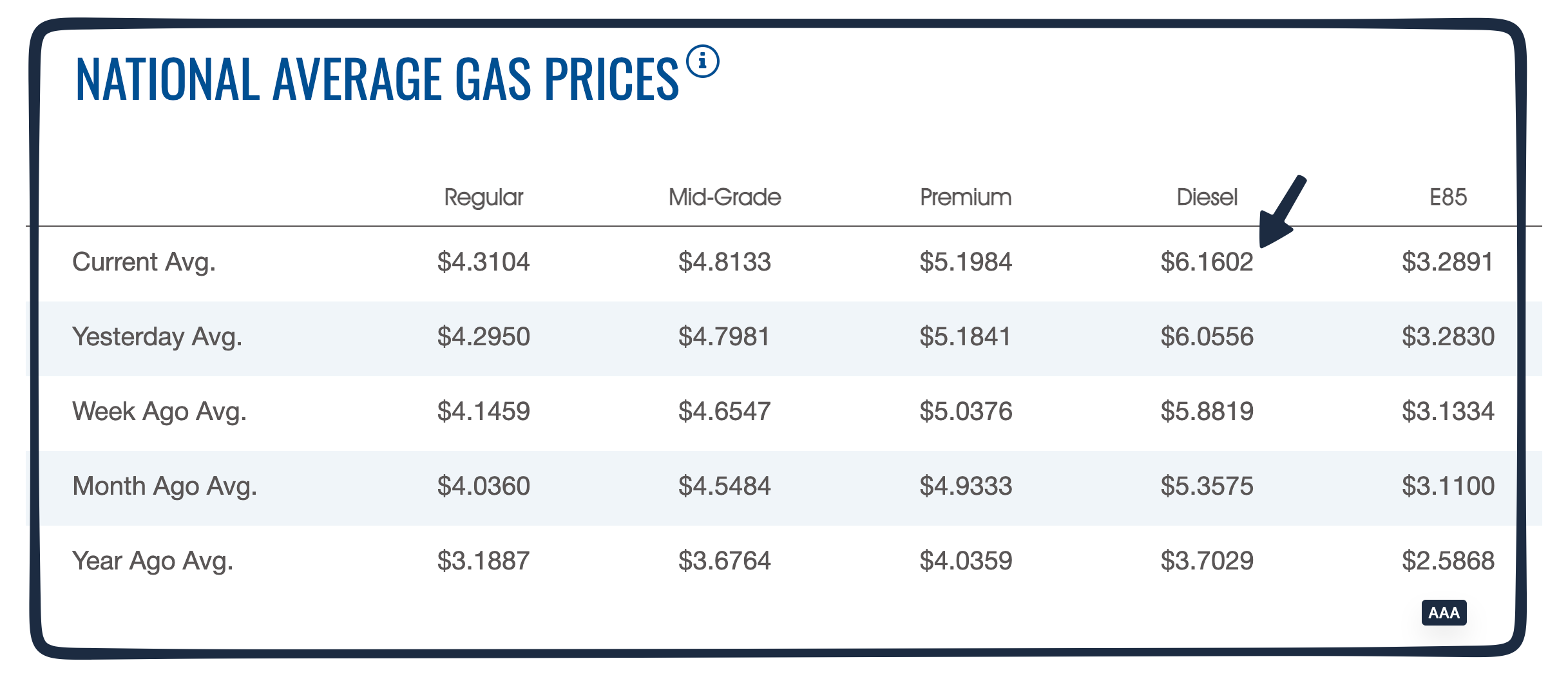
6 Facts About Diesel Prices
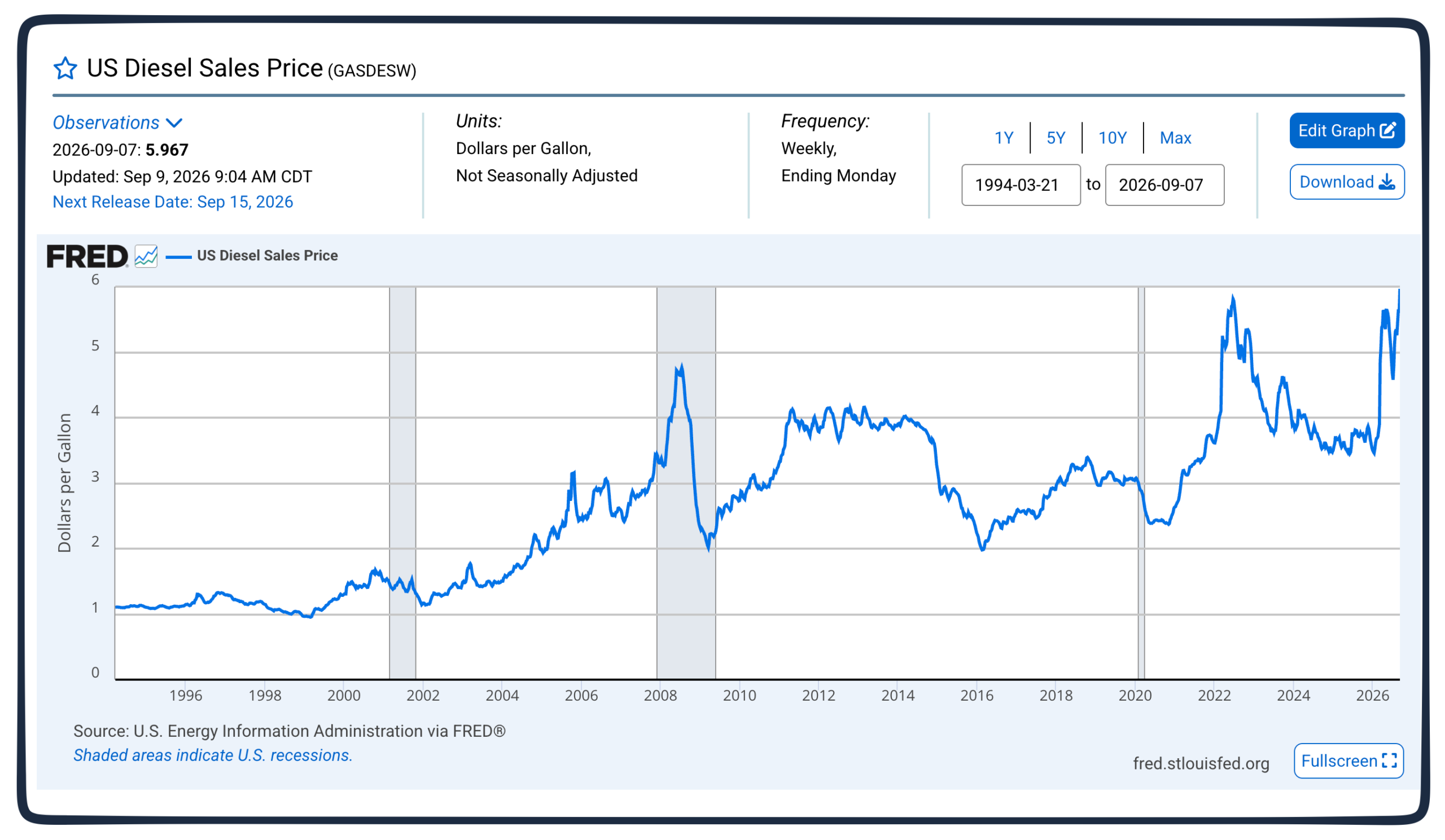
1. U.S. diesel is at its highest recorded price.
It has even topped financial crisis and COVID peaks:
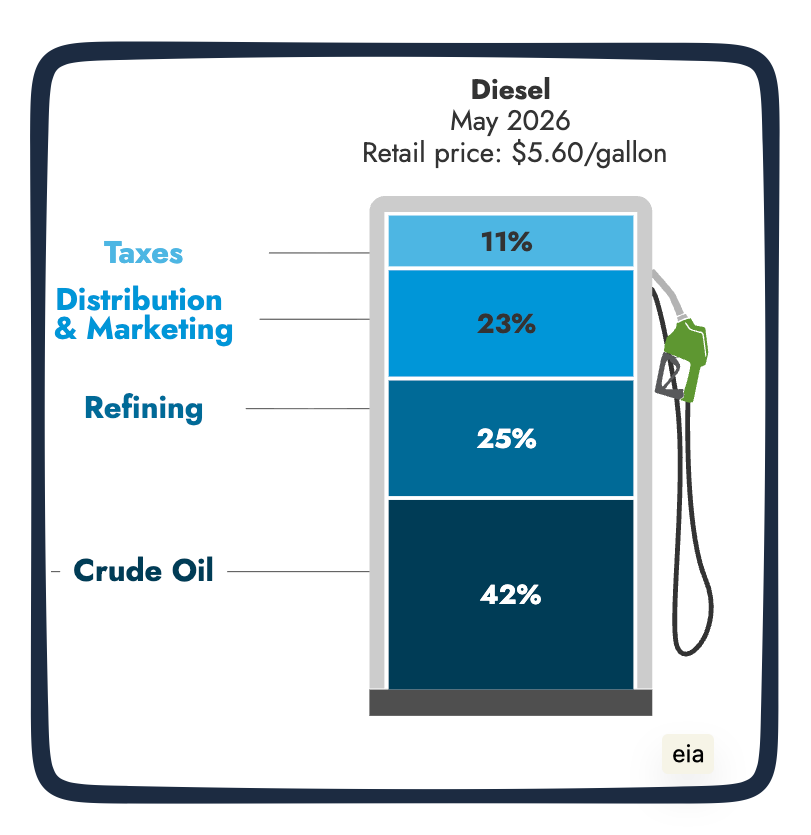
2. The price of diesel depends on taxes, distribution and marketing, refining, and crude oil.
Explaining the ascending price of diesel, you can see that crude is most crucial. At 42 percent, crude is a larger proportion of diesel than for regular gasoline:
3. Diesel is especially appropriate for commercial transportation.
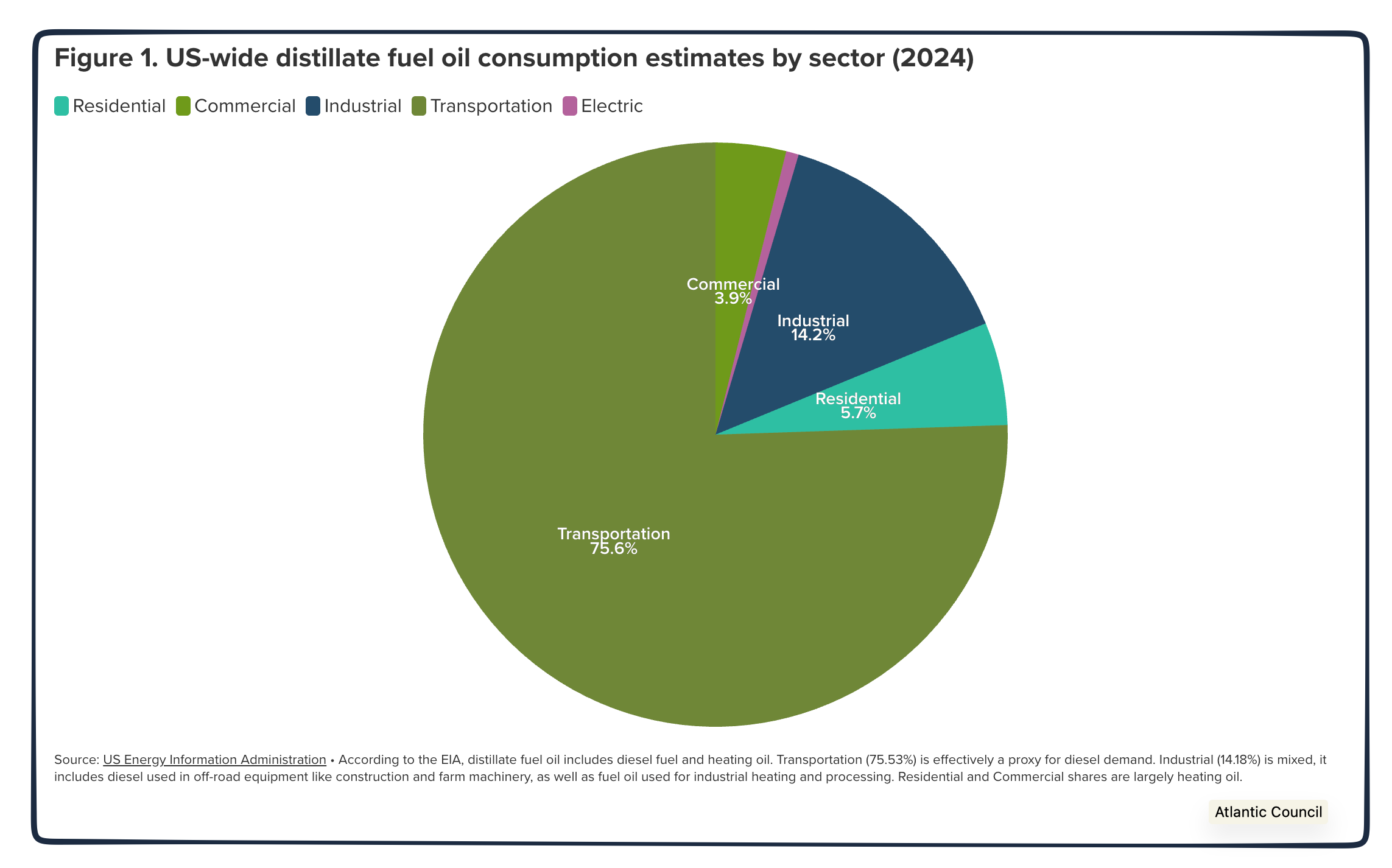
Called a distillate, diesel is the fuel preferred by big rig trucks and farm equipment users because of its “volumetric energy density, compression ratio, and handling safety.” (Although I am not sure of what volumetric energy density and compression ratios mean, I thought you would like to know.)
Below, you can see the dominance of transportation:
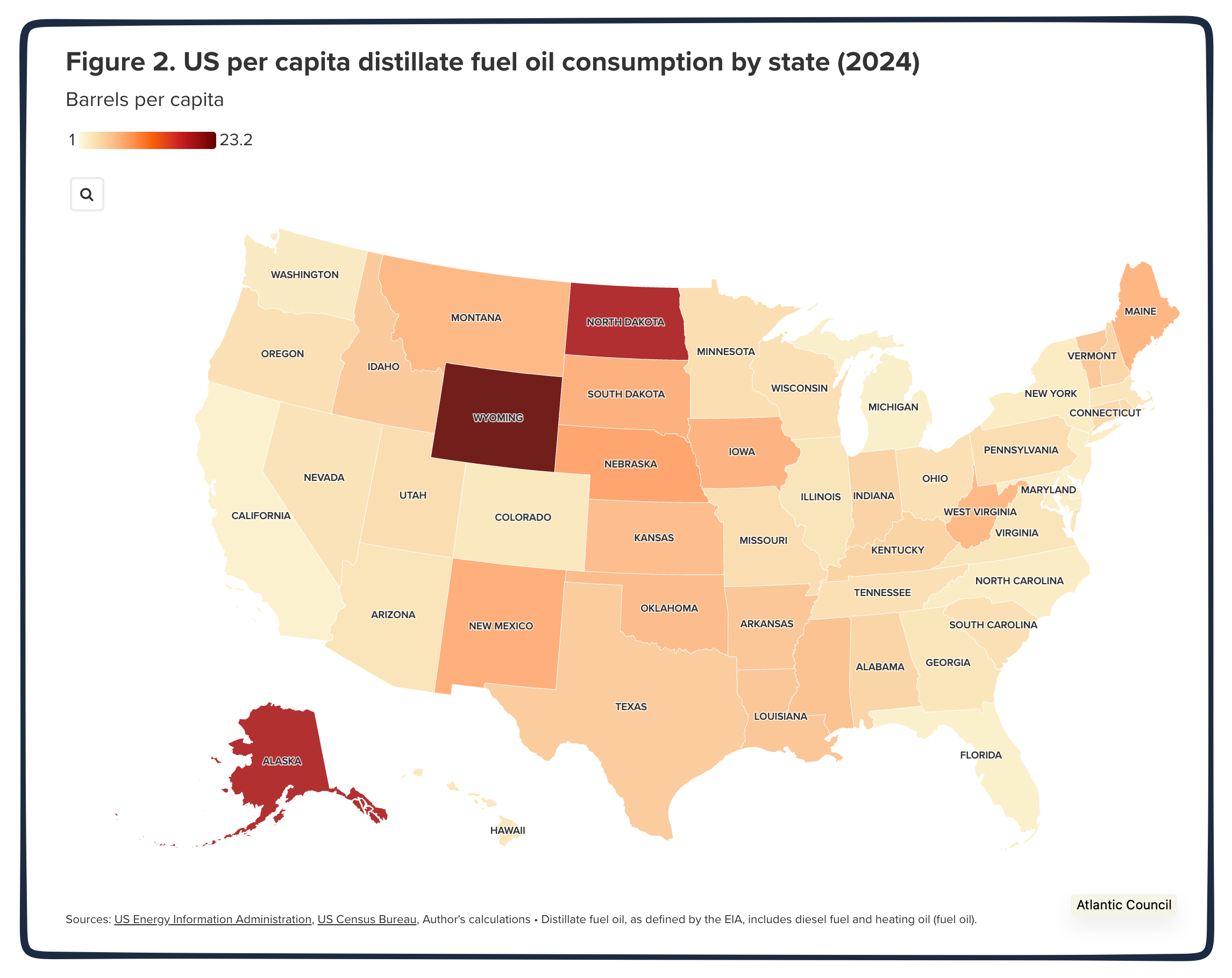
4. Geographically, the impact of pricey diesel varies.
Wyoming, North Dakota, and Alaska are the hardest hit states:
5. Rising diesel prices elevate U.S. consumer spending.
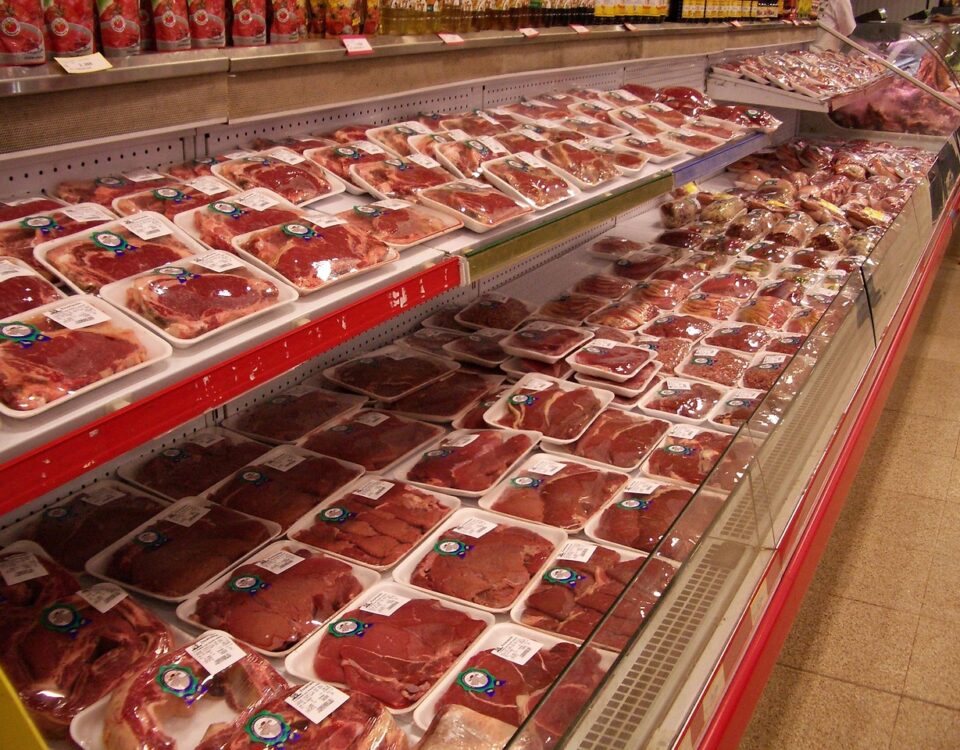
The diesel used for farm equipment, fishing boats, and then trains and trucks affects what we pay at the grocery store. According to PBS, fuel occupies 15% to 30% of the total cost of food. But prices tend to rise the most with the items that need refrigeration. Compared to a 2.7 percent hike in grocery prices, seafood is up 7 percent and fresh fruit, 4.9 percent.
In addition, starting with UPS and FedEx, we have clothing, furniture, and cosmetics all moving through a diesel-powered transport network.
6. Beyond the U.S., diesel is also pricier.
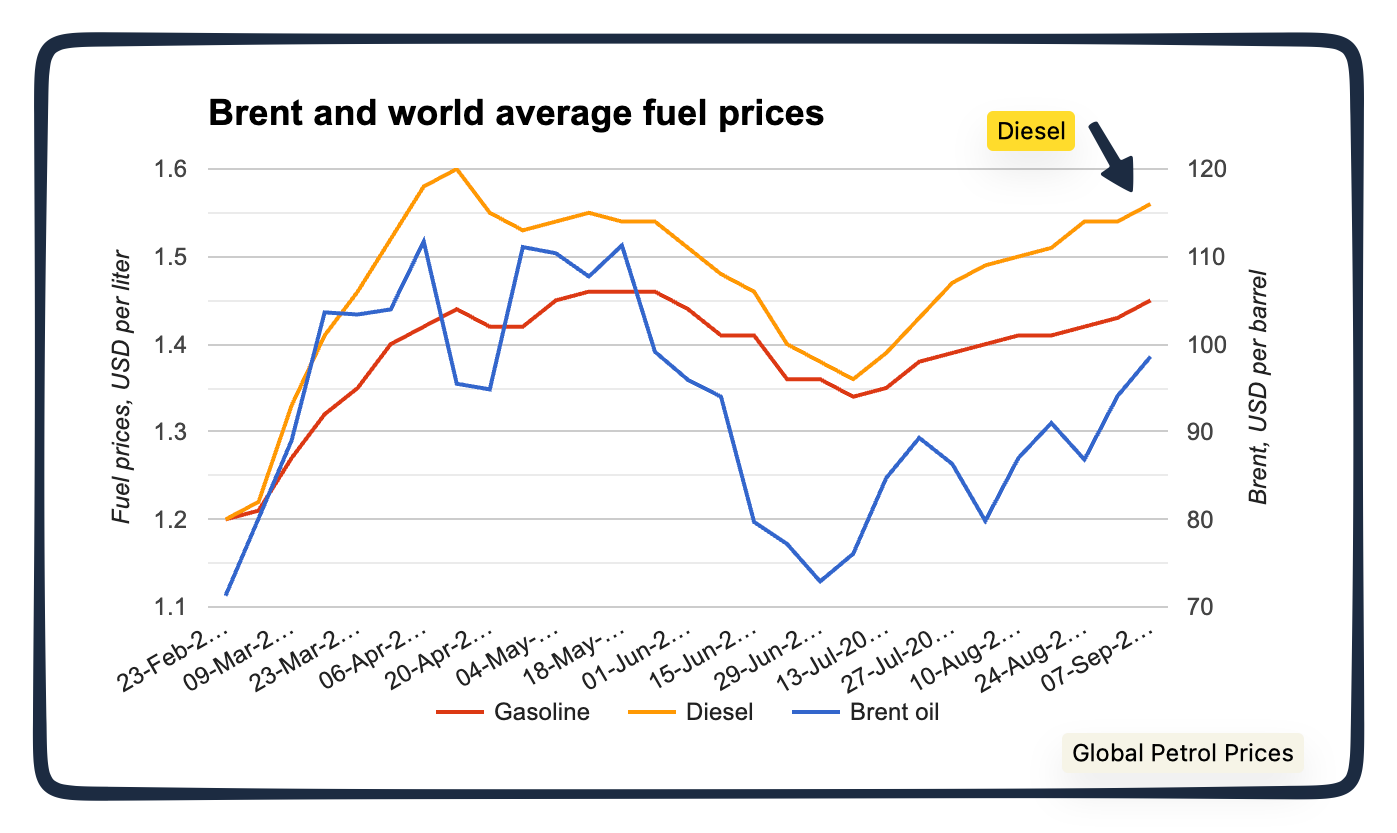
Global Petrol Prices recorded a diesel high in Hong Kong. Leaping 26 percent since the war began, Hong Kong diesel now averages $17.78 a gallon.
Compared to regular gasoline, the Iran War had the greatest impact on diesel:
Our Bottom Line: Supply Shocks
During her Richmond Fed interview, economist Christiana Baumeister said that the Iran War created “… the cleanest example of an oil supply shock that we’ve had in decades. It really follows the blueprint of a classical supply shock: There’s a war in an oil-producing country or region where production facilities and energy infrastructure get destroyed, and, in this case, a major waterway gets blocked. That leads to a loss of oil output, which then induces a spike in oil prices.
And from there, we can see how a spike in oil prices arrives at our grocery stores through its impact on diesel fuel.
My sources and more: Thanks always to the AAA and eia for their oil-related data. Then, I was delighted to have discovered this Atlantic Council look at diesel and a PBS focus on consumer prices. Also, we returned to this Richmond Fed’s interview.
Our featured image is from the Atlantic Council, and several of today’s sentences were in a past econlife post.