![econlifelogotrademarkedwebsitelogo[1]](/wp-content/uploads/2024/05/econlifelogotrademarkedwebsitelogo1.png#100878)


Our Weekly Economic News Roundup: From Chocolate to Coffee
May 30, 2026
How Can We Judge the Size of Military Spending?
June 1, 2026
Trying to stay well, we let physicians decide what to monitor. As a result, we might have an EKG, a cholesterol test, the new colon cancer blood test. Some feel though that different criteria would be more appropriate.
Similarly, trying to keep our economy healthy, we emphasize a GDP focus that some disagree with.
Through a new UN report, we can consider an alternative.
Beyond GDP
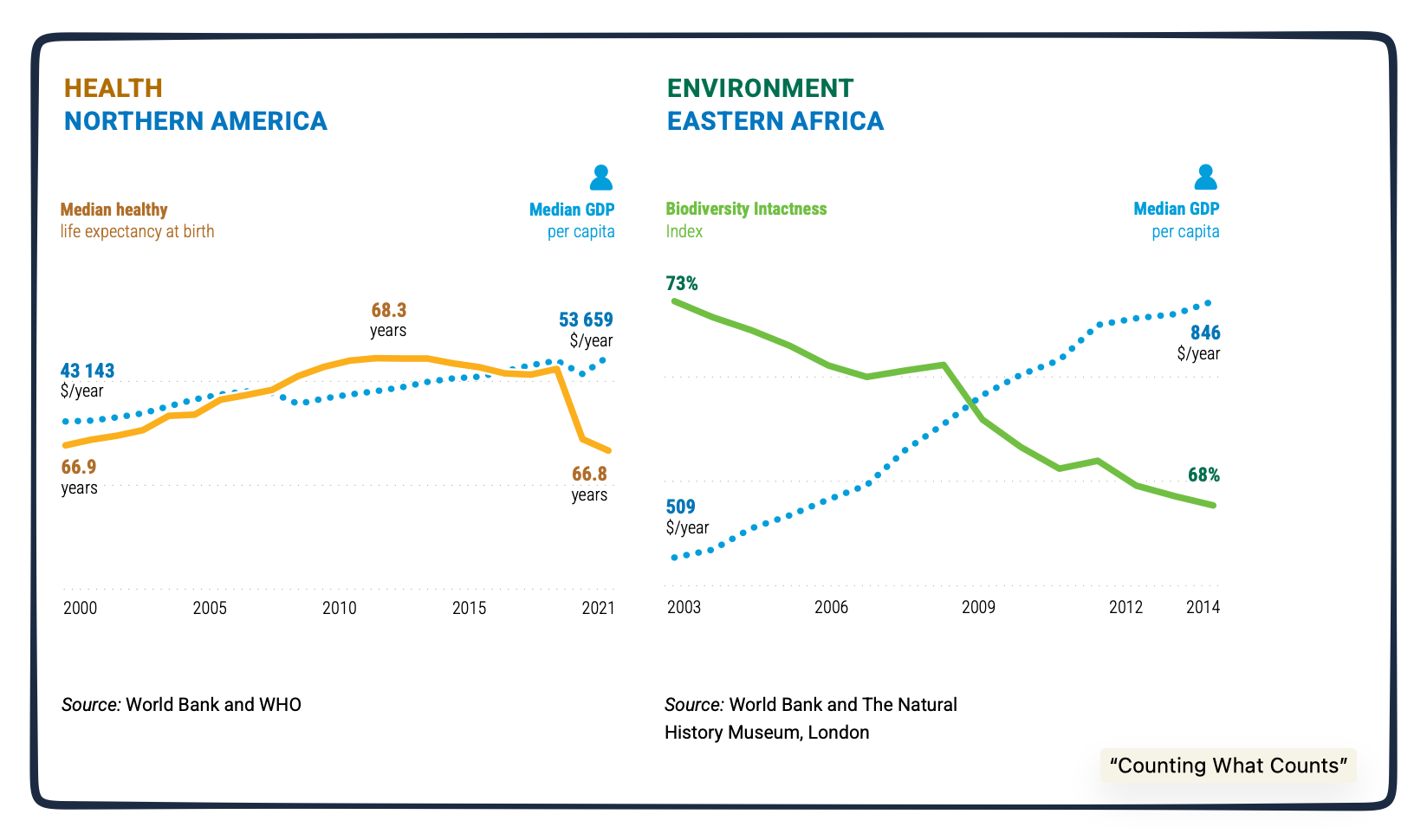
Repeating what economists have told us for years, a UN commission believes that “key dimensions of progress sit outside the GDP.” Consequently, they tried to make “visible what GDP overlooks.”
Perfectly shown by these graphs, the GDP can obscure what we need to see:
The Dashboard
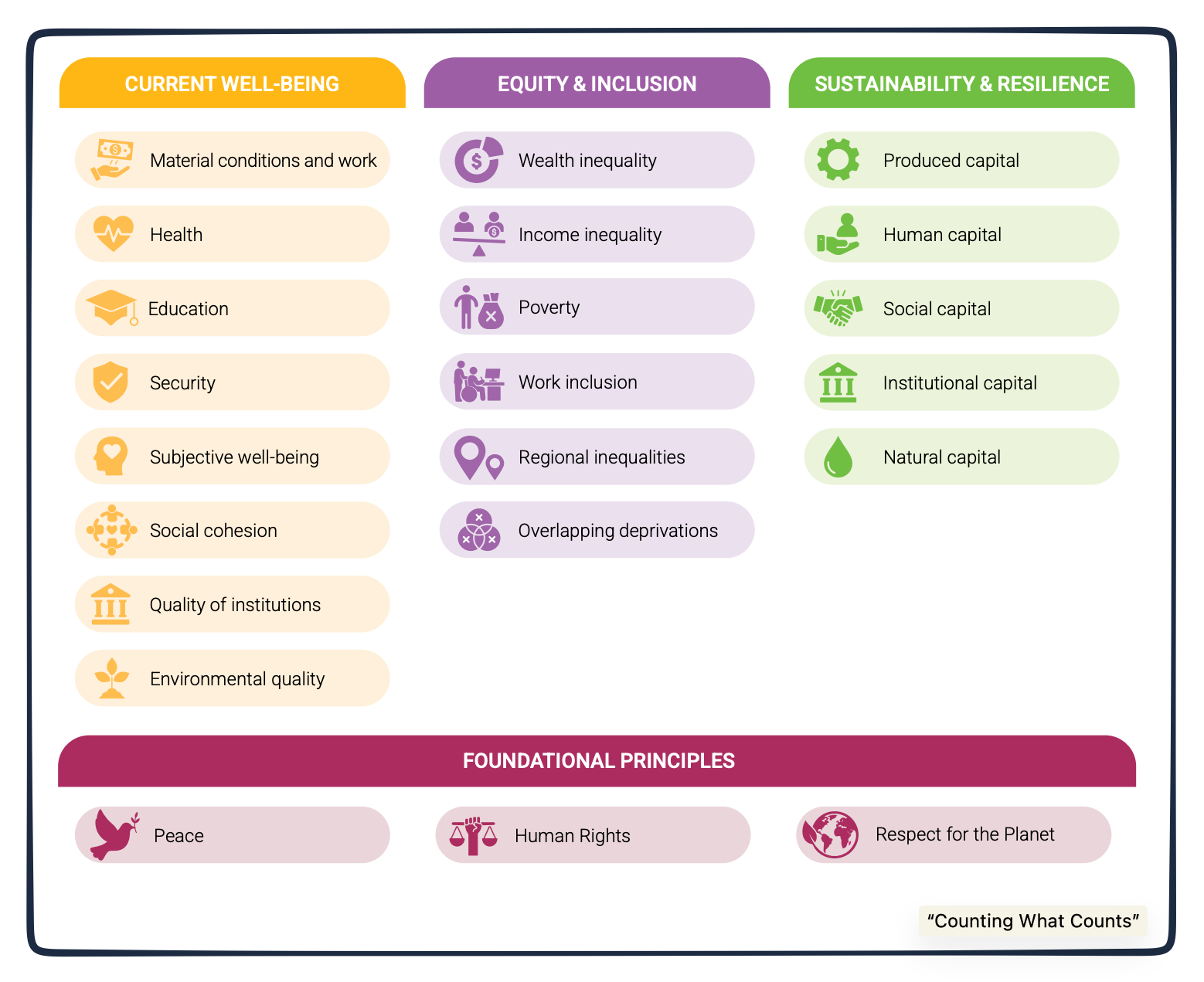
The new report’s remedy is a “Beyond GDP” dashboard. with four buckets that contain 31 metrics.
- Peace, Human Rights, and Respect for the Planet
- Current Well-Being
- Equity and Inclusion
- Sustainability and Resilience
Examples of the metrics:
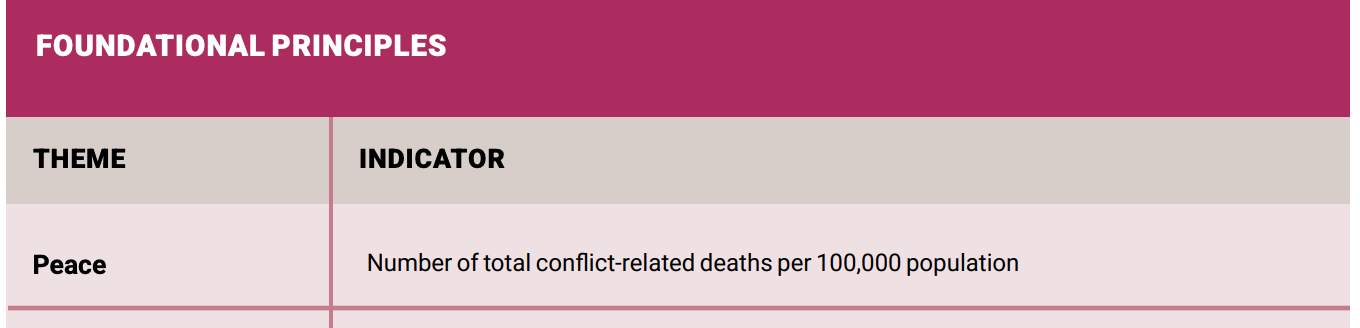
Then, taking us to computation, I’ve copied several of their indicators:
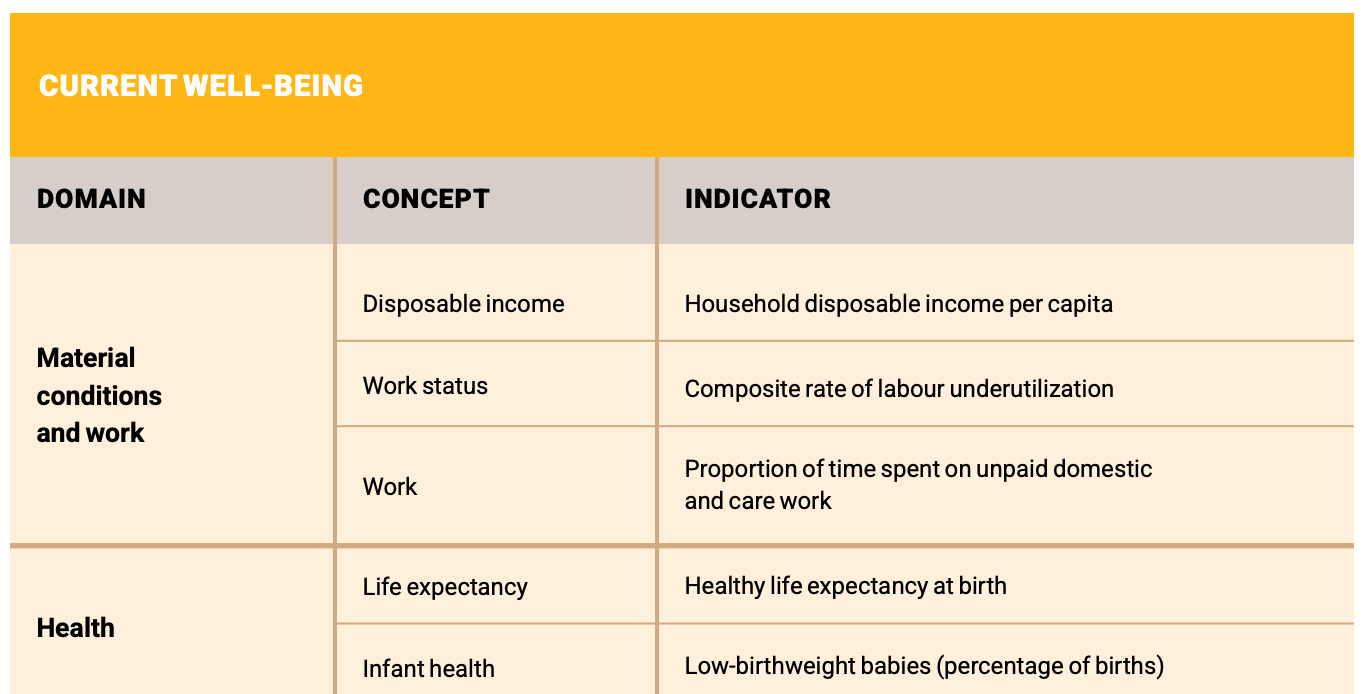
An Opinion
The report generated concern. Many said it was “well-meaning but undisciplined.” Some pointed out that developing nations don’t have the collection capability. Others disagreed about how it could be used.
The report’s defenders reminded us that it was a compromise among individuals from many disciplines.
While some suggested the next step was aggregating it all into a composite, Nobel laureate Joseph Stiglitz said the components would be useful for nations to select what was most important.
Our Bottom Line: the GDP
When Nobel Laureate Simon Kuznets first created the GDP concept during the 1930s, he decided that only market-based legal paid work could be included. Since there was no market metric for work done at home, it was not counted. Neither was the underground economy.
Building from Kuznets’s work, the U.S. GDP details our consumption, investment, government, and net export spending. Then, it lets policy makers identify underperforming components. And, after that, they use fiscal and monetary tools to diagnose and cure our economic maladies.
Meanwhile, as a directive GDP, China’s policy makers choose a target. Then, tasked with a goal, local officials feel the pressure to meet it with the statistics they report. From the local level to the top, by meeting targets, China guarantees what the state can achieve. Correspondingly, they convey their economic power.
So, where are we? We can respect even more what Simon Kuznets accomplished.
My sources and more: Thanks to Slate Money for alerting me to the new UN GDP proposal. From there, we took a look at the report, here and here, and this NY Times commentary. And finally, to decide your GDP preferences, you might enjoy visiting the OECD’s interactive Better Life Index.
Please note that several of today’s sentences were in a past econlife post.