![econlifelogotrademarkedwebsitelogo[1]](/wp-content/uploads/2024/05/econlifelogotrademarkedwebsitelogo1.png#100878)


How Robots Relate to the Minimum Wage
March 8, 2026
How a Bite Started a Burger War
March 10, 2026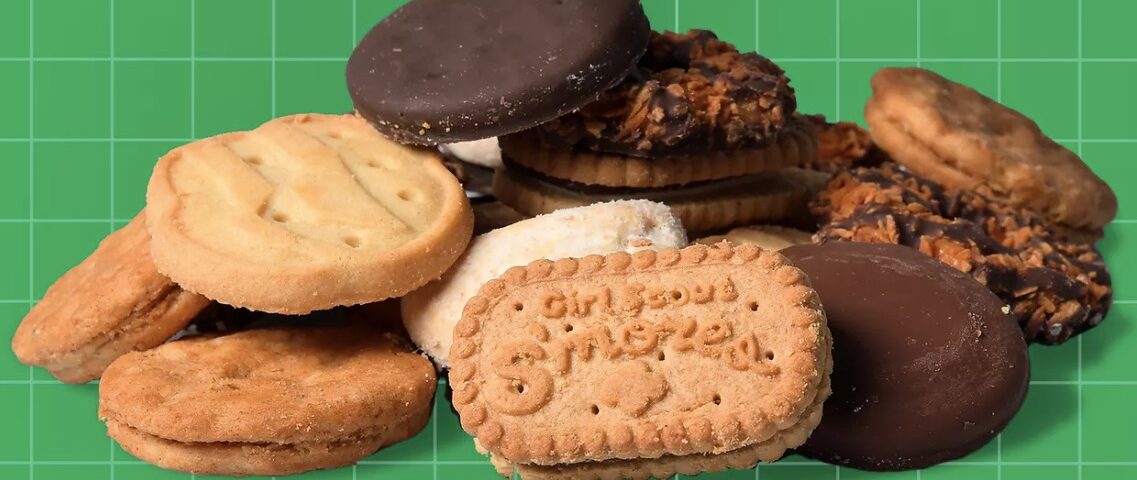
A New Jersey girl scout troop understands economics.
And they got in trouble for it.
Cannabis and Cookies
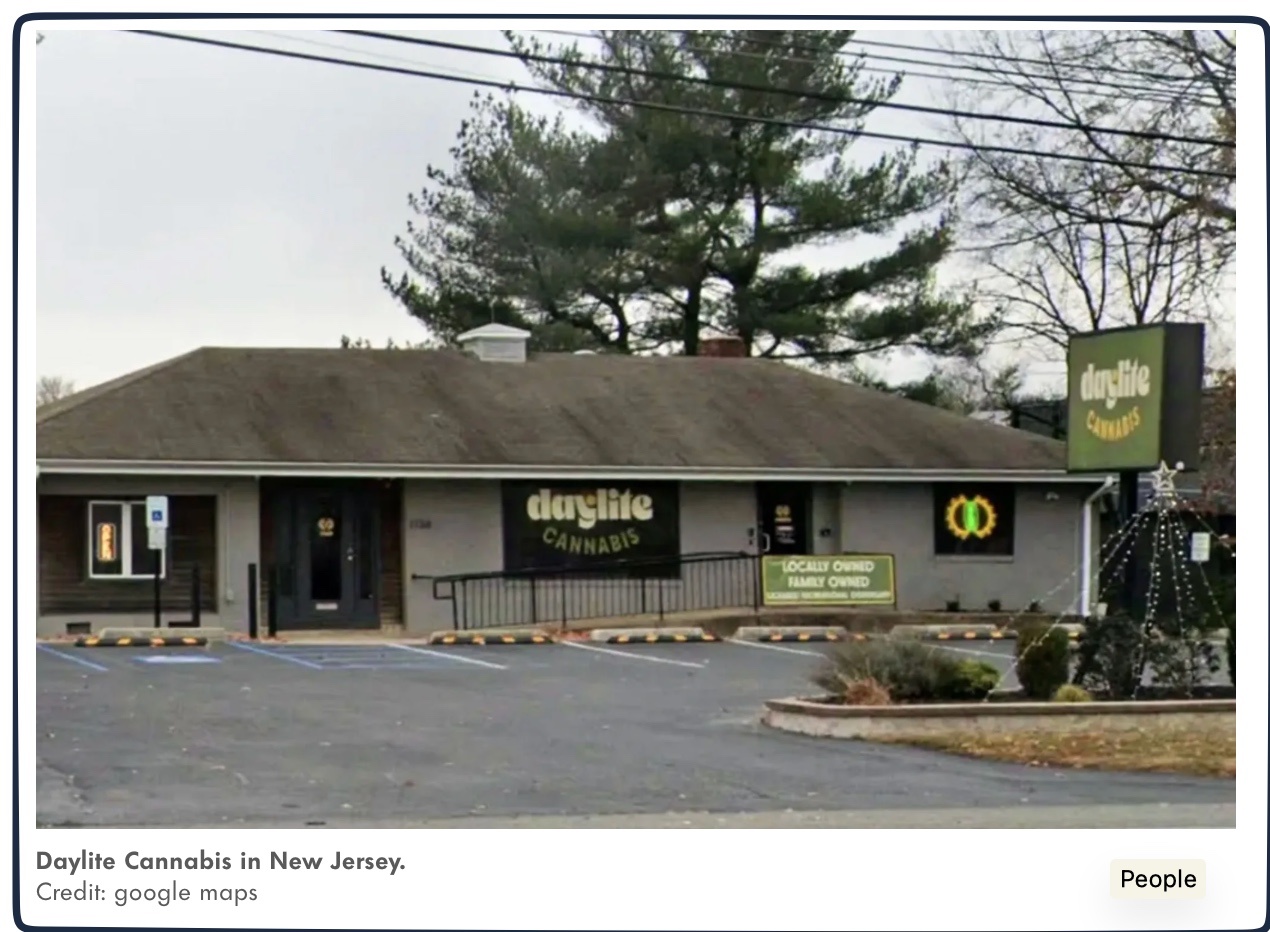
Described by the NY Post, an “enterprising” troop saw the sales opportunity from “munchies-prone potheads.” As a result, after setting themselves up outside the daylite dispensary in Mount Laurel NJ., cookie sales soared. They even had some customers buying the cookies first.
While the initiative had been a trial run approved by Girl Scouts of Central and Southern New Jersey, the backlash will prevent the troop from returning. Expressing regret, the owner of the weed shop said his partnership with the girls was about community groups working together. Also approving, customers said the girls should have earned their entrepreneur badge.
The daylite dispensary:
Our Bottom Line: Determinants of Demand
Cannabis and cookies illustrate classic economics.
Economists know that if you want to boost demand for one item, it helps for consumers to want more of its complement. As one of six demand determinants, a complement shifts the demand curve.
The full list of determinants (my class uses the acronym SUNICE) are:
- substitutes,
- utility,
- number of buyers,
- income,
- complements,
- (future) expectations
Each shifts the demand curve; each increase or decrease demand.
Below we have the cannabis supply curve shifting to the right after legalization. At the same time, the supply shift creates an increase in quantity demanded (a movement on the curve) for cannabis. Responding to the uptick in cannabis, cookie demand increases (a movement of the entire curve):
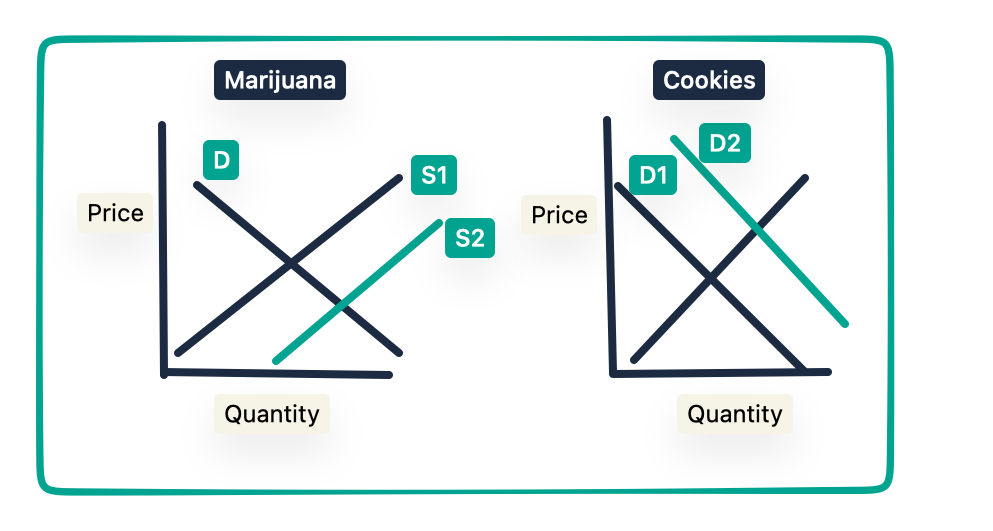
As complements, cannabis and cookies affect each other’s demand. So, when buyers want more marijuana, they also will want more Girl Scout cookies.
My sources and more: The NY Post had the story that inspired today’s econlife. Then, People had more detail.