![econlifelogotrademarkedwebsitelogo[1]](/wp-content/uploads/2024/05/econlifelogotrademarkedwebsitelogo1.png#100878)


What If We Paid Santa?
December 22, 2025
What We Should Know About Holiday Gift Giving
December 24, 2025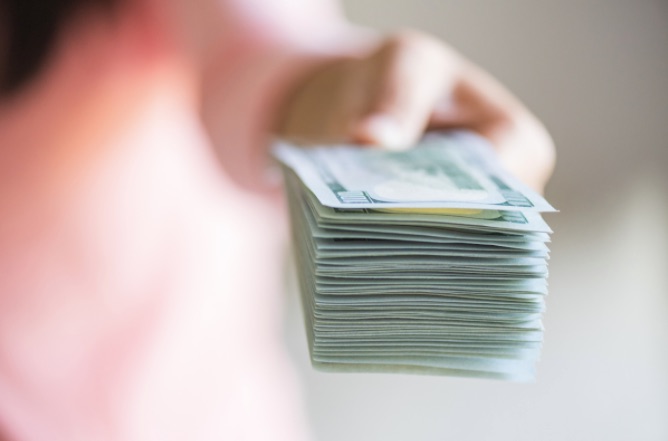
Yesterday, a front page WSJ article, detailed a “no-swipe November.” In debt, a man named Chase decided budgeting did not work but cash could. At Safeway, using cash, he was more aware of the $85 checkout. Visiting his parents in Texas, he had been able to buy a plane ticket with a credit card before November. Then, he could pay cash for the train to the airport and avoid a luggage fee by carrying his duffel onto the plane. To use cash from the airport to his home, he needed a taxi that took cash because he assumed Uber would not. (They do, but not late at night.) At the end of the month, he saved $1700.
The entire experience made him more aware of his spending.
The Psychology of Spending
Commenting on cash, one consumer said, ” I can feel myself losing money in a way I can mostly ignore when I’m simply swiping a card…” A Temple University scholar confirmed that she was typical. As he explained, it all relates to mental accounting and the physical presence of the cash. When we allocate $100 to a certain purchase, having it in our wallet is a reminder of how much we have spent. He also suggested that larger bills constrain our spending because we are reluctant to break them. Described as the “denomination effect,” larger bills are easier to track. Smaller denominations, like credit card transactions, are tougher to recall.
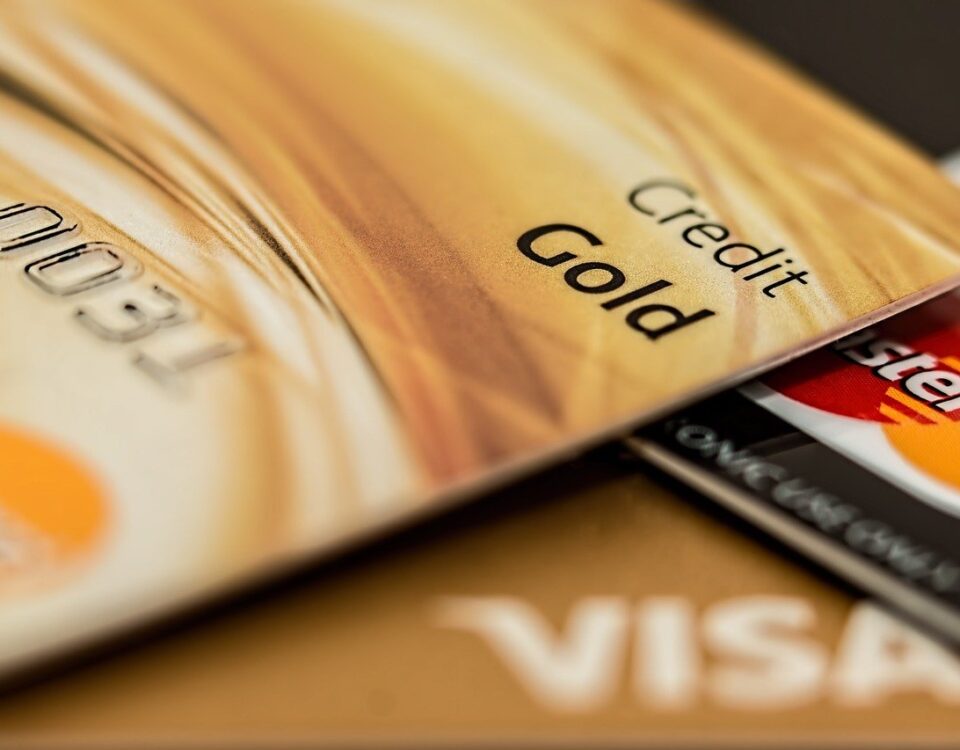
Through a Boston Celtics tickets auction, two MIT professors were among the first to document the impact of cash. With half of the participants using a credit card and the others, cash, at double, the credit card bidders stunningly showed how much more they were willing and able to spend. Other studies–when tipping, at McDonald’s, and with EZ-Pass–also corroborated our willingness to use credit more extravagantly.
Our Bottom Line: Loss Aversion
With loss aversion, a loss impacts us more than the equivalent gain:

Loss aversion combines physiology and psychology. Referring to our physiology, a scientist would name the amygdala, the striatum and the insula. Equipped with pain receptors, our brain is activated when we spend cash. Those of us with a stronger neural reaction tend toward more of an aversion to loss. Somewhat similarly, a behavioral economist would say spent money is invisible when we use plastic or our smart phones. On the other hand, a smaller stash of cash can be painful.
With Sweden, Norway, and South Korea leading the world’s cashless shift, we can ask the larger implications.
My sources and more: Thanks to WSJ for inspiring today’s post. From there, this article and this paper had more about the psychology of money. Then, the Decision Lab explained loss aversion. However, Nerdwallet had the best summary of studies on cash psychology and Wired had more detail on a classic study.