![econlifelogotrademarkedwebsitelogo[1]](/wp-content/uploads/2024/05/econlifelogotrademarkedwebsitelogo1.png#100878)


How the Iran War Affects More Than Oil
March 11, 2026
Where Do We Care the Most About Gas Prices?
March 13, 2026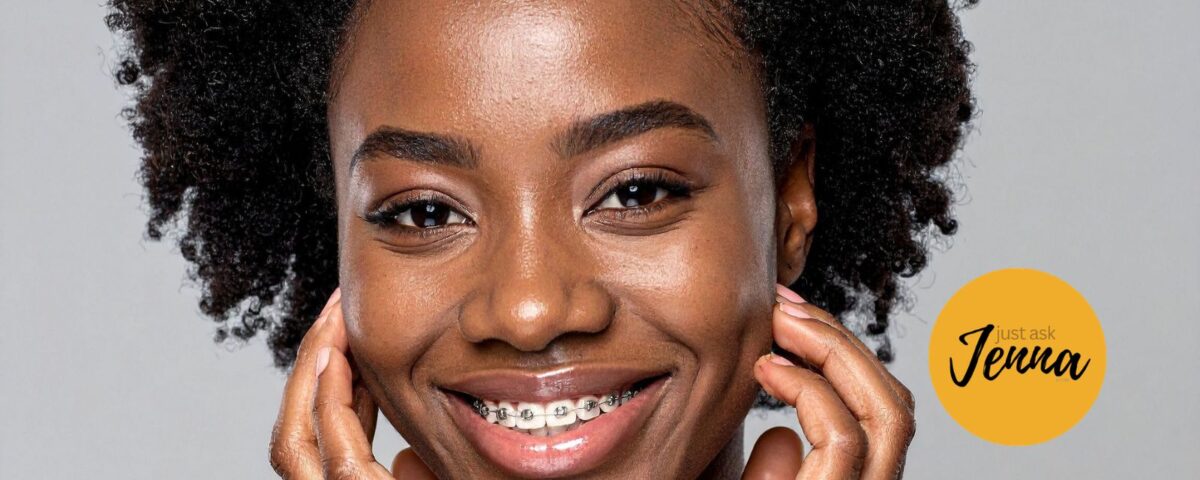
by Jenna C, ’26

Dear Jenna,
I recently started thinking about getting braces to fix my smile, even though I’m no longer in high school. Most of my coworkers had braces when they were younger, and now their teeth are perfectly straight. I sometimes feel self-conscious about my smile when I’m in meetings or meeting new people at work. Braces are expensive, so I’m not sure if it’s worth the cost. Is it really a good idea to invest in something like this just to improve my appearance?
From,
Self-Conscious Smile
 Dear Self-Conscious Smile,
Your question actually connects to an important idea in economics called return on investment (ROI). ROI is a way economists evaluate whether a decision is worthwhile. It compares the gains you expect to receive from an investment to the cost of making it. In simple terms, ROI asks whether the benefits of something outweigh the price you pay for it.
When people think about investments, they usually think about stocks, businesses, or real estate. But economists also talk about investing in human capital, which means improving the skills, abilities, or qualities that make someone more productive and valuable. Education, training, and even aspects of professional appearance can all be considered forms of human capital.
Research has also shown that appearance can sometimes affect economic outcomes. Economist Daniel Hamermesh, who is well known for studying what he calls the “beauty premium,” found that people in the top third of attractiveness tend to earn about 5% more than average-looking workers, while those in the bottom third earn about 10% to 12% less. More recent research continues to show similar effects. A 2025 study of more than 43,000 MBA graduates found a 2.4% beauty premium in earnings that grows over time. On average, this translates to about $2,508 more per year, rising to roughly $5,528 annually for the top 10% most attractive individuals. Some studies also suggest that self-perception plays a role, with workers who consider themselves extremely attractive earning about $20,000 more per year than those who rate themselves as unattractive. While appearance is obviously not the only factor that determines someone’s success, these studies suggest that first impressions and professional presentation can still influence hiring decisions, promotions, and long-term career outcomes.
Because of this, improving something like your smile could be viewed as an investment in yourself that may produce a positive return over time. If the confidence and professional advantages you gain outweigh the cost of the braces, then the ROI could be positive. Economists would compare the upfront cost of the treatment with the long-term benefits such as increased confidence, stronger first impressions, and potential career advantages.
Of course, the decision is still personal. Not every investment needs to be purely financial. If improving your smile helps you feel more confident and comfortable in your daily life, that benefit alone may make the investment worthwhile. In that sense, the return may show up not just in your paycheck, but also in how you carry yourself every day.
Best of luck!
Jenna
Disclaimer
The information provided from Just Ask Jenna is for informational and educational purposes only and should not be construed as professional advice. While every effort is made to ensure the accuracy and reliability of the information shared, the author makes no guarantees of any kind regarding completeness, accuracy, or suitability for any particular purpose.
All opinions expressed are solely those of the author and do not represent any affiliated organizations or entities. We also wanted to note that we are exploring the use of AI in generating topics.