What Pizza Says About the Economy
October 21, 2026
Worried about choke points, shippers are looking for alternatives:
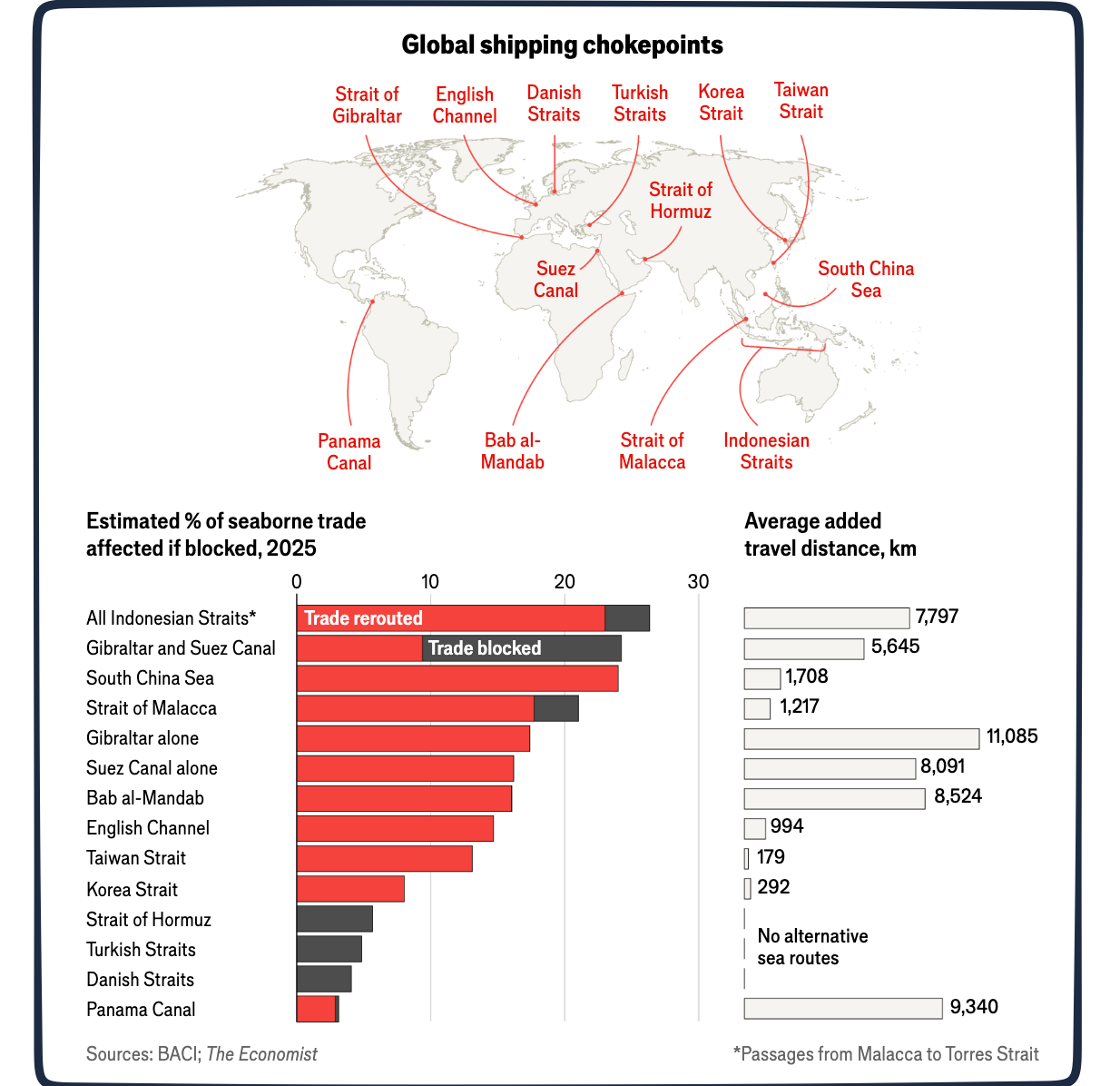
One possibility is the Northern Sea Route.
But there is a big problem.
The Northern Sea Route
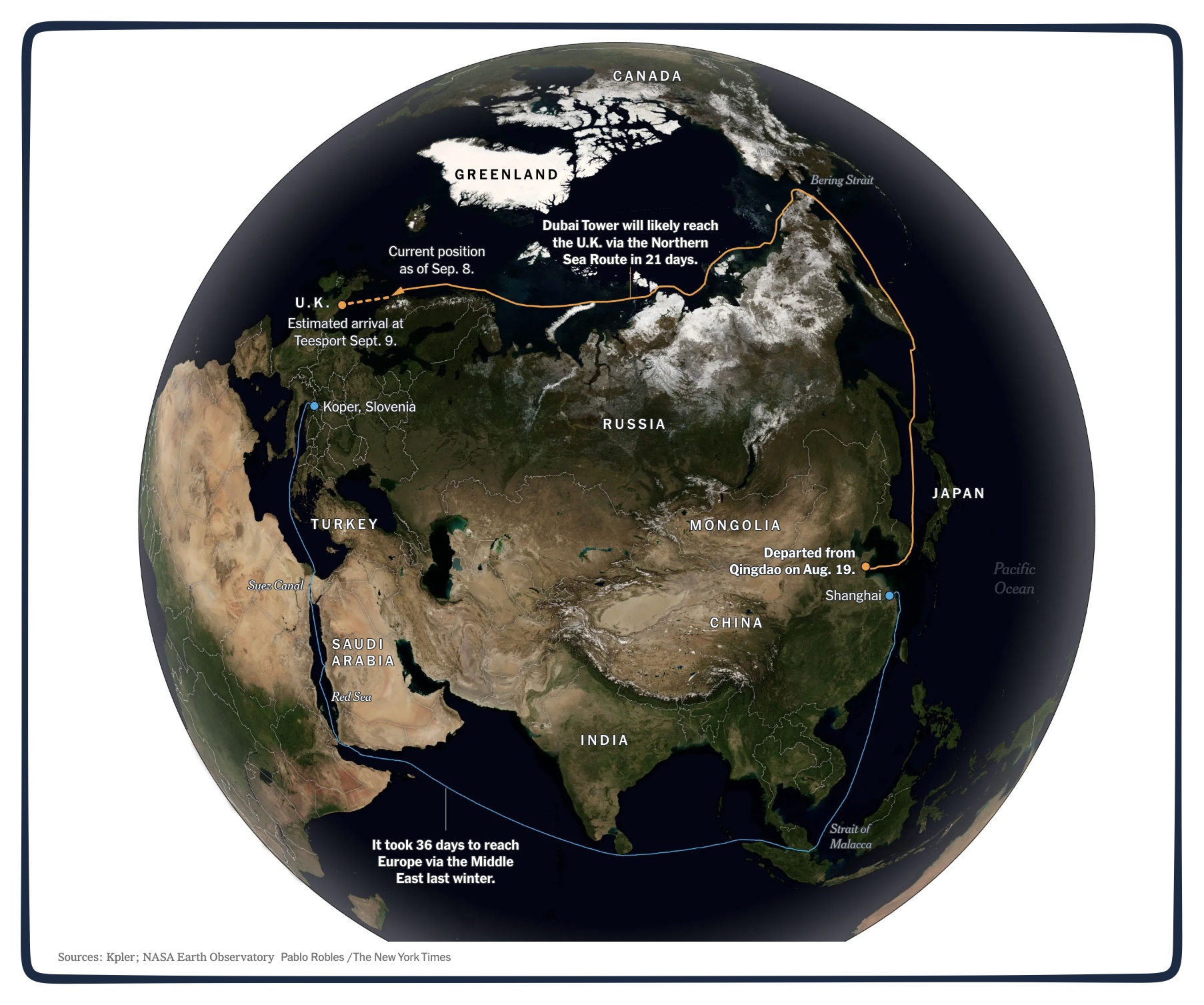
A Chinese cargo ship, the Dubai Tower, departed from Ningbo-Zhoushan on August 15. Lasting close to three weeks, its journey through the Arctic shortened typical Asia-to-Europe travel time by avoiding the Suez Canal and the Cape of Good Hope. However, for very good reasons, during 2025, 13 cargo vessels selected the shortcut while 1800 container ships went through the Suez Canal.
Dangerous at all times, the Northern Sea Route is navigable by some commercial ships during the warmer months. However, even when they travel during August and September, still it is likely that they will be accompanied by a Russian icebreaker. In addition, Russia requires expensive permits and insurance companies expect premium payments. Although the Dubai Tower had an ICE-1A rating that meant structurally, it could navigate 2.6 feet thick, it is likely that it had an icebreaker escort.
You can see how the Dubai Tower’s route took it through the Arctic’s icy waters. :
The ships that facilitate Northern Sea Route passage break up the ice ahead of normal traffic. However, making an icebreaker takes a special kind of thicker steel that also can be shaped into a smooth curve for the ship’s hull. Then, to crack and shift the ice, the vessel needs massive propulsion. Tough to imagine, the bow cracks the ice by moving on top of it and then nudges it under adjacent ice.
Once the water is clear, a vessel can sail through:

Climate Change
Arctic sea ice is diminishing:
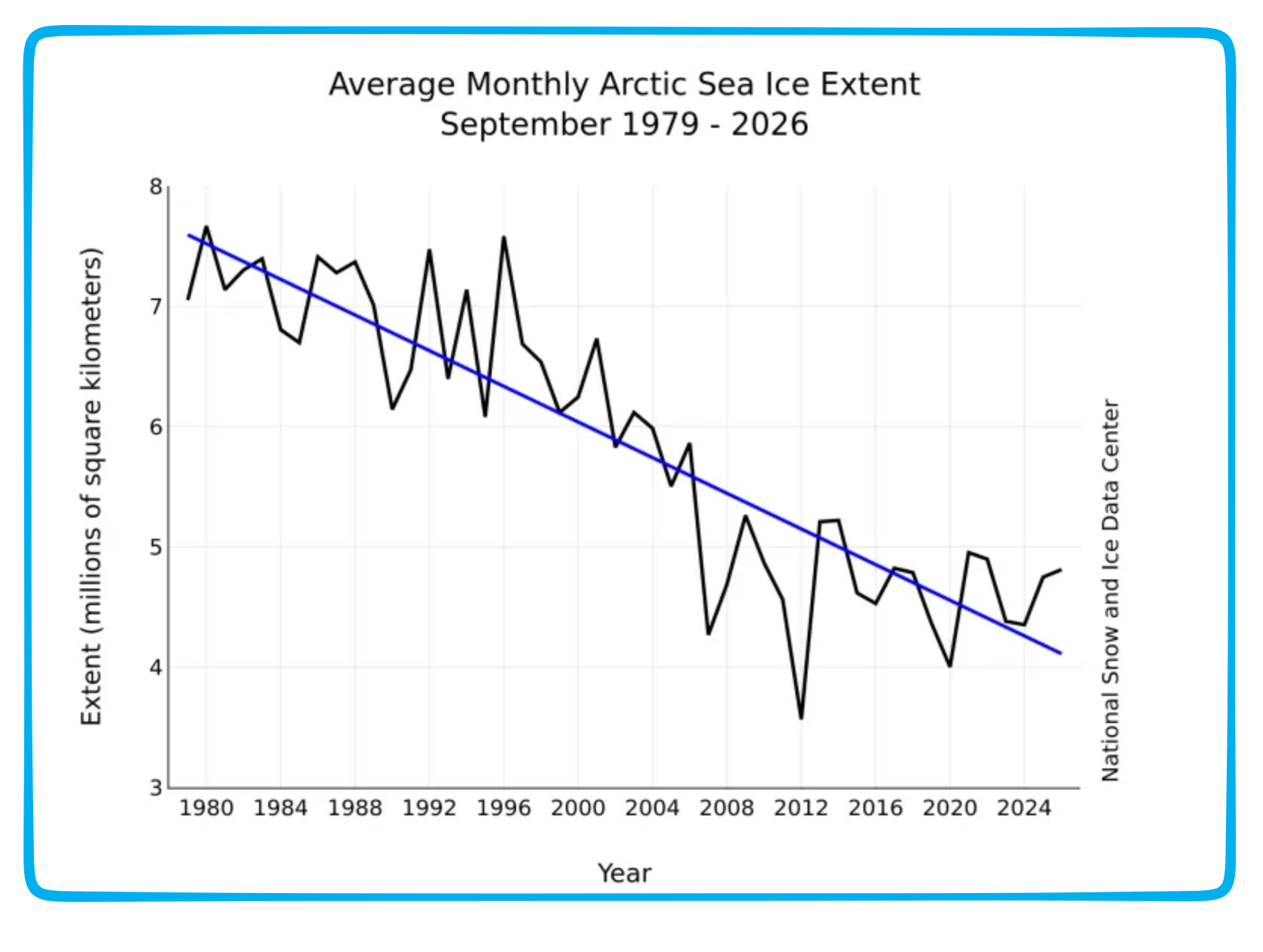
This year, on September 12th, it tied 2008, 2010, and 2025 with the third lowest minimum for Arctic sea ice levels, and a similarly low maximum in March. Noting that recent cloudy weather has constrained melting, scientists explained that the young ice is thinner and melts more easily. As a result, they predict that, at this rate, we could have an ice-free Arctic within a century.
NASA satellites documented the smaller amount of Arctic sea ice: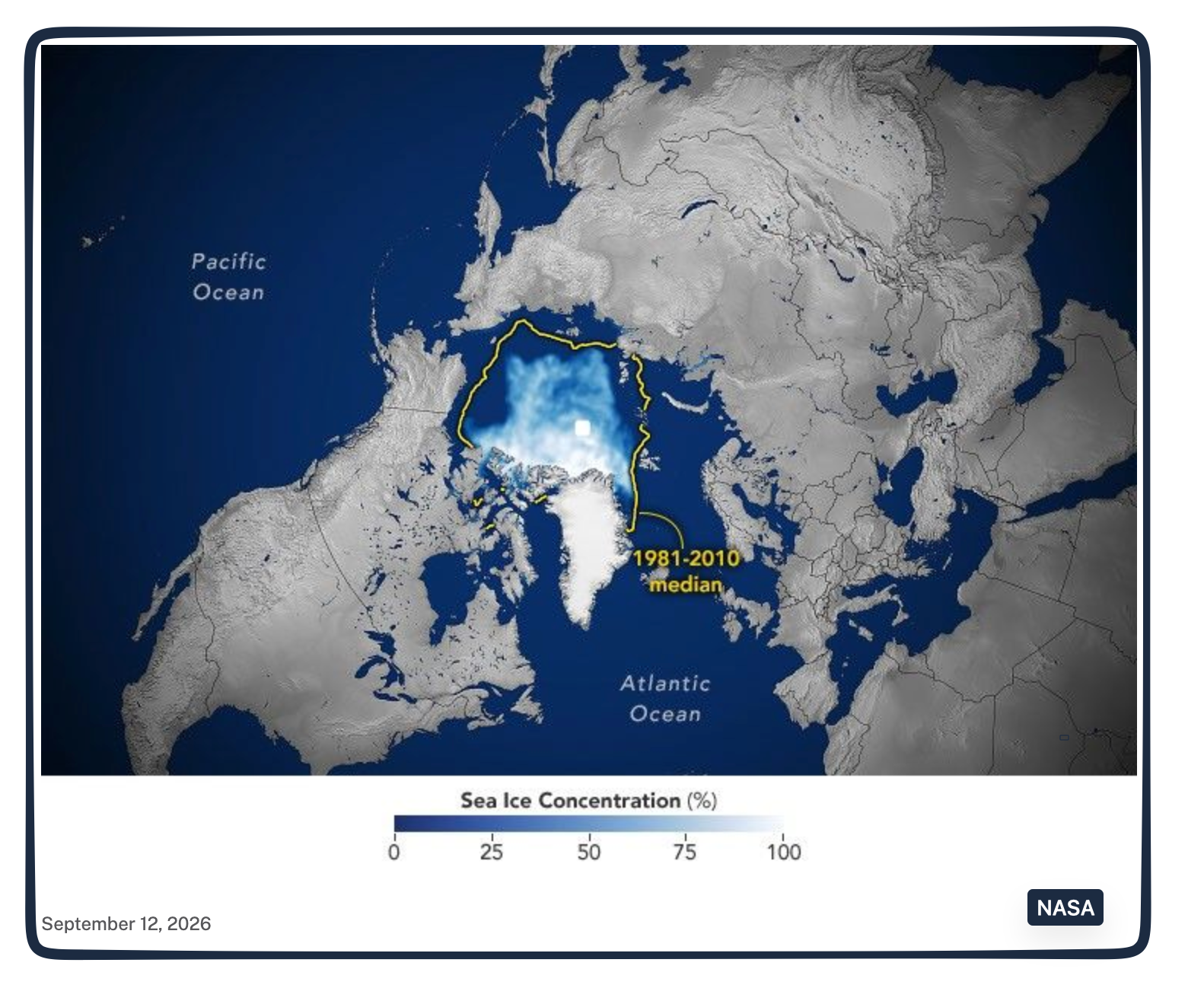
Our Bottom Line: The Factors of Production
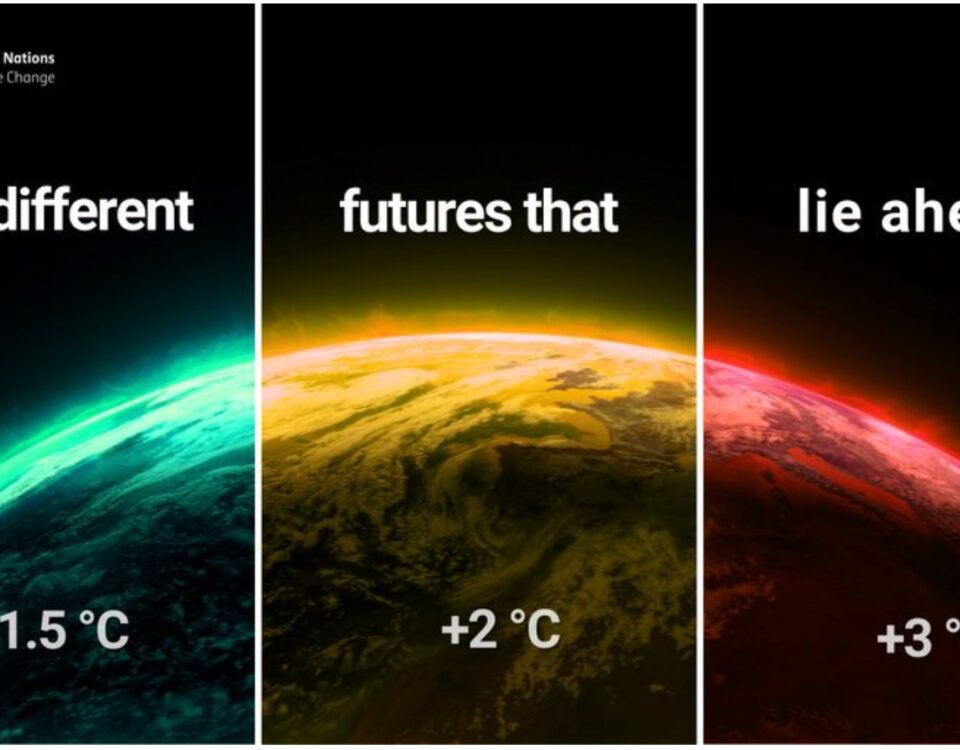
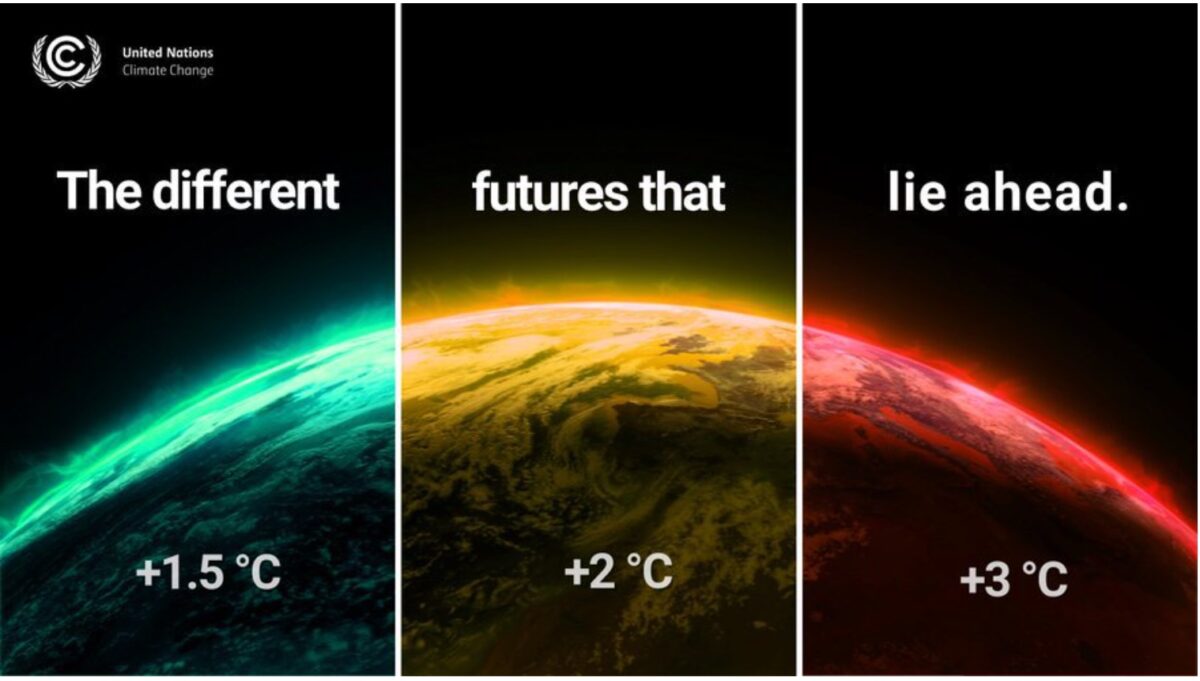
As climate change makes the Arctic more accessible, and shipping traffic multiplies, it will transform the region’s land, labor, and capital.
Thinking about a more accessible Arctic, we have to start with its land. Defined as natural resources, so barren an expanse hides massive wealth beneath its surface. Including titanium, palladium, nickel, cobalt, and zinc, and oil and gas, the list of minerals is long. We could also name the natural resource-laden Lomonosov Ridge (an undersea mountain, covering as much as 1,100 miles and rising to 12,000 feet) that Russia, Canada, and Greenland each say belongs to them.
Furthermore, the labor it will require is brutal. Crews that have worked there report that alcohol was prohibited, there were almost no women, and the darkness is depressing. Also, the farther north you go, the more dangerous the digging and drilling become. And it’s really cold–negative 60 degrees.
While the icebreaker is the standout for the capital part of our equation, we should consider the mining and drilling equipment that need to be hauled up there and then maintained.
So where are we? Once global warming makes the Northern Sea Route a viable alternative, it will transform a pristine landscape.
My sources and more: Thanks to this article for inspiring us today. From there, we went to NASA, here and here.