![econlifelogotrademarkedwebsitelogo[1]](/wp-content/uploads/2024/05/econlifelogotrademarkedwebsitelogo1.png#100878)

Why a Coding Robot Cares About Tariffs
February 16, 2026
What We Can Learn From the S&P 500
February 18, 2026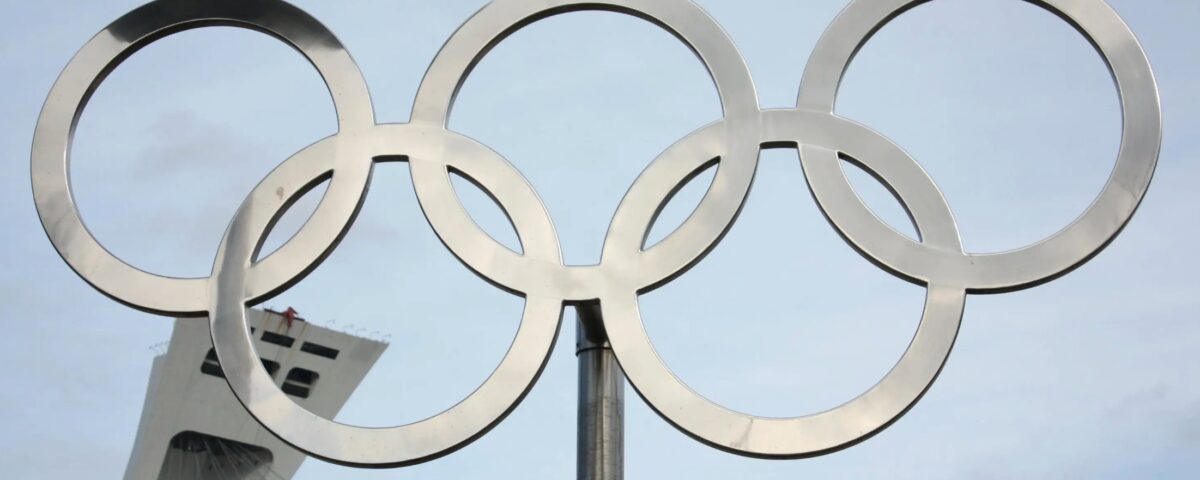
While Spanish figure skater Tomàs-Llorenç Guarino Sabaté had practiced a medley from the Minions, days before his performance, he was told he had a copyright problem. Worried he had to switch to the Bee Gees, Sabaté got the okay from Universal “for this one special occasion” on the Friday before his Tuesday competition.
Less fortunate, Russian neutral athlete Petr Gumennik had to change his program two days before his performance. Planning to use music from “Perfume: The Story of a Murderer,” he never received the formal permission. Instead he skated to “Waltz 1805” by Edgar Hakobyan.
Both skaters had to deal with intellectual property rights.
New Music Rules
After Sochi, in 2014 the ISU (International Skating Union) recognized that Swan Lake was not grabbing younger viewers. Knowing it was time to resuscitate the sport and attract a new audience, they said lyrics could accompany a skating program. However, unlike the old classical favorites, more contemporary music was not in the public domain. Consequently, skaters had to deal with music rights. Even seconds of an excerpt could require an okay from the record label, the song writer, the publisher, even the performer, and perhaps a hefty fee.
Some Skating Music History
Still, they switched.
During the 2018 PyeongChang Olympics, the Beatles. Adele, and Coldplay were among the skaters’ choices, and in 2022 Nathan Chen won the gold with Elton John’s “Rocket Man.”
This year, Alysa Liu skated to Laufey’s “Promise” at the Winter Olympics:
In a 2018 article, WSJ demonstrated the diminished presence of classical music: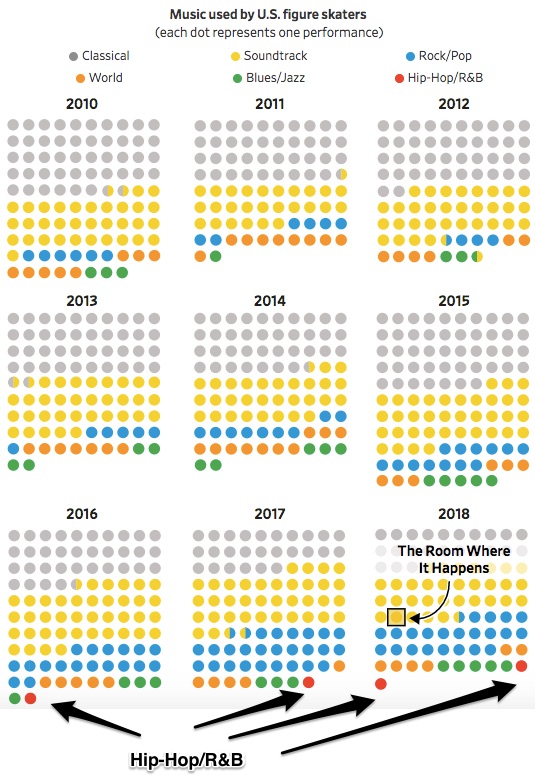
Our Bottom Line: Intellectual Property Rights
As economists, our concern is intellectual property. Similar to a tangible good, the songs we create belong to someone. The owners control distribution for as long as the law permits. And, for that reason, we have more incentive to innovate.
Sometimes, though, innovation creates questions. During the 2026 Olympics, Czech ice dancers Katerina Mrazkova and Daniel Mrazek used AI generated music from the New Radicals’ 1998 hit “You Get What You Give” but they changed the words. Soon people will surely ask who owns what.
My sources and more: Thanks to the NY Times, here and here for reminding me to return to Olympic figure skating music. From there, we found more detail here, here and here. But if you want to know the specific genres selected by the skaters, do look at this wonderful history from WSJ.
Please note that several of today’s sentences were in a past econlife post.