![econlifelogotrademarkedwebsitelogo[1]](/wp-content/uploads/2024/05/econlifelogotrademarkedwebsitelogo1.png#100878)


How Did China Get Blueberries?
September 21, 2026
A Very Large Reason For Rising Gas Prices
September 23, 2026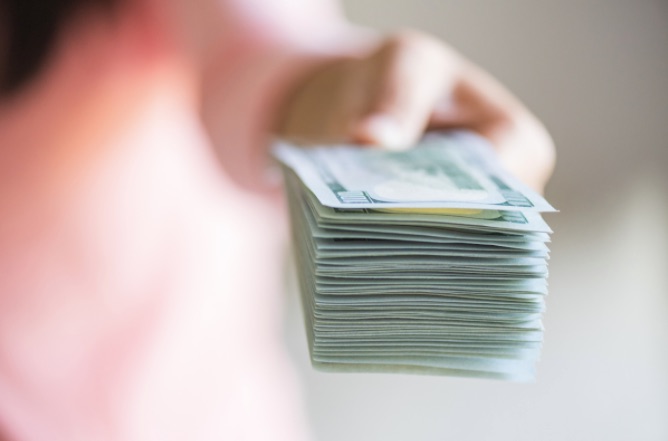
In South Korea, the goal was more babies. Now, in Singapore, it’s reading.
For the Singapore program, to earn 20 virtual coins, you just have to record on a government website that you read for a 15-minute session. Then, one thousand coins will get you one Singapore dollar (USD/80 cents). Because the max is one session a day, you need 100 days to earn $100 Singapore dollars.
Called “earn-as-you-read,” will it work?
Pay Incentives
Recent birth rate statistics indicate South Korea’s incentives were unsuccessful. As for Singapore, they are still collecting data from a pilot phase.
However, other pay programs could signal Singapore’s chances for success. A top study from Harvard economist Roland Fryer indicated structure mattered. As a result, the initiative needed to reward inputs rather than output. That meant when second graders were paid per book, they read more. However, when NYC targeted higher grades, they provided no path to get there and had little success. Another study from Leavitt, List, and Sadoff saw success with “cusp” students. Then, the students that were close to passing were nudged over the threshold by the reward. In addition, the pay seemed to have more impact on students from lower-income homes.
Concerned with how indefinite this appears, I wanted to add a solid sleep study. Showing the value of rewarding inputs, researchers paid college students for sleeping at least 7 hours a night. The results? Their grades went up.
Our Bottom Line: Monetary Incentives
So yes, pay incentives have a mixed record. Deciding if they work, we have a slew of variables. Freakonomics economist (University of Chicago) Steven Levitt and other scholars concluded that it all depends on the child’s age and sex, whether the award is financial or non-material, delayed or immediate, and how it is “framed” as a gain or a loss. In addition, Fryer told us that monetizing input mattered more.
And finally, stepping away from results, we can ask if we want valued behaviors to become transactional.
My sources and more: Thanks to Marginal Revolution for alerting me to Singapore’s reading initiative. From there, it made sense to return to this past econlife and then find the South Korea update and pay incentive research. Also, you might enjoy listening to a Roland Fryer interview during this EconTalk podcast. Perhaps, though, this sleep study was most interesting.