![econlifelogotrademarkedwebsitelogo[1]](/wp-content/uploads/2024/05/econlifelogotrademarkedwebsitelogo1.png#100878)


How Has the U.S. National Debt Changed in 2025?
December 30, 2025
Just Ask Jenna Looks At Receiving Gifts
January 1, 2026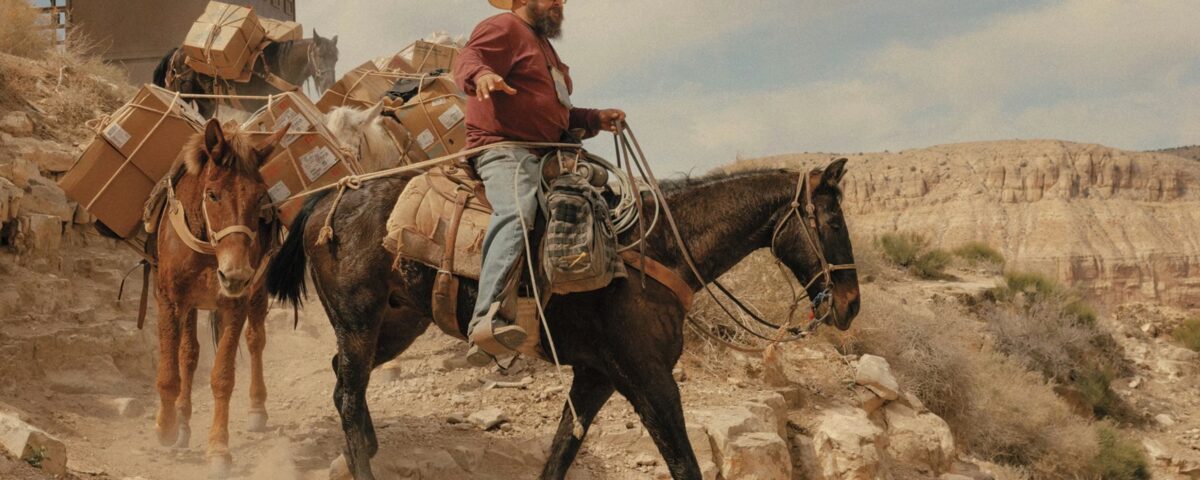
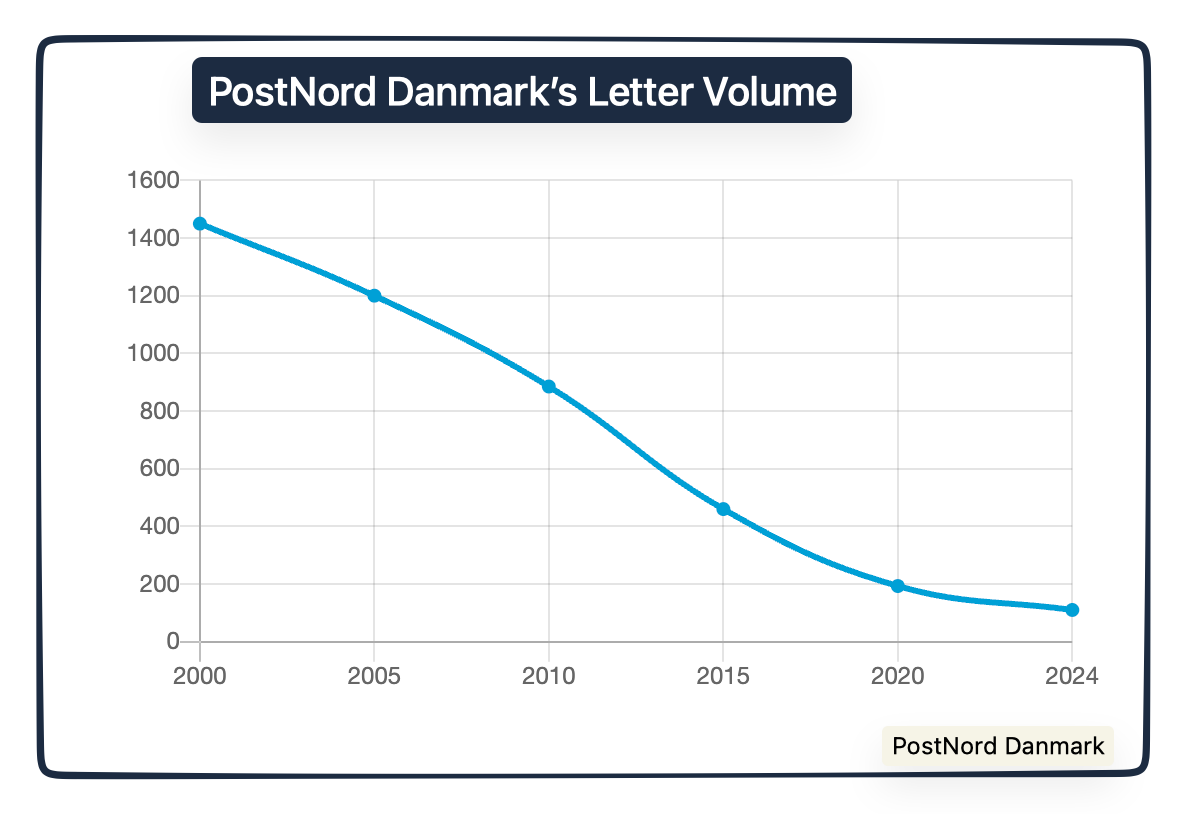
Yesterday, Denmark’s postal service delivered its last letter. After 401 years, it decided to stop.
Their letter volume answers why:
The U.S. also has a letter problem.
Mail Delivery
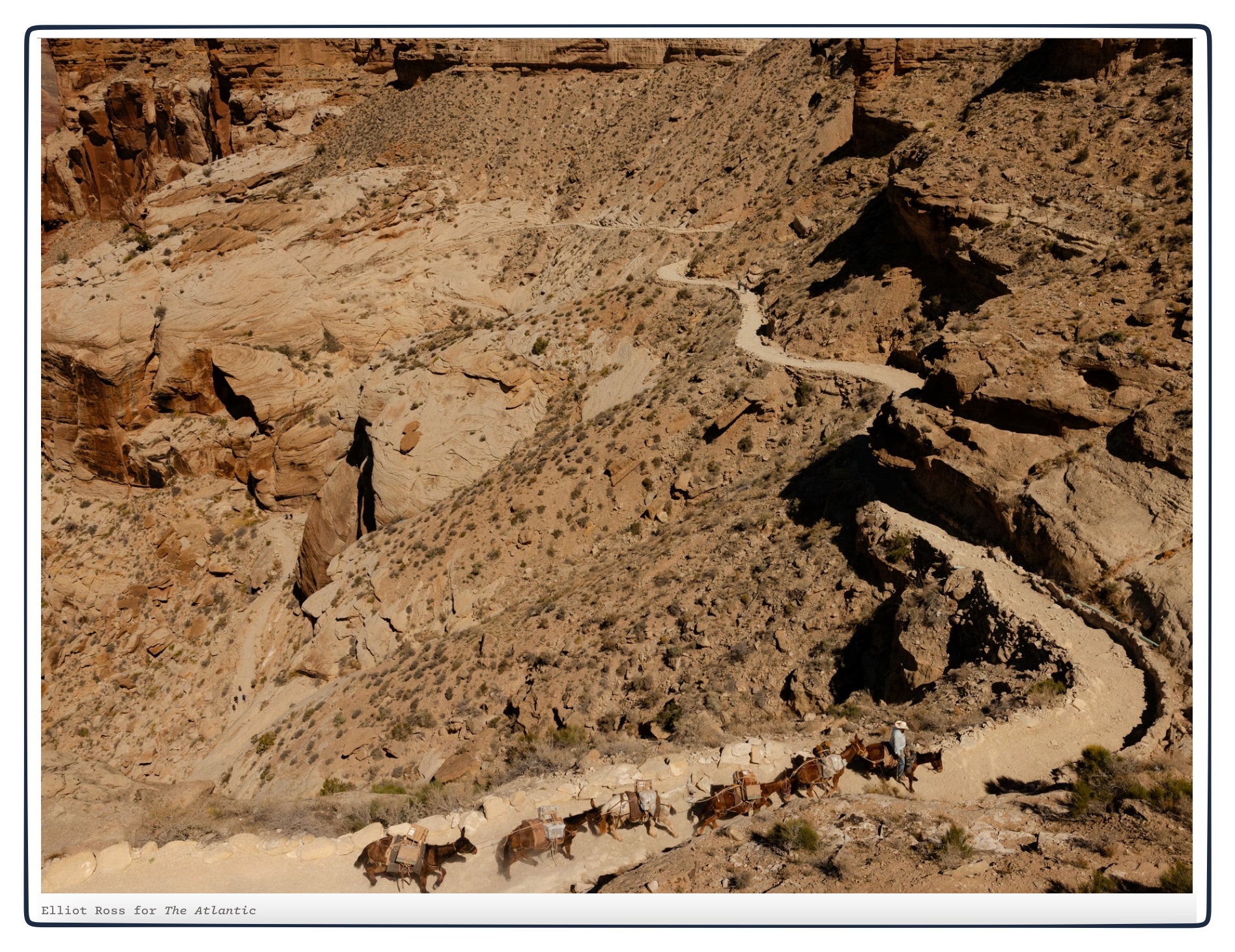
The United States continues to deliver mail to Grand Canyon residents that live in Supai. In the last route serviced by mules (our featured image), they travel along a cliffside trail. Similarly, in a boat, the US Postal Service delivers to 31 miles of dock-side mailboxes along the Magnolia River in Alabama. So yes, promising us universal and dependable mail delivery, according to the Universal Postal Union, the U.S. Postal Service gets a high score for “Reach.”
Navigating a 2,000 foot descent, mail delivery includes letters, lab work, and even a cash supply for the 200 (or more) Supai residents. While the temperature could be 110 degrees and a 1,000 foot switchback drop, still the Post Office delivers:
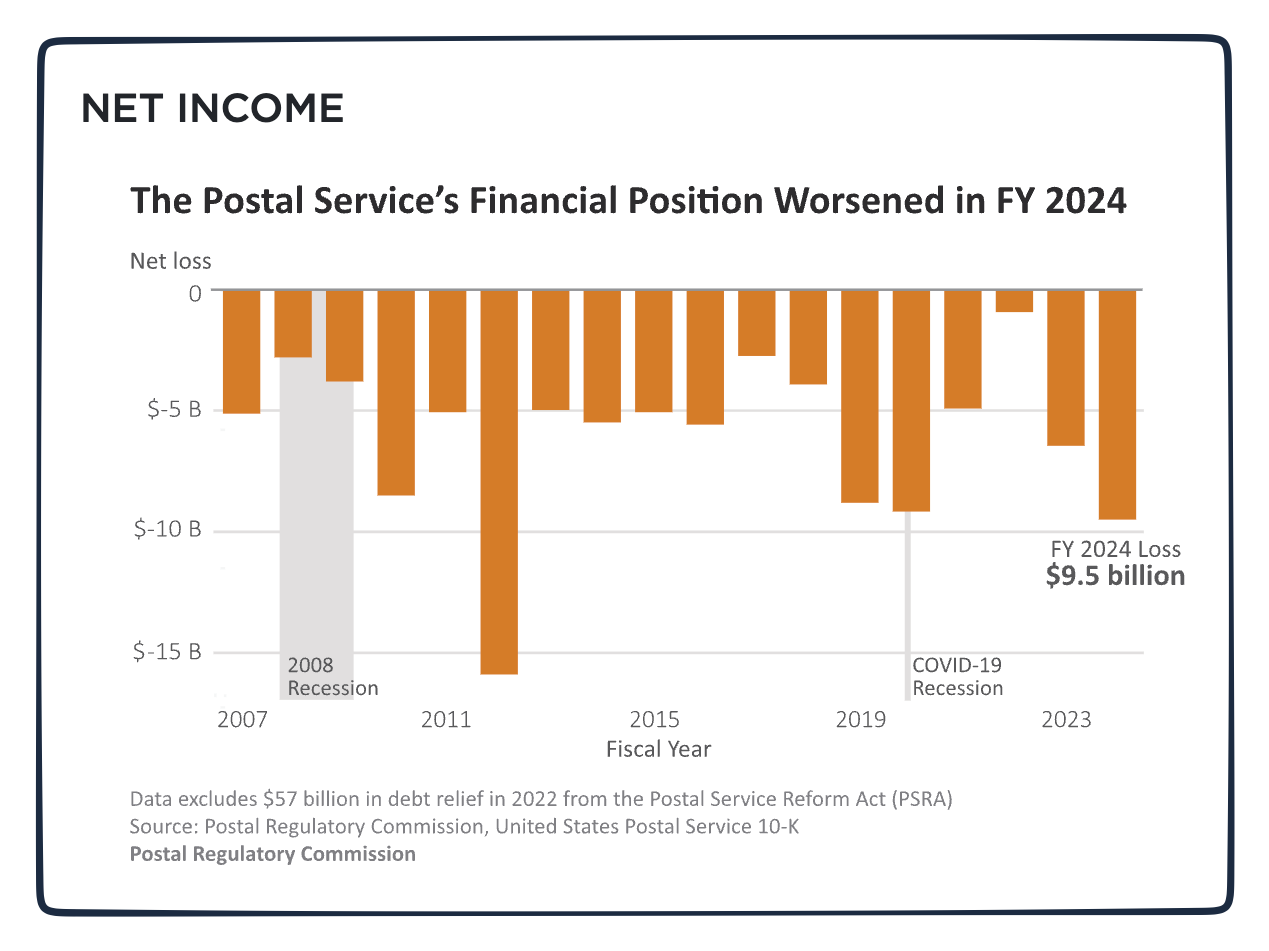
However, the USPS’s financial situation is dismal:
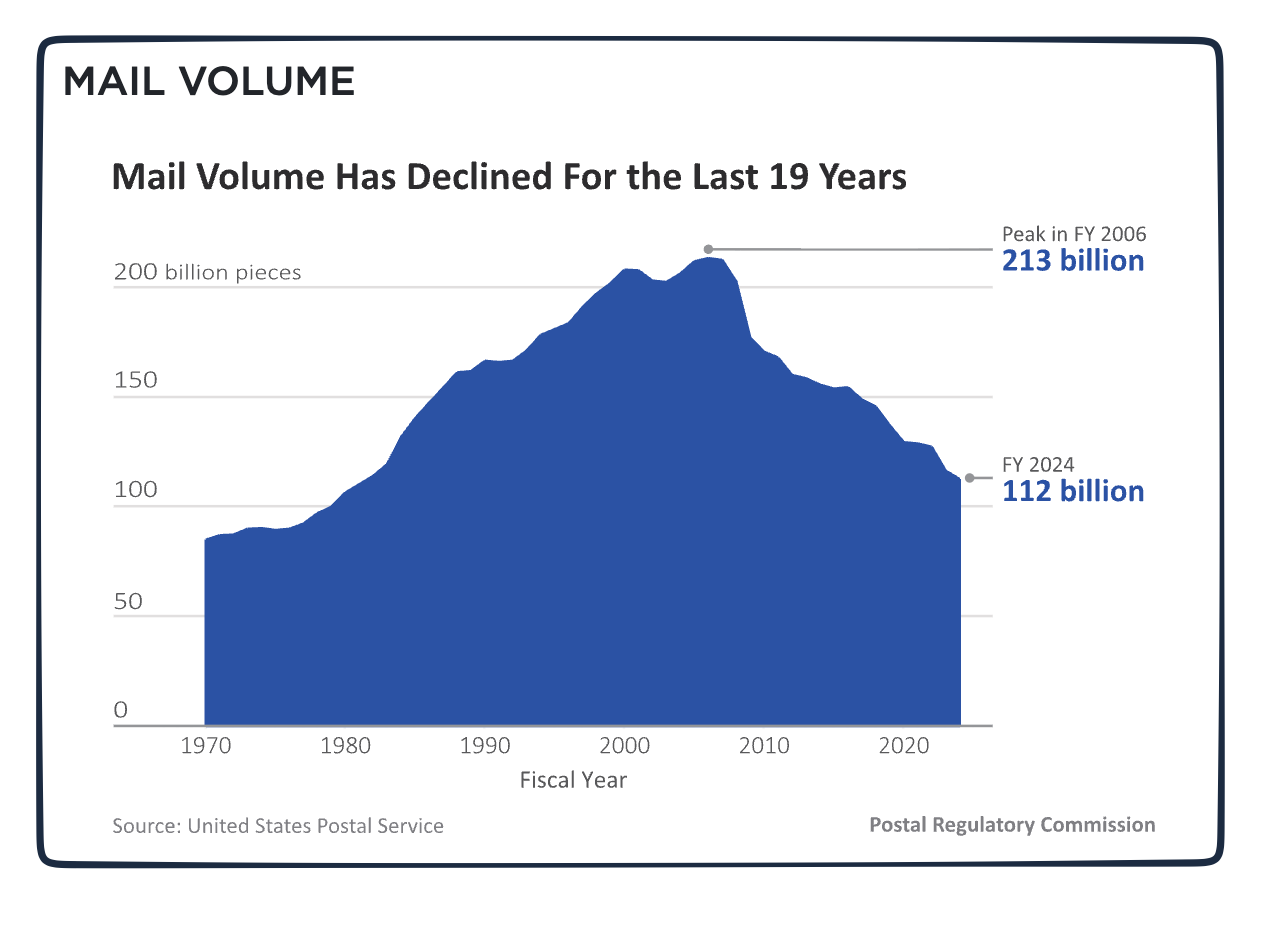
And like Denmark, during FY 2024, U.S. mail volume has plunged:
Some History
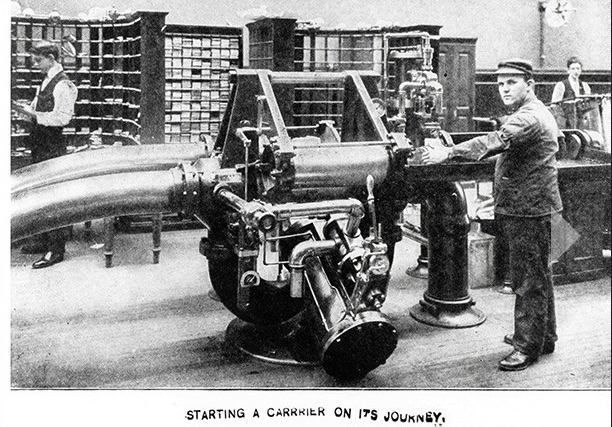
As our first postmaster, Ben Franklin established our home mail delivery system in 1775. By adding wagons that traveled at night to the normal daytime routes, he cut in half the delivery time between New York and Philadelphia. Similarly, when carriers started sorting letters on the trains that carried them, the mail moved faster. Next, we took a giant step with pneumatic tubes. In cities that included Philadelphia, New York and Chicago, the new technology carried the mail at 35 mph.
These pneumatic tubes launched mail canisters:
Our Bottom Line: Information Infrastructure
At this moment, our postal system is burdened by Congressional gridlock, isolated from the progress of the private sector, and sapped by diminishing letter volume. However, it provides crucial and dependable service to needy segments of our population. Touching ethics and finance, its future is a big question.
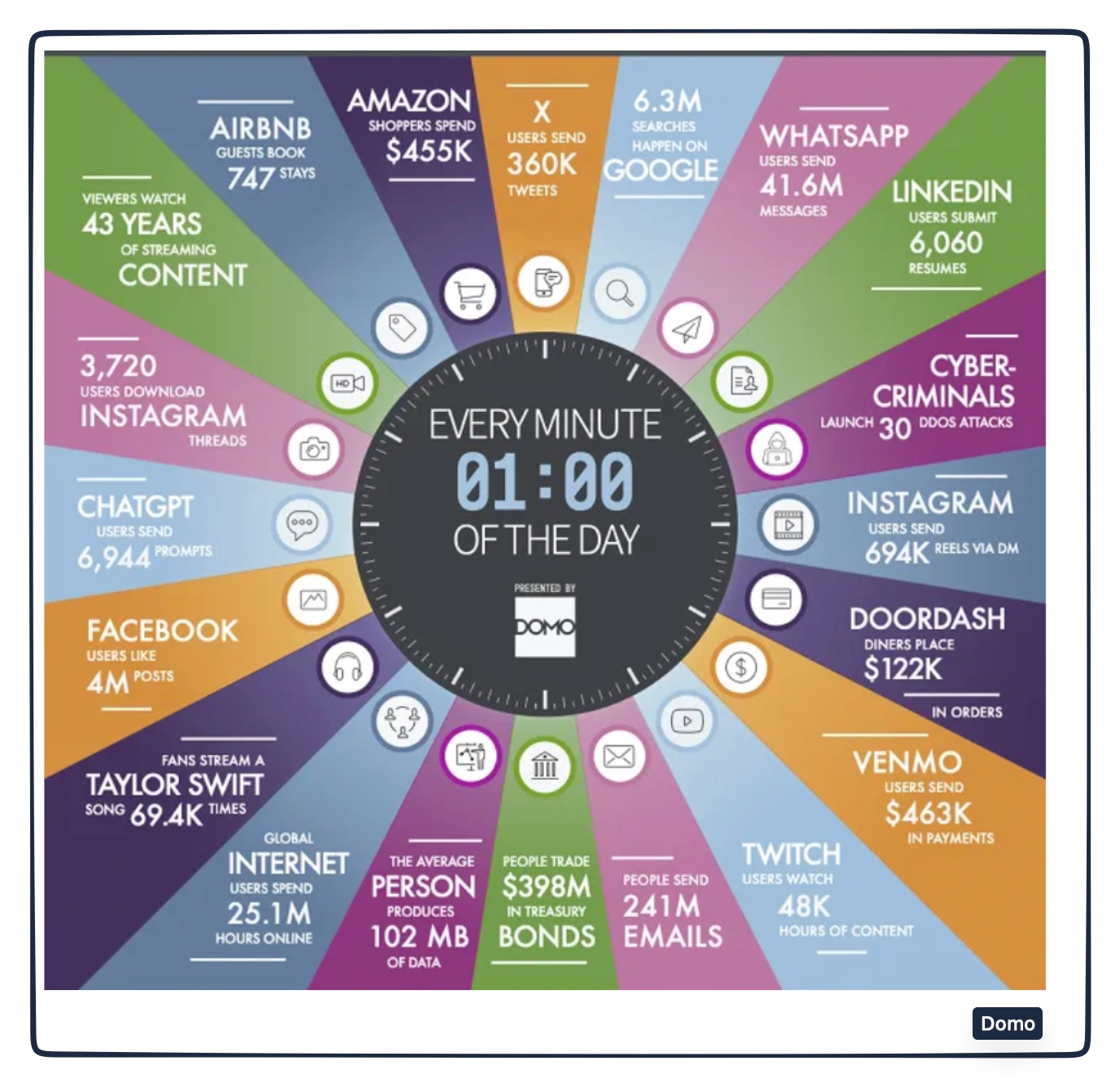
As economists, we know that a market system requires the fast-moving accurate data that an information infrastructure carries. Delivering that data, the composition of our information infrastructure ranges from smartphones to the mail truck and the thousands of EV planned charging stations.
Extending unimaginably beyond Ben Franklin’s wildest dreams, our current information infrastructure is tangible and virtual:
Remembering Denmark’s decision, we can ask what role the USPS should play.
My sources and more: Thanks to the BBC’s World Business Report podcast for inspiring today’s post. Then, Politico had more detail that took me to Denmark’s PostNord and a USPS report. From there, this Atlantic article had the great Grand Canyon facts.
Please note that several of today’s sentences were in a past econlife post.