Why Arctic Sea Ice Is About Much More Than Glaciers
October 22, 2026
We could start our wealth tax story in 15th-century Italy when Florence levied its Catasto. Shifting from land-related revenue to more liquid assets, the Florentine government needed more wartime funding. Through the “Law of the Catasto,” from 1427 to 1434, a government-appointed 10-person commission documented city residents’ property. (Interestingly, the development of paper for bookkeeping helped to make the initiative feasible.) Sounding rather contemporary, one account included the following:
“The Florentine Catasto regulations…included evaluating multiple forms of wealth, exempting non-income-producing property, allowing deductions for family members, providing favorable treatment to productive assets, and excluding certain household members from the assessment.”
Fast-forwarding to today, we find a net wealth tax in three European countries:
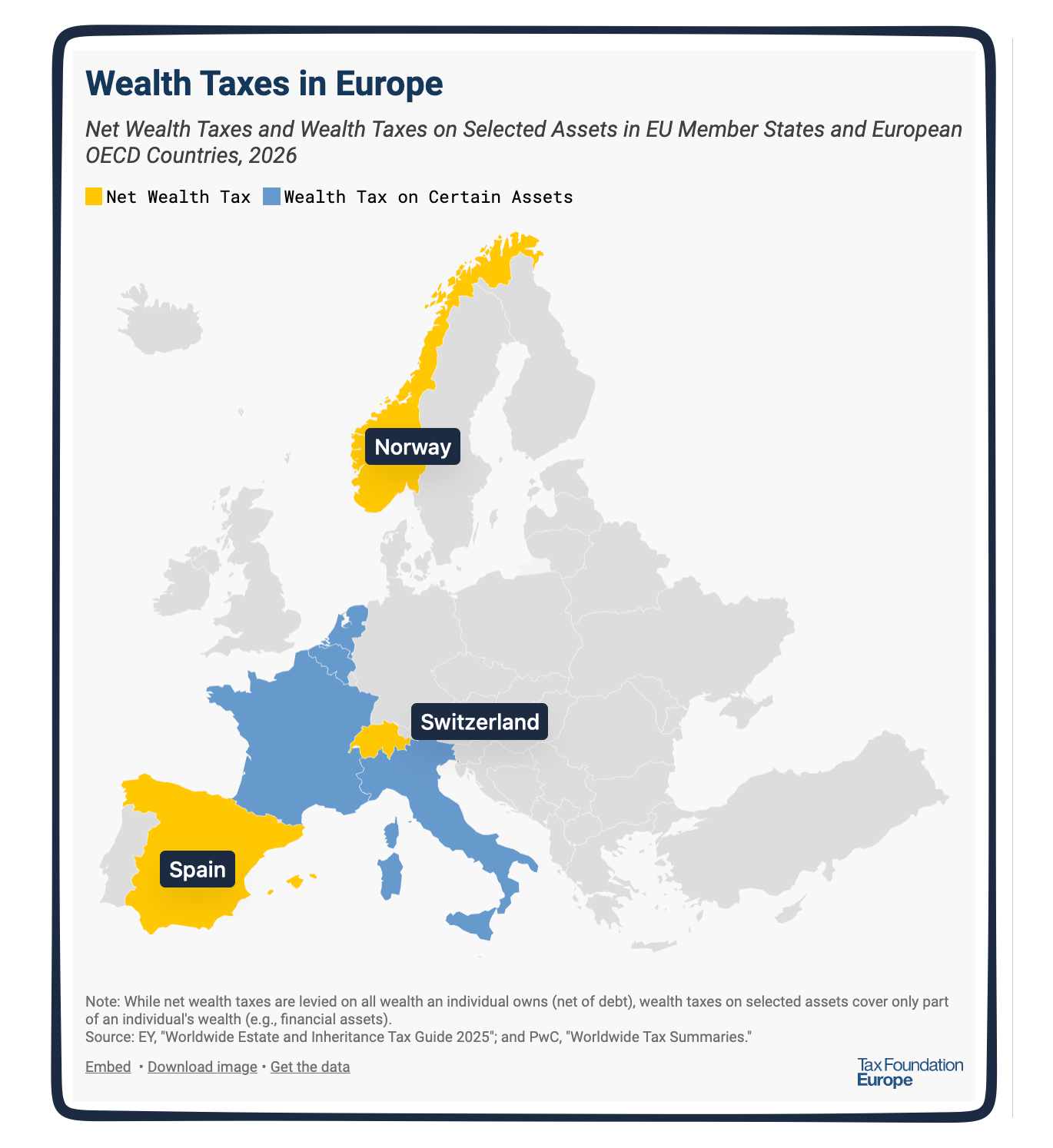
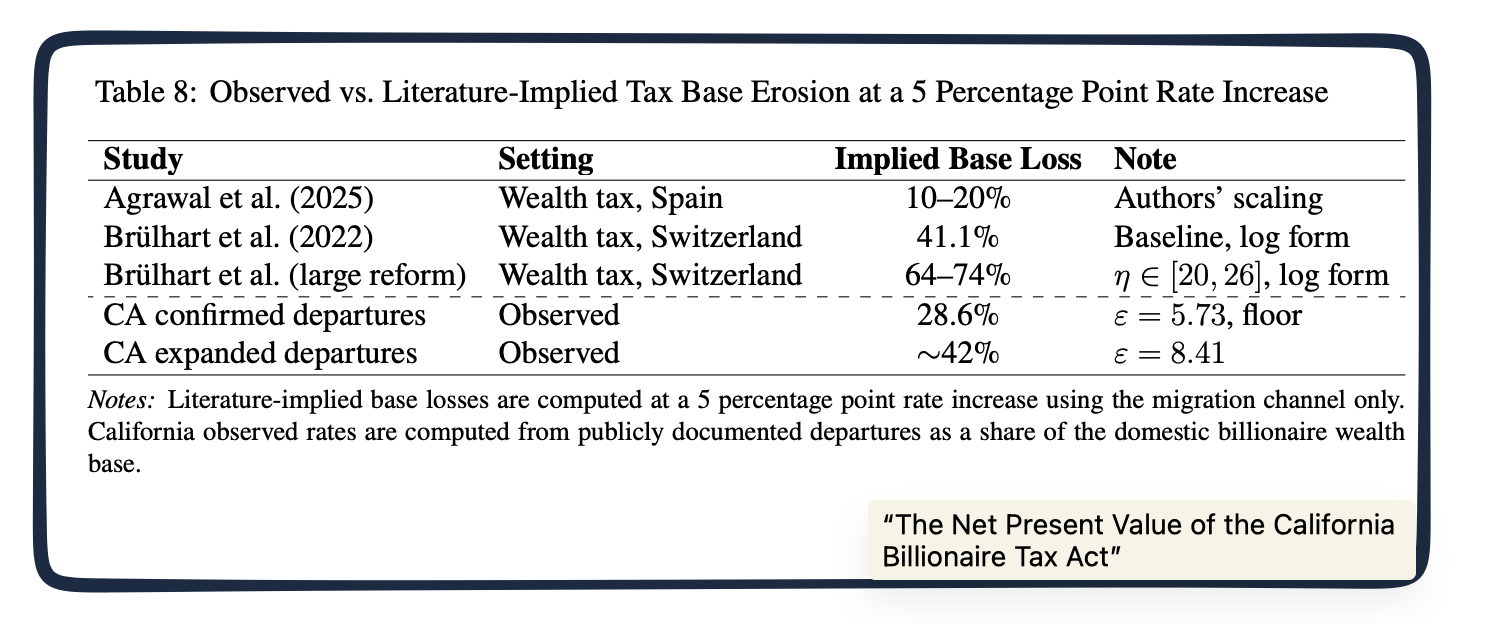
Not entirely successful in Europe, the wealth tax could impact California similarly:
California’s Wealth Tax
Targeting a small slice of the top 1%, California’s wealth tax is a “one-time 5 percent tax on the worldwide net worth of individuals exceeding $1 billion. On Election Day (or whenever we vote), through Proposition 40, voters will decide yes or no. In a recent NBER paper, two Hoover Institution (to the right of center) scholars estimate the behavioral and revenue impact of the Act in the present and the future.
Which cities will feel the crunch?
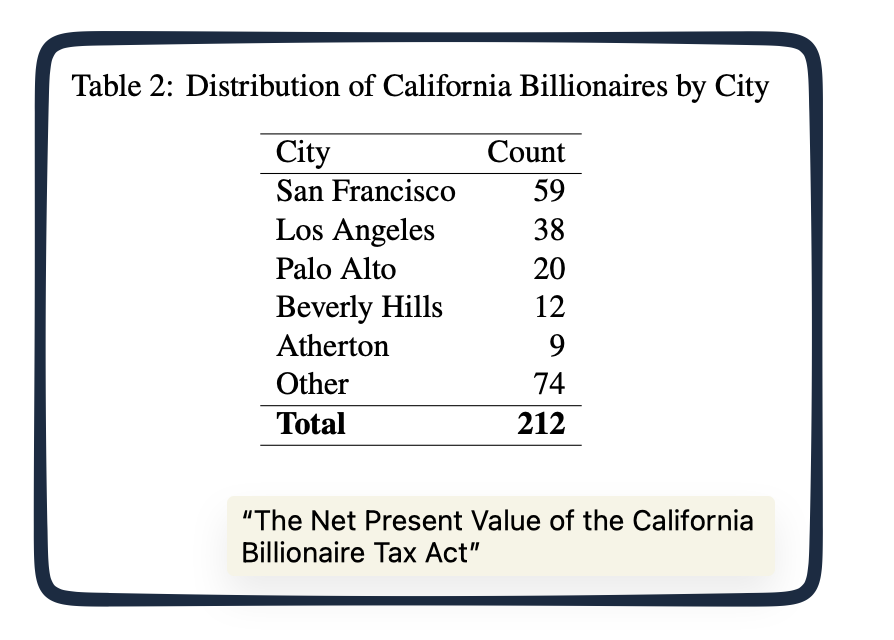
Through a present lens, we can see the incentives already created by a proposition that has not yet passed. Like Europe, billionaire departures could substantially reduce revenue. In addition, regular state tax collections from billionaires might slide from the $3.3 billion to $5.8 billion range.
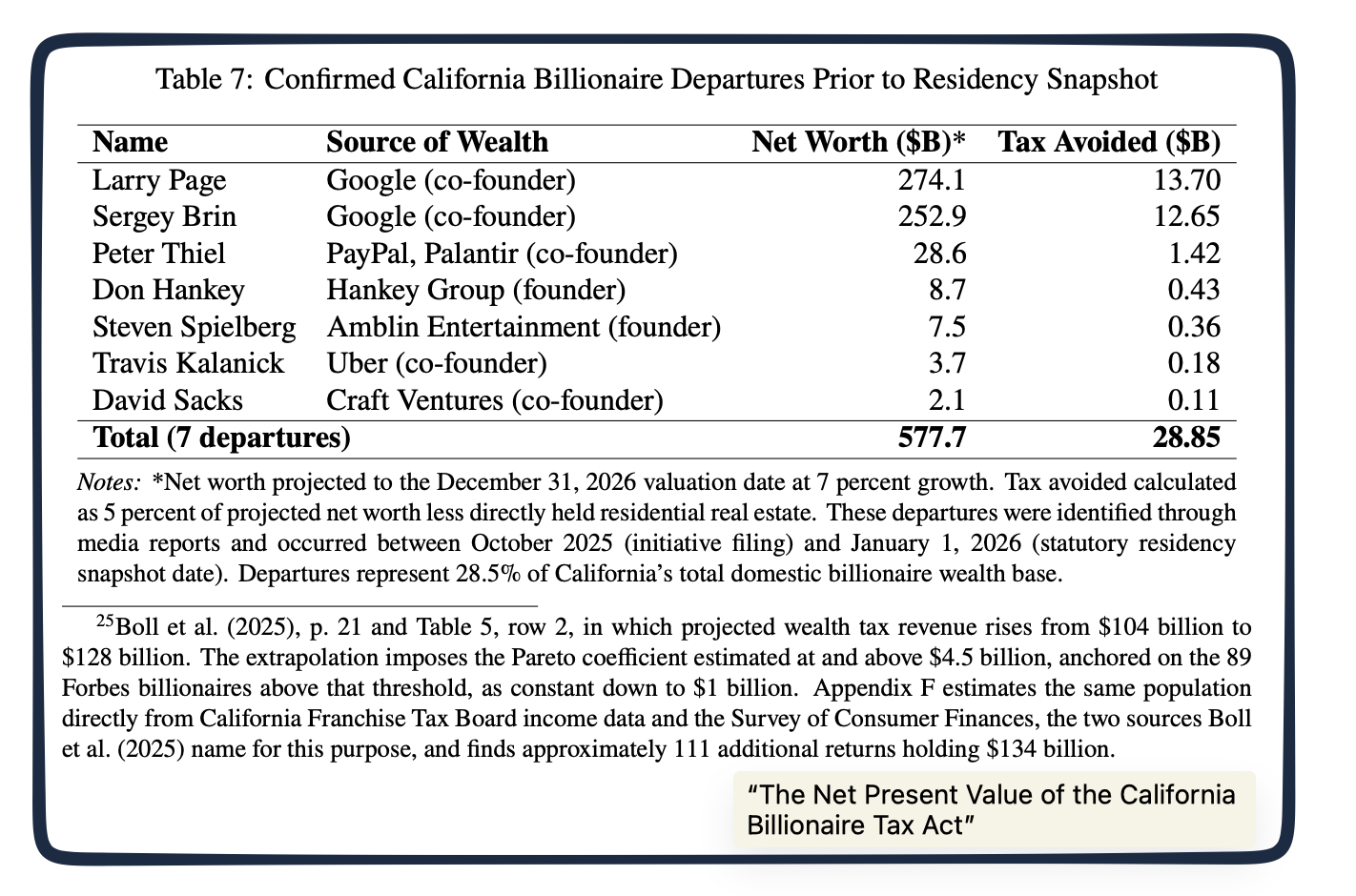
While the paper’s authors estimate that 205 billionaires are not leaving, they tell us that current departures could represent 28.5% of billionaires’ net worth:
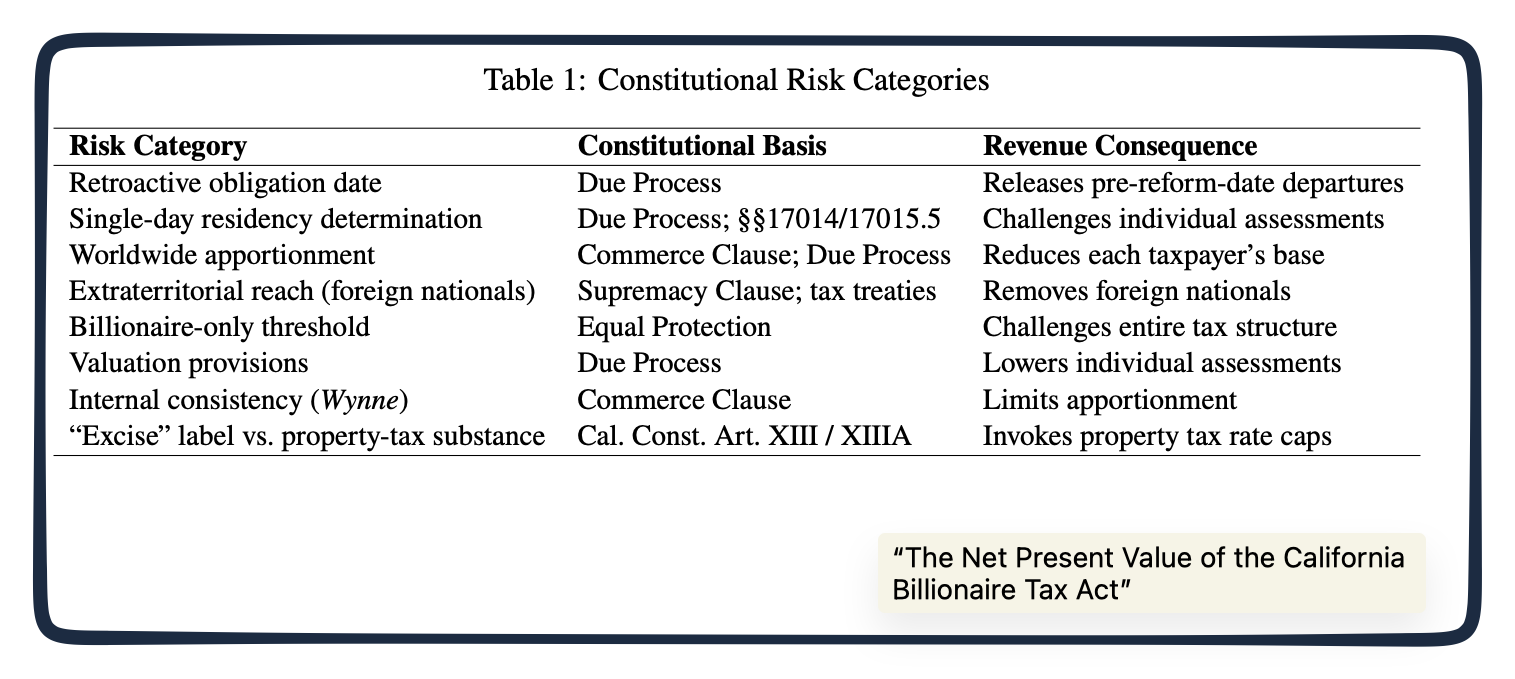
The paper also summarizes the Act’s constitutional challenges:
Our Bottom Line: The British Coastline
As always, a seemingly simple policy is much more complicated than it appears–like the British coastline:

Indeed, we know, depending on the incentives, the numbers will vary. But still, it helps to take a closer look at California’s Wealth Tax.
My sources and more: Updating our past wealth tax post, I wanted to include this NBER paper and more recent Tax Foundation data.
Please note that several of today’s sentences were in our past econlife post.